















SoleChem

1,4-Butanediol dimethacrylate

CAS
2082-81-7
EC
218-218-1
Mol. Weight
226.27 g/mol

Description

1,4-Butanediol dimethacrylate (CAS 2082-81-7), commonly abbreviated as BDDMA, is a bifunctional methacrylate monomer used as a crosslinking agent across polymer and coating systems.

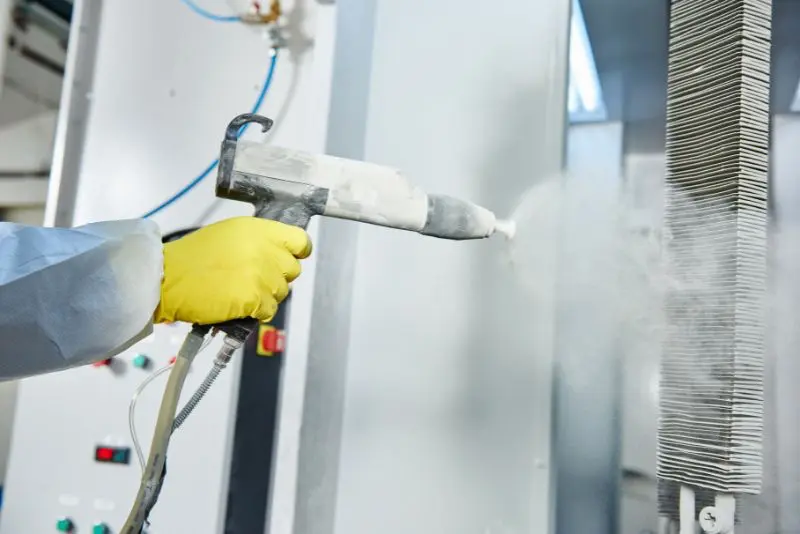
By linking polymer chains at two reactive sites, it controls network density, hardness, and solvent resistance in cured materials. In UV- and peroxide-cured coatings, it increases crosslink density.

This delivers harder, more chemically resistant films on wood, metal, and plastic substrates. Adhesive and sealant formulators incorporate it to tune cohesive strength and flexibility in structural systems.

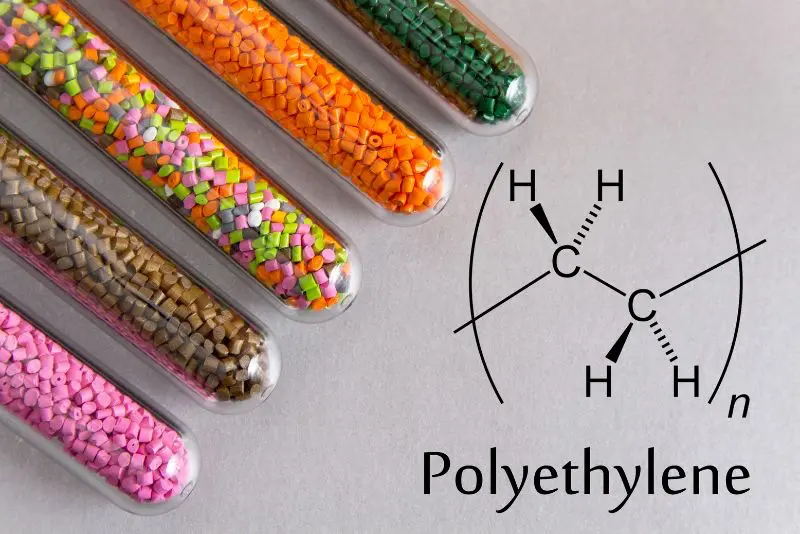
In plastics and polymer manufacturing, it acts as a crosslinker in suspension polymerization to produce beads and resins with controlled swelling behavior. This is a critical parameter for ion-exchange media.

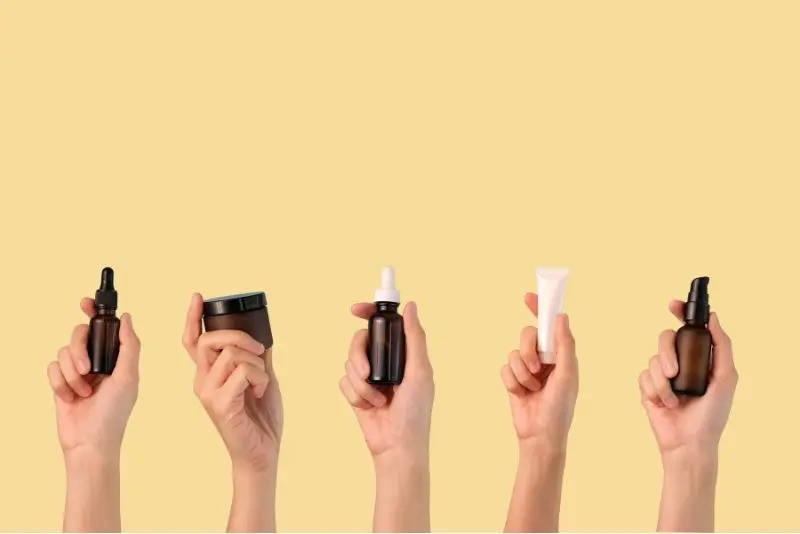
Personal care formulators use it to build film-forming polymer networks in nail gels and color cosmetics. Cure speed and film integrity are evaluated during qualification for these specific applications.

BDDMA is supplied as a clear liquid, typically with an inhibitor added to prevent premature polymerization during storage and transport. Standard commercial grades are available at purities of 97% and above.

Inhibitor type and concentration are specified on the product data sheet. Technical and specialty grades are offered to meet the requirements of coatings, adhesive, and personal care applications.

Contact us for supply of 1,4-Butanediol dimethacrylate

Request Quote

Physical Properties

Melting Point 226.28 °C
Boiling Point 110 °C @ Press: 3 Torr
Density 1.011 g/cm³ @ Temp: 25 °C
Flash Point 38 °F
Color Clear colorless to slightly yellow
Form Liquid
Water Solubility 243mg/L at 20℃
Vapor Pressure 430 mm Hg ( 25 °C)
Refractive Index n 20/D 1.456(lit.)
Log P 3.1 at 20℃

Safety & Handling (Learn More)

Warning GHS07 GHS08
Hazard Statements
H315 Causes skin irritation
H317 May cause an allergic skin reaction
H319 Causes serious eye irritation
H335 May cause respiratory irritation
H361 Suspected of damaging fertility or the unborn child
H401 Toxic to aquatic life
Precautionary Statements
P203 Obtain, consult and follow expert instructions for use.
P261 Avoid breathing dust/fume/gas/mist/vapours/spray.
P264 Wash … thoroughly after handling.
P271 Use only outdoors or in a well-ventilated area.
P272 Contaminated work clothing should not be allowed out of the workplace.
P273 Avoid release to the environment.
P280 Wear protective gloves/protective clothing/eye protection/face protection.
P318 IF exposed or concerned, get medical advice.
P319 Get medical advice/attention if you feel unwell.
P321 Specific treatment (see … on this label).
P405 Store locked up.
P501 Dispose of contents/container in accordance with local regulations.
P264+P265 Wash … thoroughly after handling.
P302+P352 IF ON SKIN: Wash with plenty of water.
P304+P340 IF INHALED: Remove person to fresh air and keep comfortable for breathing.
P332+P317 Get emergency medical help.
P333+P317 Get emergency medical help.
P337+P317 If eye irritation persists: Get medical advice/attention. Get emergency medical help.
P362+P364 Take off contaminated clothing and wash it before reuse.
P403+P233 Store in a well-ventilated place. Keep container tightly closed.
P305+P351+P338 IF IN EYES: Rinse cautiously with water for several minutes. Remove contact lenses, if present and easy to do. Continue rinsing.

Trade & Regulatory

HS Code 29161400
UN Number 2924
ADR Class 3
Packing Group II
Storage Class 10 - Combustible liquids
WGK (Germany) 2

Documentation

Other Names

4-(2-methylprop-2-enoyloxy)butyl 2-methylprop-2-enoate|Butanediol dimethacrylate|BDDMA

Related Products

Need a chemical? Get a quote within 24 hours.

Call Request Quote