















Ceresin
Description
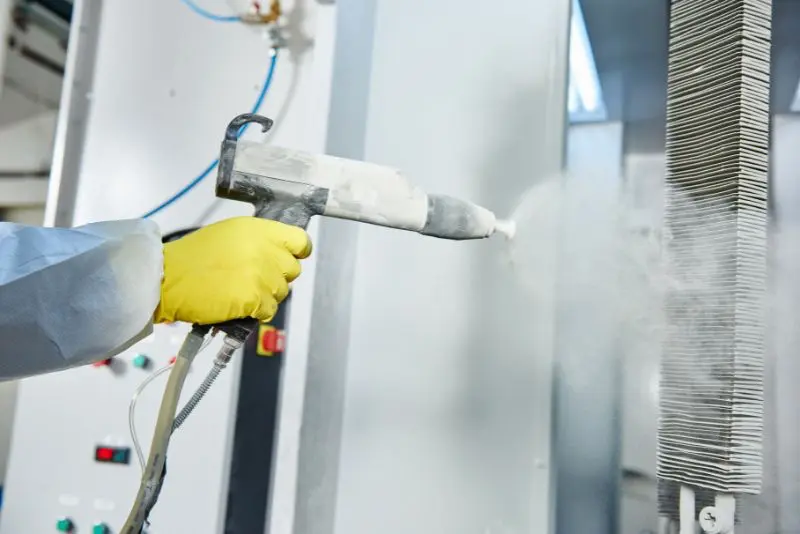
Ceresin (CAS 8001-75-0), also marketed as Ceresin Wax and Ceresine AMP 71, is a refined mineral wax derived from ozokerite, processed to remove impurities and standardize melting point. It functions as a rheology modifier and lubricant across coatings, adhesives, rubber, and metalworking applications. In coatings and sealants, ceresin controls viscosity and prevents sagging in high-solid formulations.
This material contributes to film consistency and surface hardness. Adhesive and hot-melt formulators use it to adjust tack, open time, and melt flow without compromising bond strength during application. In rubber compounding and tire manufacturing, it acts as a processing aid and bloom-resistant surface lubricant. This protects vulcanized compounds from ozone degradation and environmental stress cracking.
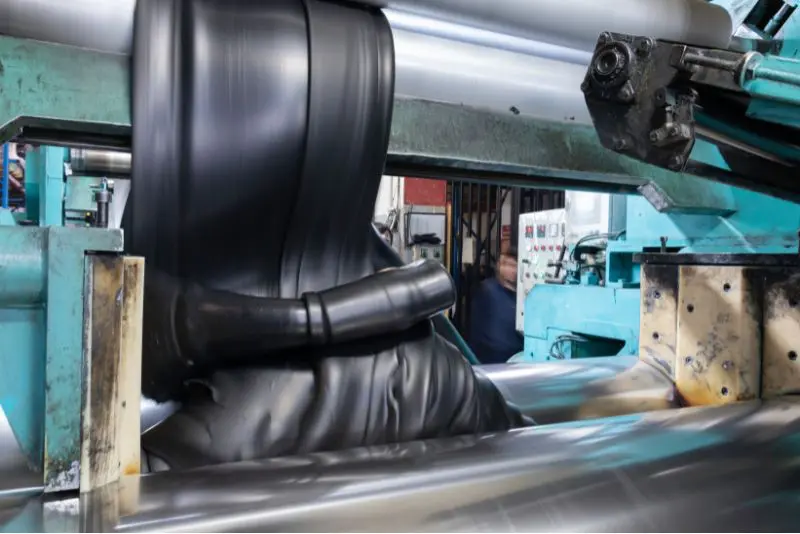
Metalworking operations incorporate ceresin into drawing compounds and protective wax coatings. These applications require controlled film thickness and high thermal stability for optimal performance. Ceresin is supplied as solid slabs, pastilles, or blocks, with color ranging from white to pale yellow depending on refinement level. Technical and cosmetic grades are available for various industries.
These grades are differentiated by purity, color, and melting point range, typically between 61°C and 78°C. Buyers should confirm melting point specification and oil content when sourcing for precision work.
Other Names (Synonyms)
ceresin wax|Ceresine AMP 71|Waxes and Waxy substances, hydrocarbon|M 67
Key Technical Features
- High Purity Grade standard
- Consistent Batch Quality
- Full Regulatory & REACH Support
- Global Logistics Network enabled