
















Paraffin wax
Description
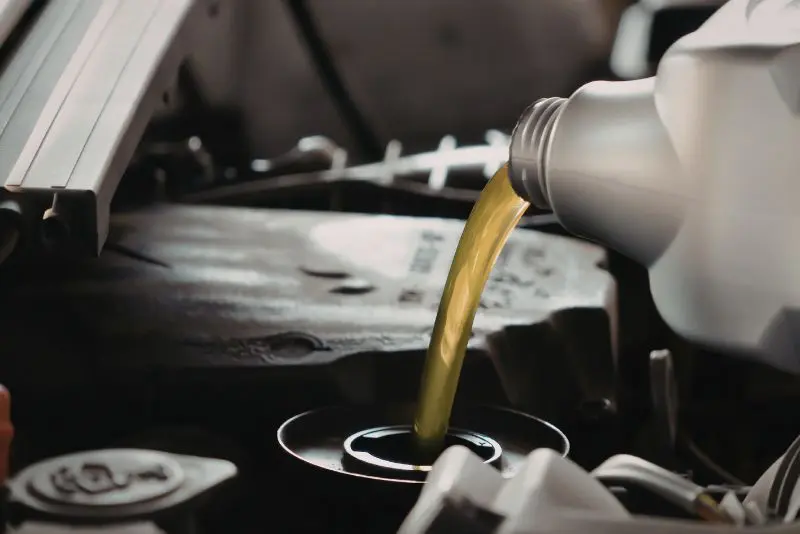
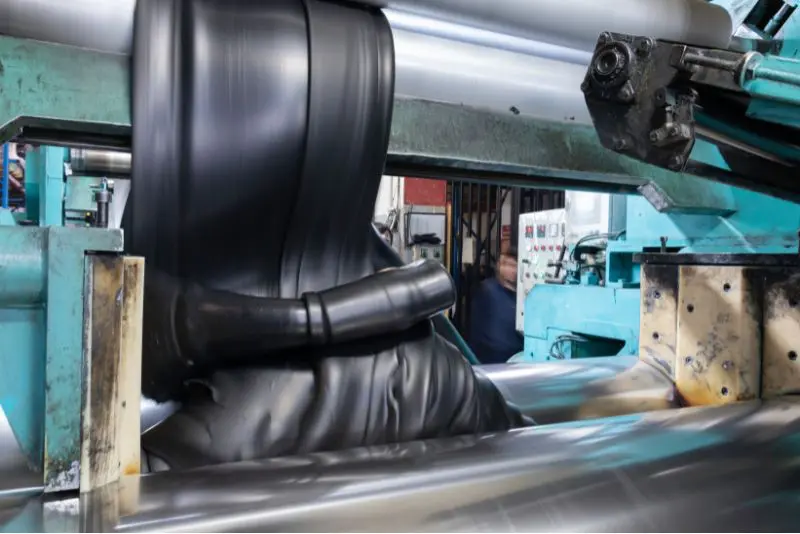
Paraffin wax (CAS 8002-74-2), also sold as petroleum wax and approved as E905c(ii) in food-contact and coating applications, is a refined hydrocarbon wax derived from petroleum distillation. It functions as a lubricant, release agent, and rheology modifier across a broad range of industrial manufacturing processes. In rubber and tire compounding, it acts as a surface bloom agent and processing lubricant.
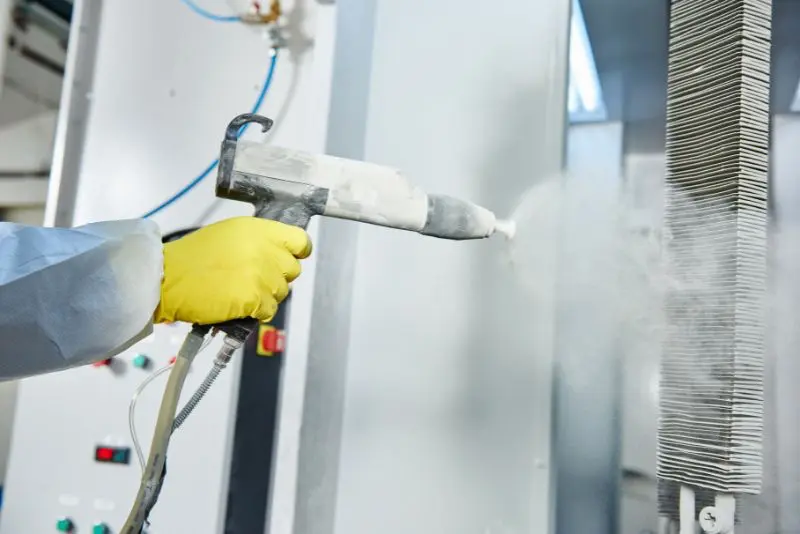
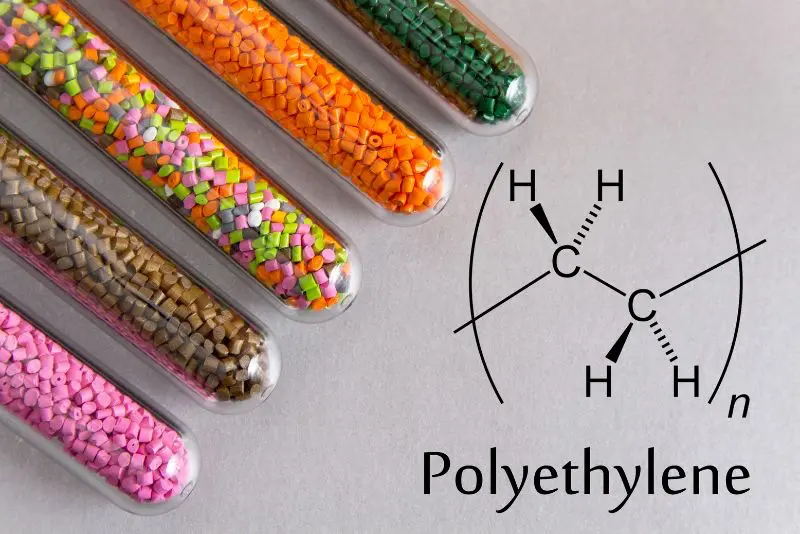
This material reduces friction during mixing and extrusion. Coatings and sealant formulators incorporate it to control viscosity, improve slip resistance, and enhance surface hardness in finished films. Printing inks and packaging coatings rely on it to adjust rub resistance and gloss levels on paper and board substrates. In plastics processing, it functions as an external lubricant and mold release agent.
The wax prevents adhesion during extrusion and injection molding. Paraffin wax is supplied as solid slabs, pellets, pastilles, or flakes, with melt point ranges typically spanning 46–70°C to suit requirements. Standard grades include fully refined and semi-refined technical grades, with food-contact compliant material available to FCC and EU specifications. Fully refined grades with low oil content are common.
Other Names (Synonyms)
petroleum wax|E905c(ii)|paraffin|Hydrocarbon waxes|Paraffin waxes and Hydrocarbon waxes|Paraffin wax and other hydrocarbon waxes|Paraflint RG|Advawax 165
Key Technical Features
- High Purity Grade standard
- Consistent Batch Quality
- Full Regulatory & REACH Support
- Global Logistics Network enabled