













Polyethylene glycol monooleate
Description
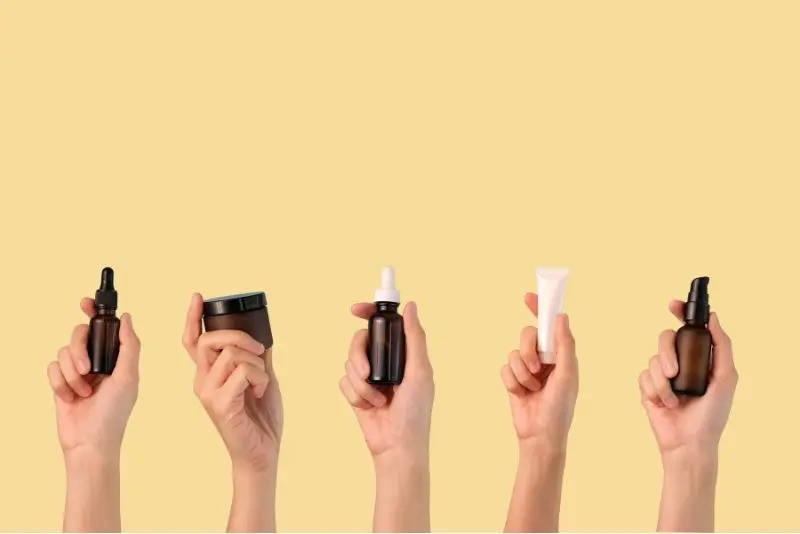
Polyethylene glycol monooleate (CAS 9004-96-0), commonly referenced as PEG monooleate, is a nonionic ester produced from oleic acid and polyethylene glycol. It functions as an emulsifier, lubricant, and dispersing agent across a broad range of industrial and personal care applications. Glycol oleate is a recognized alternative name used in certain formulation and textile contexts. In personal care and cosmetics, PEG monooleate acts as an emulsifier and solubilizer in creams, lotions, and cleansing formulations.
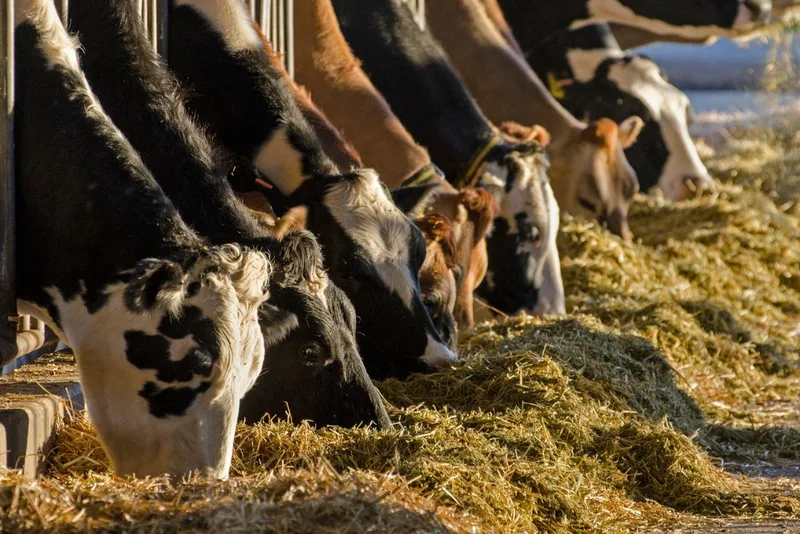
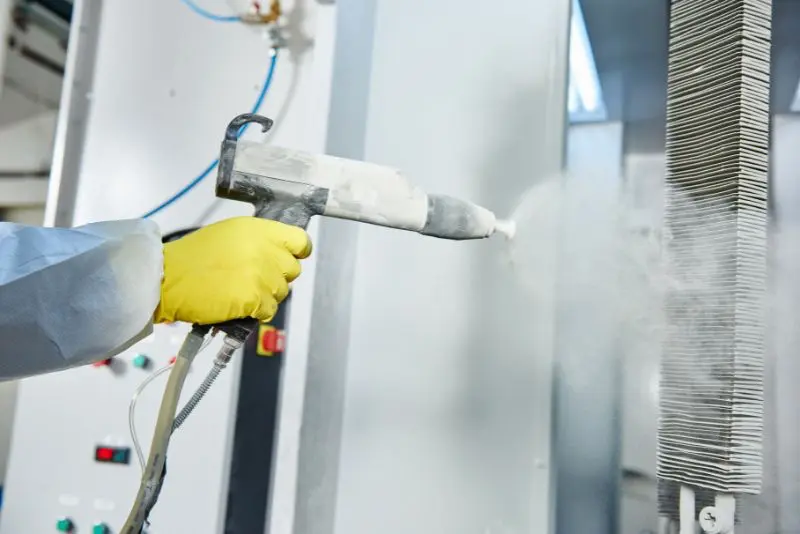
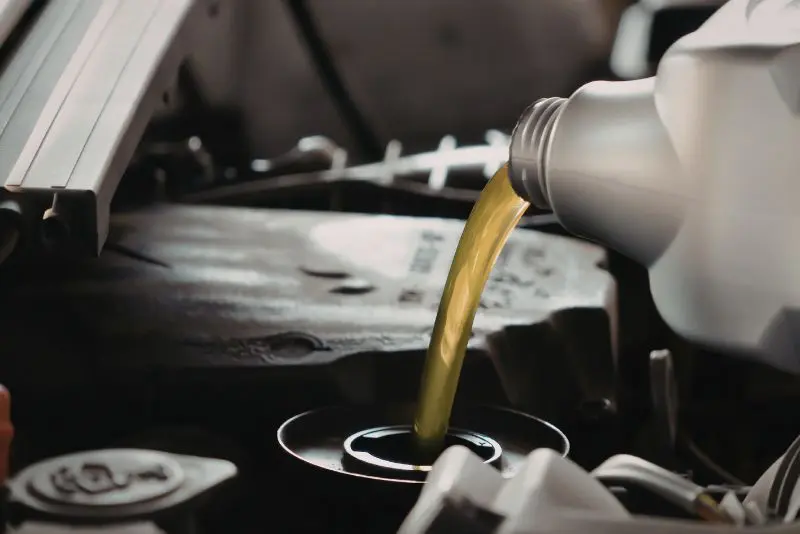
This chemical helps to stabilize oil-in-water systems effectively. Textile and leather processors use it as a fiber lubricant and softening agent, reducing friction during spinning, weaving, and finishing operations. In metalworking fluids, it contributes lubricity and emulsification performance in cutting and rolling oil formulations. Food-grade variants are evaluated for use as emulsifiers and carriers in food processing applications.
These applications are common where nonionic surfactant functionality is required. Polyethylene glycol monooleate is supplied as a liquid or paste, depending on the molecular weight of the PEG chain used in production. It is available across a range of PEG grades, commonly PEG-200, PEG-400, and PEG-600 variants, with the HLB value shifting accordingly. Technical and industrial grades are standard for most manufacturing needs.
Food-grade and cosmetic-grade specifications are available from select manufacturers. These products meet rigorous industry requirements for purity and performance in sensitive consumer applications and specialized industrial processes.
Other Names (Synonyms)
Glycol oleate|2-hydroxyethyl (Z)-octadec-9-enoate|PEG oleate|PEG monooleate
Key Technical Features
- High Purity Grade standard
- Consistent Batch Quality
- Full Regulatory & REACH Support
- Global Logistics Network enabled