








Silver nitrate
Description
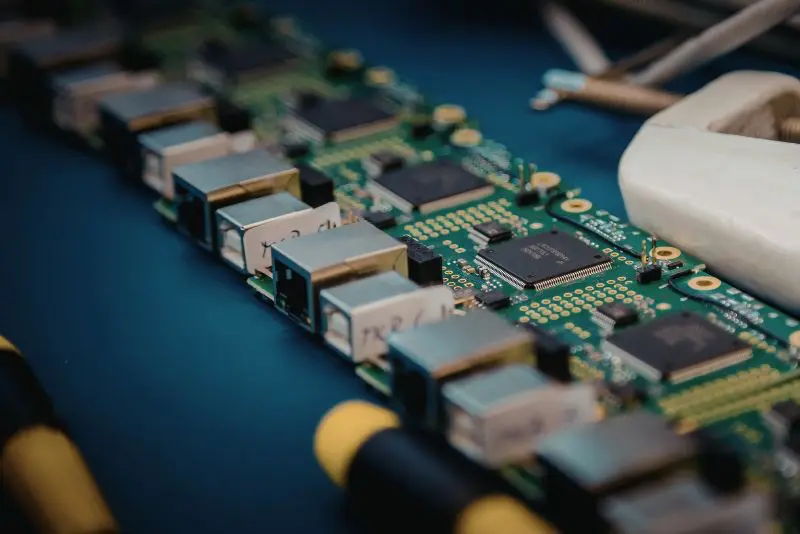
Silver nitrate (CAS 7761-88-8), historically known as Lapis infernalis, is an inorganic silver salt produced by dissolving silver in nitric acid. It functions as a primary source of ionic silver across industrial, analytical, and biomedical processes. Its ability to precipitate halides and deliver controlled antimicrobial action drives demand across various sectors. In electronics and printed circuit board manufacturing, it serves as a precursor for conductive silver coatings and mirror deposition processes.
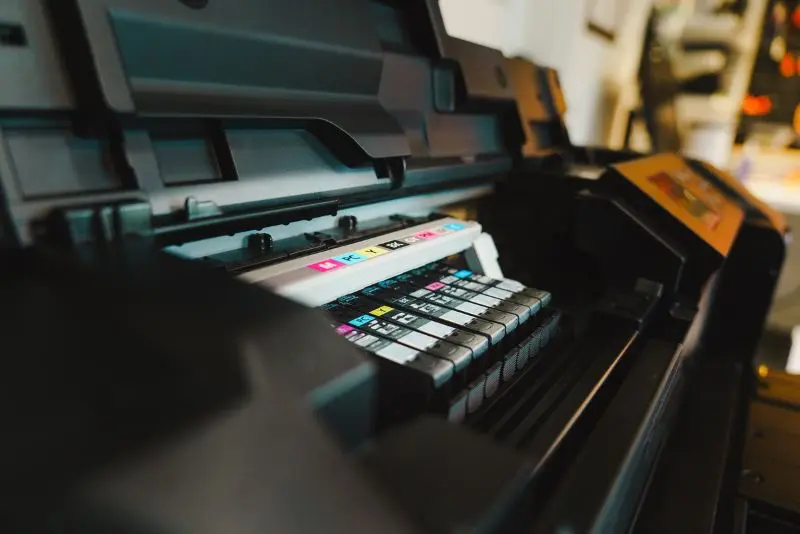
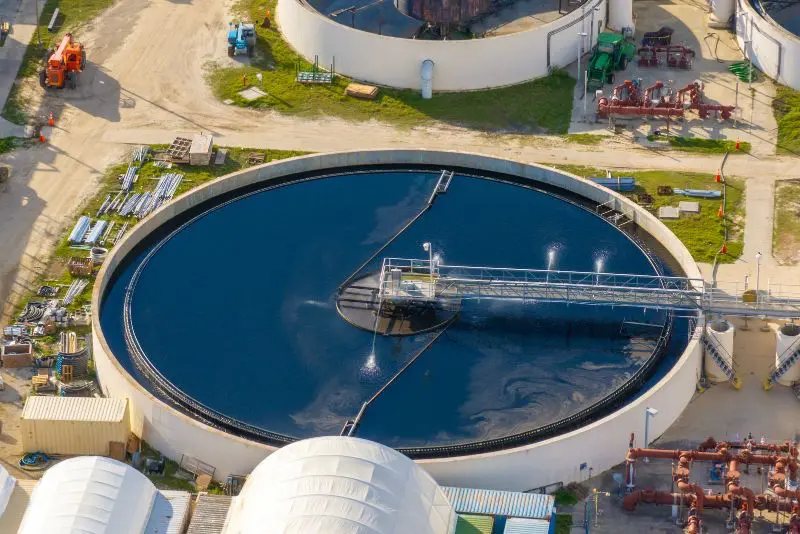
Water treatment operations use it to test for chloride contamination and to calibrate analytical methods for halide detection. Pharmaceutical and healthcare manufacturers incorporate it into topical preparations and medical device coatings. These applications are critical where surface antimicrobial performance is required. In printing and photographic chemistry, it remains a key reagent for silver-based imaging systems and specialty ink formulations.
The chemical is supplied as a colorless crystalline solid or as an aqueous solution at various concentrations. Standard grades include USP, BP, and Ph. Eur. for pharmaceutical procurement and compliance. Technical and reagent grades are also available for industrial and laboratory buyers. Packaging is typically in amber glass or light-protected containers to prevent photodegradation during storage and transit.
Other Names (Synonyms)
silver(I) nitrate|nitric acid silver(I) salt|Lapis infernalis|Argentous nitrate|AgNO3|Argenti nitras|Lunar caustic|Nitrate d'argent
Key Technical Features
- High Purity Grade standard
- Consistent Batch Quality
- Full Regulatory & REACH Support
- Global Logistics Network enabled