











Diphenylmethane diisocyanate
Description
Diphenylmethane diisocyanate (CAS 101-68-8), commonly known as MDI, is a core isocyanate monomer used to produce polyurethane polymers across rigid, flexible, and elastomeric applications. It reacts with polyols to build polymer chains, enabling manufacturers to engineer foam density, hardness, and durability to precise specifications for various industrial uses.
In building and construction, MDI is the primary reactant in rigid polyurethane and polyisocyanurate insulation panels, where it delivers high thermal resistance in thin cross-sections. Automotive manufacturers rely on MDI-based systems for structural foam components, seating, headliners, and interior trim parts requiring consistent load-bearing performance and safety.
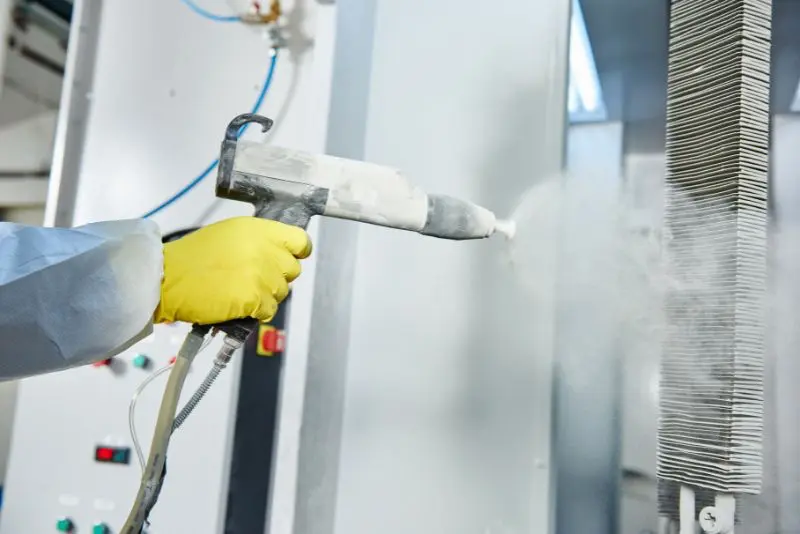
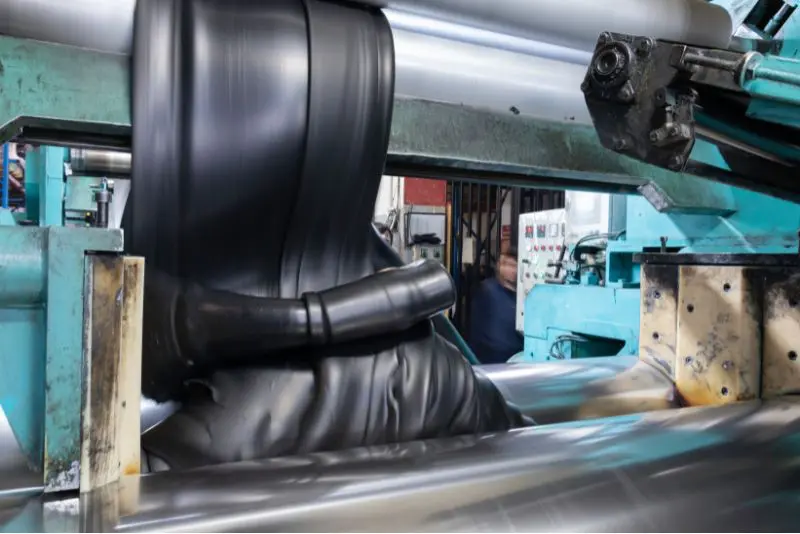
In adhesives and sealants, MDI functions as a crosslinker that bonds dissimilar substrates including wood, metal, and composites under demanding mechanical and environmental conditions. Coatings and elastomer formulators use MDI to produce abrasion-resistant surfaces for industrial flooring, rollers, and protective linings that must withstand heavy daily wear.
MDI is supplied as a liquid in several commercially distinct forms: pure 4,4'-MDI, polymeric MDI (pMDI), and modified MDI variants including prepolymers and carbodiimide-modified grades. Polymeric MDI is the dominant commercial form for foam applications, while pure MDI grades serve elastomer formulators requiring tighter isomer control for high-end manufacturing.
Other Names (Synonyms)
4,4'-methylenediphenyldiisocyanate|Methylene diphenyl diisocyanate (mdi)|1-isocyanato-4-[(4-isocyanatophenyl)methyl]benzene|Methylene diphenyl diisocyanate|MDI
Key Technical Features
- High Purity Grade standard
- Consistent Batch Quality
- Full Regulatory & REACH Support
- Global Logistics Network enabled