














Chlorinated paraffin
Description
Chlorinated paraffin (CAS 106232-86-4), also marketed as CPW and classified under Alkanes, C22-40, chloro, is a high-carbon-chain chlorinated wax used across industrial manufacturing. It serves as a plasticizer, flame retardant, and lubricant additive. Its long-chain structure positions it specifically in applications demanding thermal stability and low volatility for various processes.
In PVC compounding, it functions as a secondary plasticizer and flame retardant, reducing formulation cost while meeting fire performance requirements in cables, flooring, and wall coverings. Metalworking fluid formulators incorporate it as an extreme-pressure additive in cutting and forming lubricants, where it improves tool life during heavy-duty machining operations for the user.
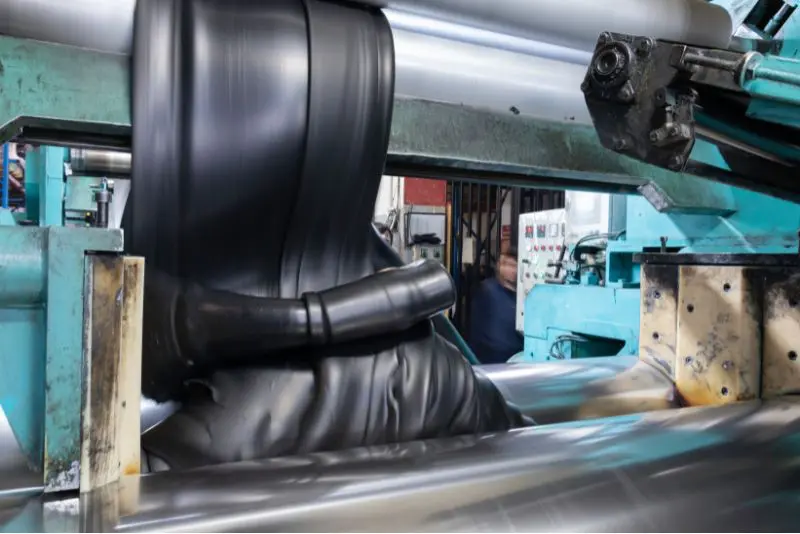
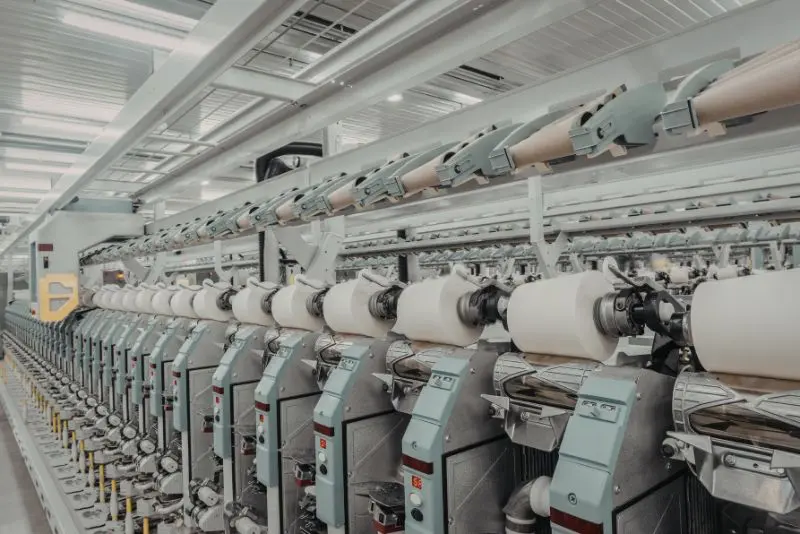
Rubber and sealant manufacturers use it to improve flexibility and fire resistance in gaskets, roofing membranes, and construction sealants. It is a versatile component for many industrial needs. In textile and leather finishing, it is applied as a flame-retardant treatment for industrial fabrics and upholstery materials. This ensures safety standards are met in commercial environments.
Chlorinated paraffin is supplied as a viscous liquid or waxy solid, depending on chlorine content and chain length. Technical-grade material is the standard commercial form for most buyers. Chlorine content is typically specified by buyers as part of product selection. Drum and IBC packaging are the common supply formats for industrial volumes in the global chemical market.
Other Names (Synonyms)
Alkanes, C22-40, chloro|Chlorinated Paraffins|CPW|Chlorinated Paraffin Wax
Key Technical Features
- High Purity Grade standard
- Consistent Batch Quality
- Full Regulatory & REACH Support
- Global Logistics Network enabled