











Phenylpropyl alcohol
Description
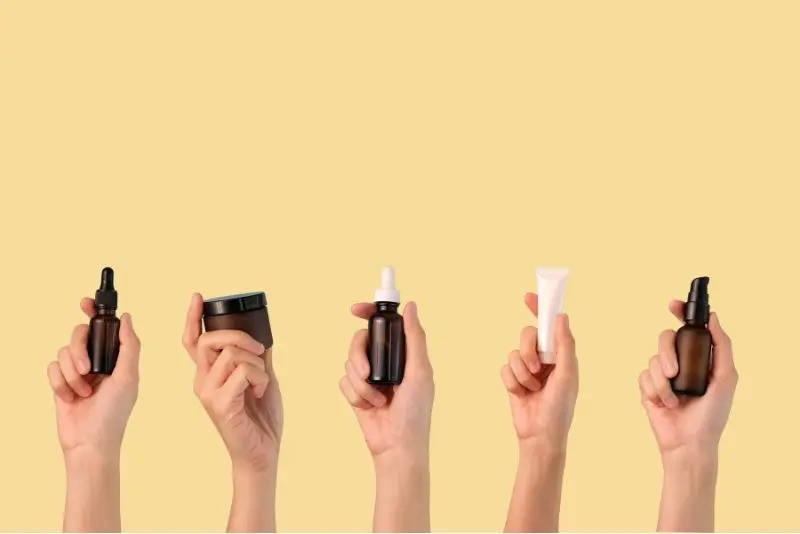
Phenylpropyl alcohol (CAS 1335-12-2), also known as benzenepropanol, is a fragrance and flavoring ingredient used across cosmetics, food, and pharmaceutical manufacturing. It delivers a mild, rose-like character that supports finished product formulation rather than acting as a standalone active. In personal care, it functions as a fragrance component and solvent in perfumes, lotions, and hair care products where a soft floral note is required. Food manufacturers incorporate it as a flavoring agent in baked goods, beverages, and confectionery.
This ingredient adds a subtle rose or hyacinth-type character within permitted usage levels for various food applications. Pharmaceutical formulators use it as a solvent and carrier in topical preparations, where its solvency profile supports active ingredient delivery. It also serves as an intermediate in the synthesis of fragrance compounds and pharmaceutical actives. This makes it a primary procurement target for chemical manufacturers building more complex molecules for industrial use.
Phenylpropyl alcohol is supplied as a clear liquid, typically in drums or intermediate bulk containers suited to fragrance and pharmaceutical supply chains. Food-grade and fragrance-grade specifications are the most commonly traded materials. Material is often assessed against FCC or relevant industry purity standards to ensure consistency. Technical-grade material is available for synthesis and industrial applications where cosmetic or food compliance is not required.
Other Names (Synonyms)
Benzenepropanol|Phenyl-1-propanol|3-phenylpropan-1-ol|Phenylpropanol
Key Technical Features
- High Purity Grade standard
- Consistent Batch Quality
- Full Regulatory & REACH Support
- Global Logistics Network enabled