

















Stannous oxide
Description
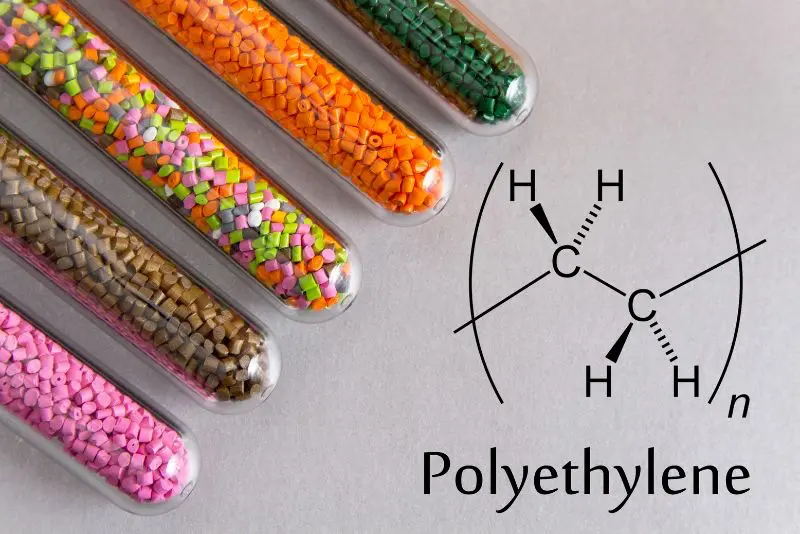
Stannous oxide (CAS 21651-19-4), also identified commercially as SnO, is an inorganic tin compound used primarily as a catalyst and catalyst precursor in polymer manufacturing. It initiates and controls polymerization reactions. This compound serves as a functional input for producers of specialty plastics and polymer systems. In plastics and polymer processing, SnO acts as a catalyst precursor for the production of polyurethanes and polyesters.
Controlled tin activity influences molecular weight and reaction rate during synthesis. It is used in the synthesis of organotin compounds, which serve as downstream catalysts and stabilizers in PVC and other polymer formulations. Manufacturers of tin-based catalyst systems source this material as a starting material for producing dibutyltin and other organometallic derivatives. Its role in polymerization initiation is critical for specialty resin producers.
The material is supplied as a dark powder, typically in technical grade suitable for industrial catalyst and chemical synthesis applications. Purity specifications commonly range from 97% to 99%+ for industrial use. Material is characterized by tin content as the primary quality parameter for manufacturing. Packaging is available in drums and bulk quantities to meet the volume requirements of chemical manufacturers and polymer producers.
Other Names (Synonyms)
Tin(II) oxide|Tin oxide (SnO)|Tin monoxide|Tin oxide (Sn2O2)|TIN PROTOXIDE|RefChem:1100132|Tin(2+) oxide|Tin Oxide|SnO
Key Technical Features
- High Purity Grade standard
- Consistent Batch Quality
- Full Regulatory & REACH Support
- Global Logistics Network enabled