


















Tin Oxide
Description
Tin Oxide (CAS 18282-10-5), also known as Stannic oxide, is an inorganic compound used industrially as a catalyst, conductive coating material, and functional ceramic additive. It is a core material in electronics manufacturing and surface treatment processes where controlled electrical conductivity or catalytic activity is required for high-performance industrial applications.
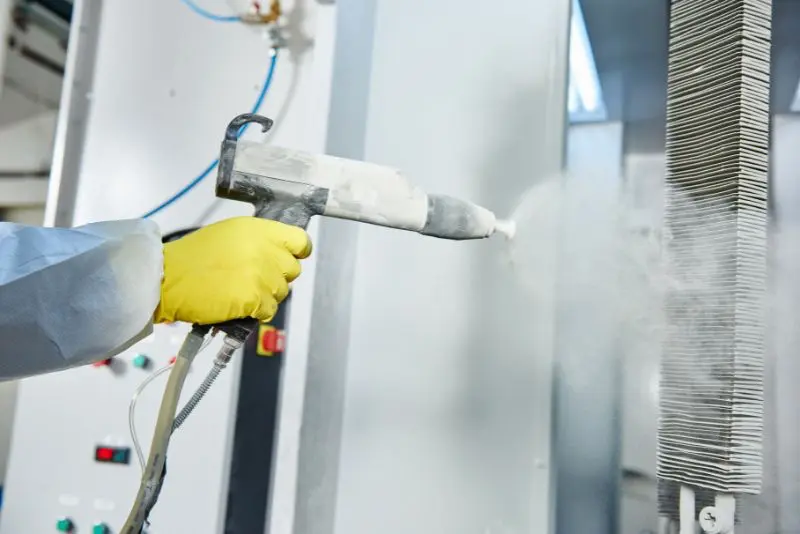
In electronics, it is used to produce transparent conductive coatings on glass and display substrates, enabling touch screens, solar panels, and low-emissivity window films for modern buildings. As a catalyst or catalyst precursor, it supports oxidation reactions in industrial gas sensing and exhaust treatment systems. It plays a vital role in environmental monitoring and emission control.
In home care and industrial cleaning formulations, it functions as a mild abrasive and polishing agent in metal and glass finishing compounds. It provides a smooth surface finish without damage. Ceramic and glass manufacturers incorporate it to achieve opacity, surface hardness, and specific refractive properties in glazes and specialty optical glass. It is essential for high-quality ceramics.
This material is supplied as a fine white powder in varying particle size distributions suited to coating, ceramic, or catalytic applications. Standard grades include technical and high-purity specifications. Electronic and catalyst grades are available for more demanding processing requirements. Packaging typically ranges from kilogram-scale bags to bulk quantities depending on the specific application volume.
Other Names (Synonyms)
Tin(iv) oxide|Tin oxide (SnO2)|Stannic oxide|Bis(oxygen(2-));tin(4+)
Key Technical Features
- High Purity Grade standard
- Consistent Batch Quality
- Full Regulatory & REACH Support
- Global Logistics Network enabled