
















SoleChem

Cadmium oxide

CAS
1306-19-0
EC
215-146-2
Mol. Weight
128.41 g/mol

Description

Cadmium oxide (CAS 1306-19-0), also known as cadmium monoxide, is an inorganic compound used primarily as a precursor and catalyst in industrial chemical synthesis and electrochemical processes.

It serves as a source material for producing other cadmium compounds and functional coatings where controlled electrical or catalytic properties are required for specific manufacturing applications.

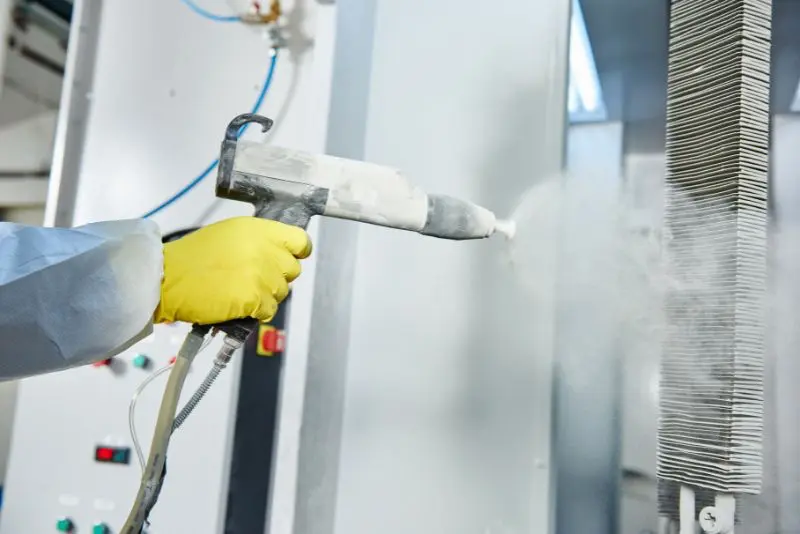
In electronics manufacturing, it is used to produce electroplating baths and conductive thin-film coatings applied to contacts and semiconductors. The compound acts as a catalyst precursor in select organic synthesis processes.

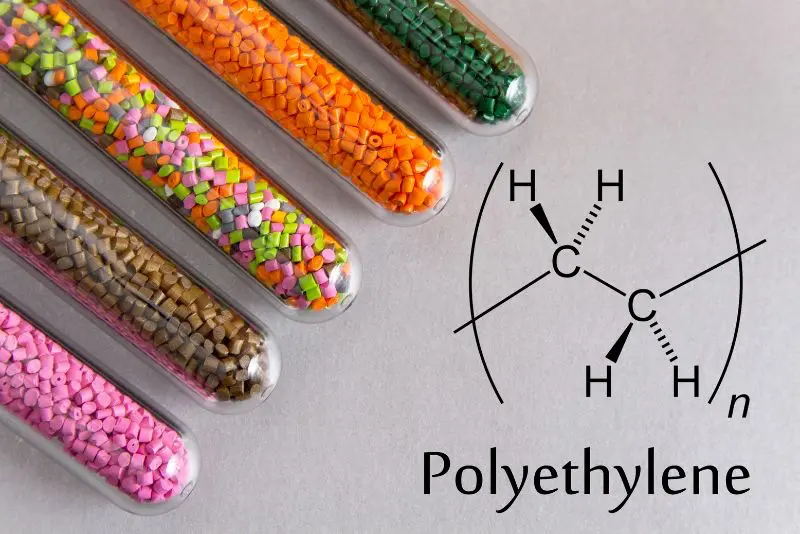
This includes the production of certain polymers and specialty chemicals. In the plastics and polymers sector, it has been used as a stabilizer component and pigment precursor for high-temperature processing.

Pulp and paper operations have historically employed cadmium compounds in specific process chemistry, though regulatory pressure has significantly narrowed this use in recent years across the global market.

The material is supplied as a brown-to-black powder in technical and high-purity grades. Purity levels typically range from 99% to 99.999% (5N), with higher-purity material directed toward electronics.

Packaging is available in small laboratory quantities through to bulk industrial quantities. All shipments are subject to applicable hazardous materials handling requirements and safety protocols.

Contact us for supply of Cadmium oxide

Request Quote

Physical Properties

Melting Point 900-1000 °C
Boiling Point 1385 °C
Density 8.15 g/cm³
Appearance Cadmium oxide forms brownish-red crystals or a yellow to dark brown amorphous powder.
Color brown
Odor Odorless
Form powder
Water Solubility insoluble. <0.1 g/100 mL at 20 ºC
pH 9-10 (H2O)(aqueous suspension)

Safety & Handling (Learn More)

Danger GHS06 GHS08 GHS09 GHS05 GHS07
Hazard Statements
H301 Toxic if swallowed
H315 Causes skin irritation
H318 Causes serious eye damage
H319 Causes serious eye irritation
H330 Fatal if inhaled
H341 Suspected of causing genetic defects
H350 May cause cancer
H361 Suspected of damaging fertility or the unborn child
H370 Causes damage to organs
H372 Causes damage to organs through prolonged or repeated exposure
H400 Very toxic to aquatic life
H410 Very toxic to aquatic life with long lasting effects
Precautionary Statements
P203 Obtain, consult and follow expert instructions for use.
P260 Do not breathe dust/fume/gas/mist/vapours/spray.
P264 Wash … thoroughly after handling.
P270 Do not eat, drink or smoke when using this product.
P271 Use only outdoors or in a well-ventilated area.
P273 Avoid release to the environment.
P280 Wear protective gloves/protective clothing/eye protection/face protection.
P284 In case of inadequate ventilation wear respiratory protection.
P316 Get emergency medical help immediately.
P317 Get emergency medical help.
P318 IF exposed or concerned, get medical advice.
P319 Get medical advice/attention if you feel unwell.
P320 Specific treatment is urgent (see … on this label).
P321 Specific treatment (see … on this label).
P330 Rinse mouth.
P391 Collect spillage.
P405 Store locked up.
P501 Dispose of contents/container in accordance with local regulations.
P264+P265 Wash … thoroughly after handling.
P301+P316 Get emergency medical help immediately.
P302+P352 IF ON SKIN: Wash with plenty of water.
P304+P340 IF INHALED: Remove person to fresh air and keep comfortable for breathing.
P308+P316 Get emergency medical help immediately.
P332+P317 Get emergency medical help.
P337+P317 If eye irritation persists: Get medical advice/attention. Get emergency medical help.
P362+P364 Take off contaminated clothing and wash it before reuse.
P403+P233 Store in a well-ventilated place. Keep container tightly closed.
P305+P351+P338 IF IN EYES: Rinse cautiously with water for several minutes. Remove contact lenses, if present and easy to do. Continue rinsing.
P305+P354+P338 IF IN EYES: Rinse cautiously with water for several minutes. Remove contact lenses, if present and easy to do. Continue rinsing.

Trade & Regulatory

HS Code 2825 90 60
UN Number 2570
ADR Class 6.1
Packing Group III
Storage Class 6.1A - Combustible acute toxic Cat. 1 and 2 very toxic hazardous materials
WGK (Germany) 2

Documentation

Other Names

Cadmium(II) oxide|cadmium monoxide|cadmium fume|Cadmium oxide (CdO)|0H3KWS8KJ3|RefChem:573249|CADMIUM FUME (AS Cd)

Related Products

Need a chemical? Get a quote within 24 hours.

Call Request Quote