














SoleChem

Sodium thioglycolate

CAS
367-51-1
EC
206-696-4
Mol. Weight
114.10 g/mol

Description

Sodium thioglycolate (CAS 367-51-1), commonly abbreviated as NATG, is the sodium salt form of thioglycolic acid used across personal care, textile, and industrial processing markets.

It functions primarily as a reducing agent and depilatory active, breaking disulfide bonds in keratin-containing substrates to enable chemical modification of hair and wool fibers.

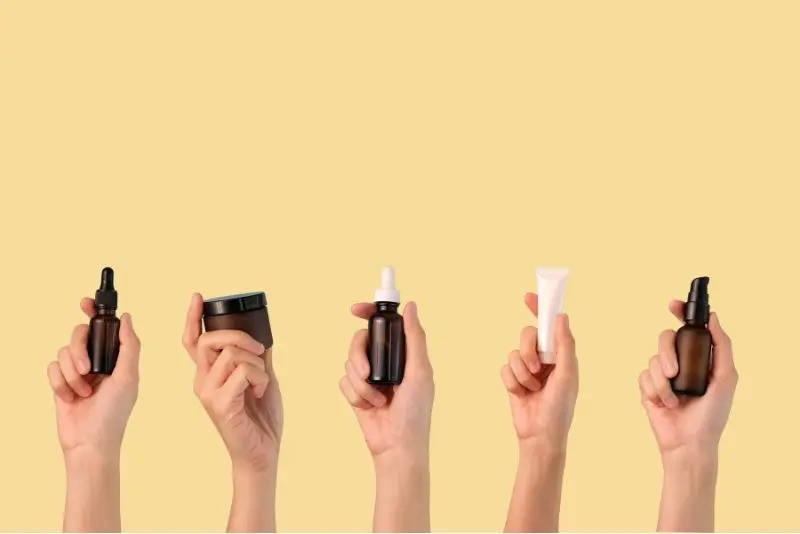
In personal care manufacturing, NATG is the active ingredient in chemical depilatory creams and cold wave permanent solutions, where it disrupts the protein structure of hair.

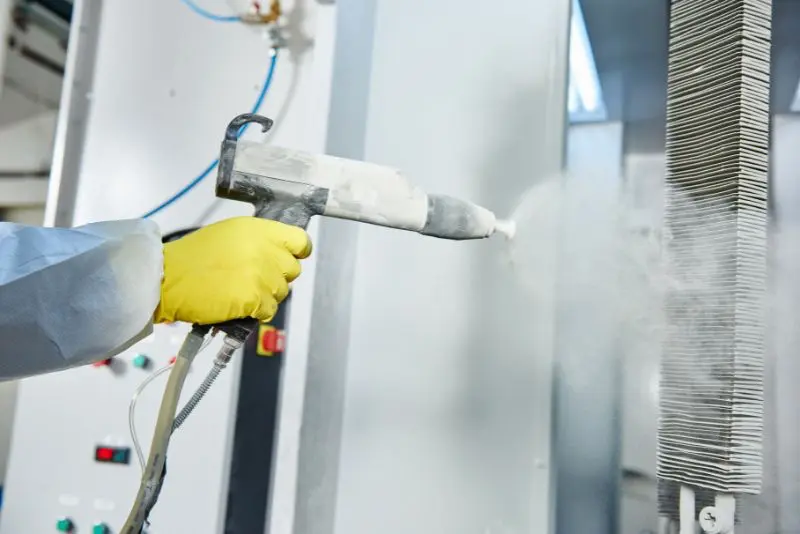
Leather processors use it during the unhairing stage to remove hair from hides without mechanical damage, improving throughput and hide quality for various industrial applications.

Textile producers apply it in wool treatment processes to reduce fiber stiffness and improve dye uptake. In analytical and industrial chemistry, it acts as a stabilizing agent.

It also serves as a metal chelator in formulations requiring control of oxidative degradation. Sodium thioglycolate is supplied as an aqueous solution with concentrations from 40% to 58%.

Technical and cosmetic grades are the most commercially available, with cosmetic-grade material subject to purity thresholds aligned with regional regulatory requirements.

Bulk liquid supply in drums or IBCs is standard for industrial buyers. This ensures efficient handling and storage for large-scale manufacturing and chemical processing facilities.

Contact us for supply of Sodium thioglycolate

Request Quote

Physical Properties

Melting Point >300 °C (lit.)
Appearance White solid
Color White powder
Odor Stench odour
Form solid
Water Solubility soluble
Vapor Pressure <0.1 hPa (25 °C)
pH 6.7 (100g/l, H2O, 20℃)
Log P -2.99 at 20℃

Safety & Handling (Learn More)

Danger GHS05 GHS06 GHS07 GHS08 GHS09
Hazard Statements
H290 May be corrosive to metals
H301 Toxic if swallowed
H302 Harmful if swallowed
H311 Toxic in contact with skin
H312 Harmful in contact with skin
H314 Causes severe skin burns and eye damage
H315 Causes skin irritation
H317 May cause an allergic skin reaction
H319 Causes serious eye irritation
H330 Fatal if inhaled
H331 Toxic if inhaled
H335 May cause respiratory irritation
H373 May causes damage to organs through prolonged or repeated exposure
H410 Very toxic to aquatic life with long lasting effects
H412 Harmful to aquatic life with long lasting effects
Precautionary Statements
P203 Obtain, consult and follow expert instructions for use.
P234 Keep only in original packaging.
P260 Do not breathe dust/fume/gas/mist/vapours/spray.
P261 Avoid breathing dust/fume/gas/mist/vapours/spray.
P262 Do not get in eyes, on skin, or on clothing.
P264 Wash … thoroughly after handling.
P270 Do not eat, drink or smoke when using this product.
P271 Use only outdoors or in a well-ventilated area.
P272 Contaminated work clothing should not be allowed out of the workplace.
P273 Avoid release to the environment.
P280 Wear protective gloves/protective clothing/eye protection/face protection.
P284 In case of inadequate ventilation wear respiratory protection.
P316 Get emergency medical help immediately.
P317 Get emergency medical help.
P318 IF exposed or concerned, get medical advice.
P319 Get medical advice/attention if you feel unwell.
P320 Specific treatment is urgent (see … on this label).
P321 Specific treatment (see … on this label).
P330 Rinse mouth.
P363 Wash contaminated clothing before reuse.
P390 Absorb spillage to prevent material damage.
P391 Collect spillage.
P405 Store locked up.
P406 Store in a corrosion-resistant/… container with a resistant inner liner.
P501 Dispose of contents/container in accordance with local regulations.
P264+P265 Wash … thoroughly after handling.
P301+P316 Get emergency medical help immediately.
P301+P317 Get emergency medical help.
P302+P352 IF ON SKIN: Wash with plenty of water.
P304+P340 IF INHALED: Remove person to fresh air and keep comfortable for breathing.
P332+P317 Get emergency medical help.
P333+P317 Get emergency medical help.
P337+P317 If eye irritation persists: Get medical advice/attention. Get emergency medical help.
P361+P364 Take off immediately all contaminated clothing and wash it before reuse.
P362+P364 Take off contaminated clothing and wash it before reuse.
P403+P233 Store in a well-ventilated place. Keep container tightly closed.
P301+P330+P331 Rinse mouth. Do NOT induce vomiting.
P302+P361+P354 IF ON SKIN: Take off immediately all contaminated clothing. Rinse skin with water/shower.
P305+P351+P338 IF IN EYES: Rinse cautiously with water for several minutes. Remove contact lenses, if present and easy to do. Continue rinsing.
P305+P354+P338 IF IN EYES: Rinse cautiously with water for several minutes. Remove contact lenses, if present and easy to do. Continue rinsing.

Trade & Regulatory

HS Code 29309070
WGK (Germany) 1

Documentation

Other Names

Thioglycollic acid, sodium salt|Thioglycolate sodium|Sodium 2-sulfanylacetate|Sodium 2-mercatoethanoate|Mercaptoacetic acid, sodium salt|Sodium thioglycollate|Sodium mercaptoacetate|sodium sulfanylacetate|NATG

Related Products

Need a chemical? Get a quote within 24 hours.

Call Request Quote