
















Hydrogenated Rosin
Description
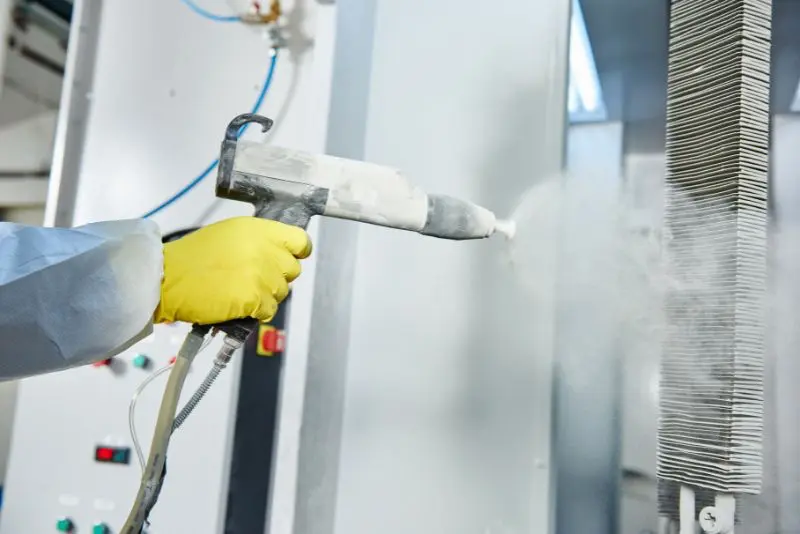
Hydrogenated Rosin (CAS 65997-06-0) is a chemically stabilized resin derived from pine-sourced gum or wood rosin through catalytic hydrogenation. This process significantly reduces the acid value variability and oxidative instability of natural rosin. The resulting resin offers consistent performance across demanding formulation environments. It functions primarily as a tackifier, plasticizer, and rheology modifier in adhesive, coating, and rubber compounding systems.
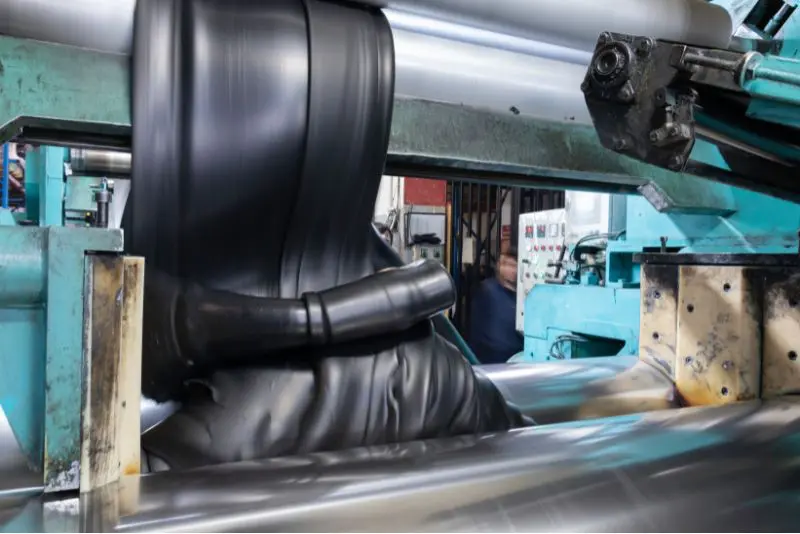
In pressure-sensitive and hot-melt adhesives, it improves tack and peel strength while offering better color stability and aging resistance than unmodified rosin grades. This makes it ideal for long-term applications. Rubber compounders incorporate it as a softener and processing aid in tire and mechanical goods manufacturing. Controlled viscosity and compatibility with elastomer matrices are critical factors in these industrial processes.
In printing inks and overprint varnishes, it contributes to film formation, gloss, and substrate adhesion across paper and packaging substrates. It ensures high-quality finishes and durable bonding for various media. Textile sizing and paper coating formulations also use it to modify surface properties and improve fiber or substrate bonding. Its versatility allows for precise adjustments in specialized manufacturing sectors.
The material is supplied as a pale yellow to water-white solid, typically in flake or block form. It is available in technical and food-contact grades, with specifications aligned to FCC and USP standards. Acid value and softening point are the primary grade-defining parameters buyers should confirm against application requirements. These technical specifications ensure the product meets the necessary performance criteria.
Other Names (Synonyms)
Foral ax e|Rosin, hydrogenated
Key Technical Features
- High Purity Grade standard
- Consistent Batch Quality
- Full Regulatory & REACH Support
- Global Logistics Network enabled