


















Chloropicrin
Description
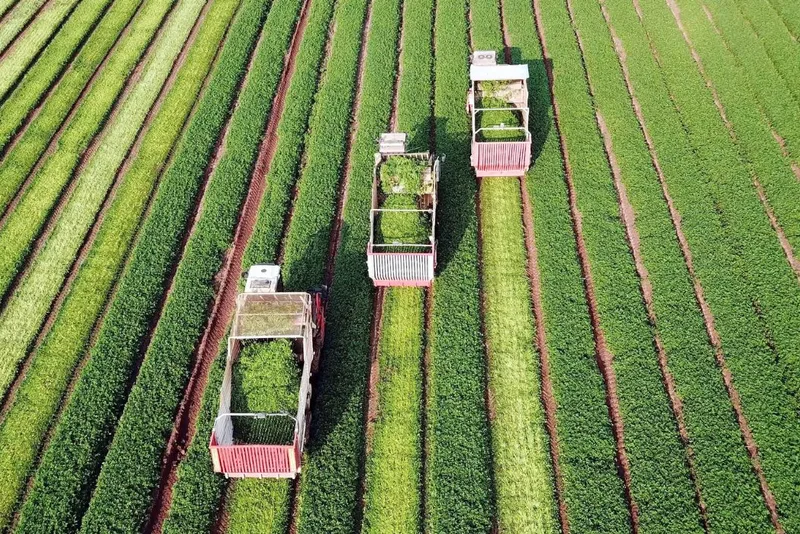
Chloropicrin (CAS 76-06-2), also known as trichloro(nitro)methane, is a halogenated fumigant used in agriculture to control soil-borne pathogens, nematodes, fungi, and weed seeds ahead of planting. Tri-clor 99.6 designates the high-purity commercial grade commonly specified in procurement and application contracts. Pre-plant soil fumigation is the primary use for this chemical agent.
The product is injected into the soil to eliminate fungal pathogens such as Fusarium and Verticillium that threaten high-value crops including strawberries, tomatoes, and peppers. It is frequently blended with methyl bromide alternatives or other fumigants to broaden the spectrum of control against nematodes and soil insects in commodity vegetable and fruit production.
In post-harvest and storage facility treatment, chloropicrin controls insects and mold in grain storage structures and processing equipment. Turf and ornamental growers also apply it for soil sterilization. This application is common in nursery beds and greenhouse substrates prior to transplanting. Chloropicrin is supplied as a liquid under pressure, typically in cylinders, drums, or bulk containers.
These containers are suited for field injection equipment. The Tri-clor 99.6 grade reflects a minimum 99.6% purity specification standard in commercial agricultural supply chains. Technical-grade material is the dominant form in the market, with purity and stabilizer content specified per regional regulatory requirements to ensure consistent performance in the field.
Other Names (Synonyms)
trichloro(nitro)methane|Tri-clor 99.6|Cl3CNO2|CCl3NO2|1,1,1-trichloronitromethane|Larvacide|Picfume|Methane, trichloronitro-
Key Technical Features
- High Purity Grade standard
- Consistent Batch Quality
- Full Regulatory & REACH Support
- Global Logistics Network enabled