
















Chloroacetic acid
Description
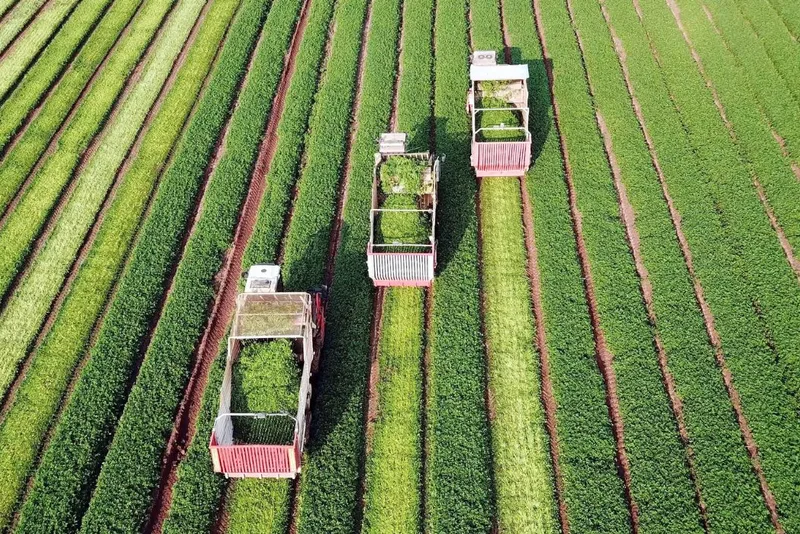
Chloroacetic acid (CAS 79-11-8), also sold as monochloroacetic acid (MCA), is a halogenated organic acid used as a high-reactivity chemical intermediate across agrochemical, pharmaceutical, and specialty chemical manufacturing. Its primary commercial role is as an alkylating and carboxymethylating agent in the synthesis of downstream derivatives. In agrochemicals, MCA is a critical building block for herbicide active ingredients including glyphosate and 2,4-D.
It is also essential for chloroacetamide-class compounds. Pharmaceutical manufacturers use it to produce carboxymethyl-substituted APIs and intermediates, including certain amino acid derivatives that require high precision during synthesis. In the textile and paper industries, it drives the production of carboxymethyl cellulose (CMC), a thickening and binding agent used in coatings, adhesives, and sizing formulations for various industrial applications.
It also serves as a precursor in the manufacture of surfactants, dyes, and thioglycolic acid used in leather processing. Chloroacetic acid is supplied as white to off-white crystalline flakes or as a molten liquid. Standard commercial grades include technical grade and pharmaceutical-grade material meeting USP or BP specifications. These standards ensure the material is suitable for sensitive chemical manufacturing processes.
Purity levels typically range from 98% to 99.5%+, with both monomer-grade and synthesis-grade options available. The choice of grade depends entirely on the specific requirements of the downstream application and final product.
Other Names (Synonyms)
monochloroethanoic acid|monochloroacetic acid|chloracetic acid|alpha-chloro-acetic acid|2-chloroethanoic acid|2-chloroacetic acid|CAA|Chloroethanoic acid
Key Technical Features
- High Purity Grade standard
- Consistent Batch Quality
- Full Regulatory & REACH Support
- Global Logistics Network enabled