











Chlorine dioxide

CAS Number
10049-04-4
EC Number
233-162-8
Chemical Formula
ClO2
Molecular Weight
67.45 g/mol

Description

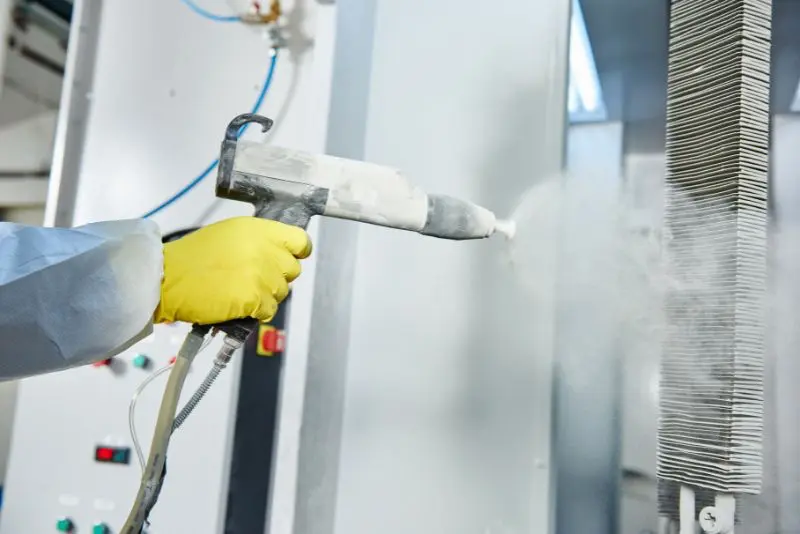
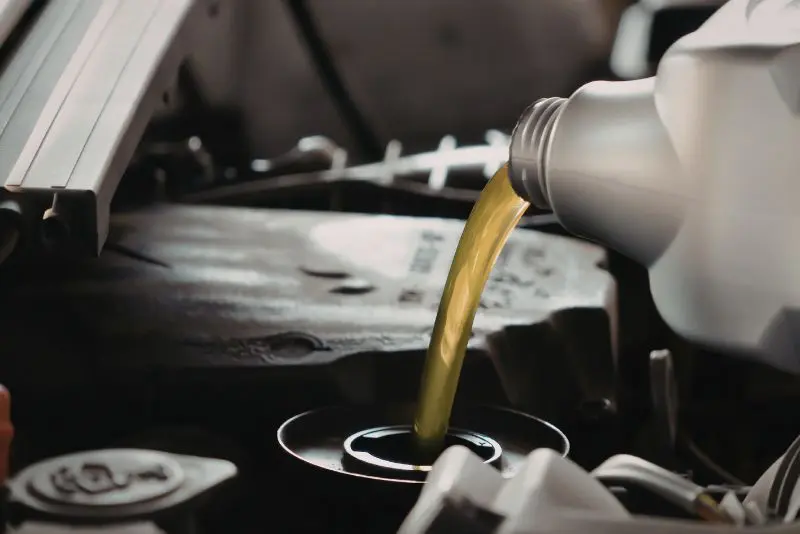
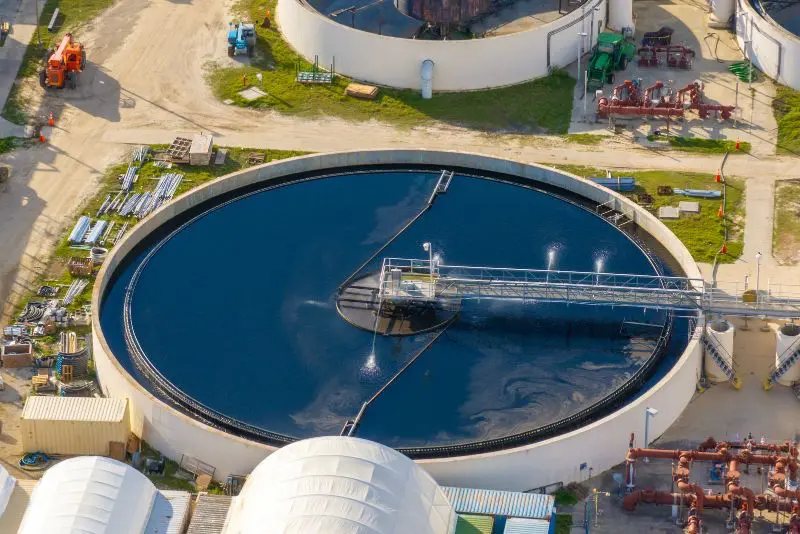
Chlorine dioxide (CAS 10049-04-4), also known commercially as Alcide, is a selective oxidizing biocide used across water treatment, food processing, and industrial sanitation. Unlike chlorine-based alternatives, it remains effective across a broad pH range. This stability makes it a preferred active in systems where consistent microbial control is critical. In municipal and industrial water treatment, it disinfects distribution systems and controls biofilm without generating trihalomethanes.

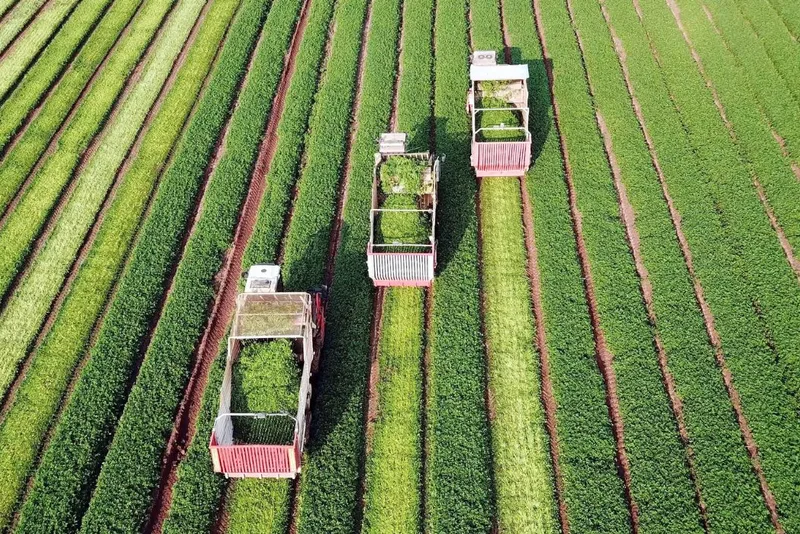
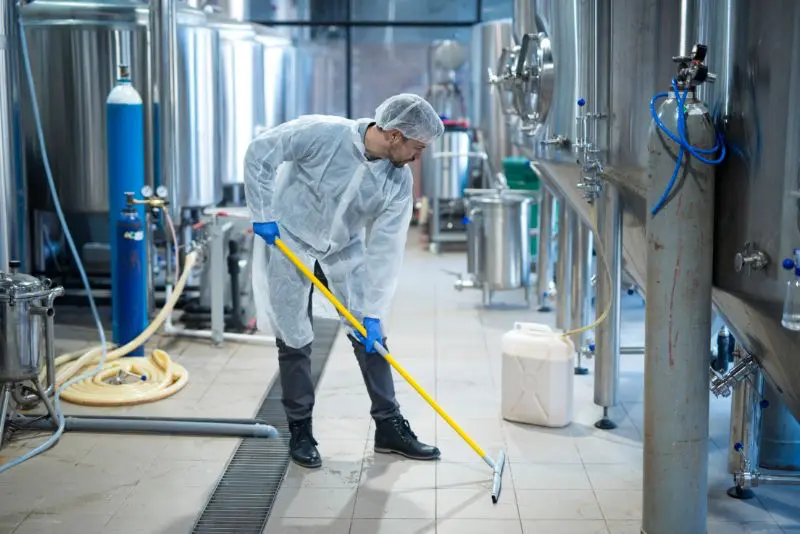
Food processing facilities use it to sanitize surfaces, equipment, and wash water for fresh produce, poultry, and seafood. Pulp and paper manufacturers apply it as a bleaching agent to brighten cellulose fibers effectively. This application minimizes fiber degradation compared to elemental chlorine. In pharmaceutical and healthcare environments, it functions as a sporicidal agent for cleanroom decontamination and hard surface disinfection.

Chlorine dioxide is supplied as an aqueous solution or generated on-site from precursor systems, as the pure gas is unstable for bulk transport. Stabilized solution concentrates are available for dilution prior to use. These concentrates are suitable for food-grade and industrial applications. Grades are available to meet food processing compliance requirements, with technical-grade solutions supplied for industrial water treatment and pulp bleaching.

Other Names (Synonyms)

chlorine(IV) oxide|ClO2(.)|Alcide|Chlorine oxide (ClO2)|Purite|Joyden|Joyden plus|Nobda disinfectant

Key Technical Features

  • High Purity Grade standard
  • Consistent Batch Quality
  • Full Regulatory & REACH Support
  • Global Logistics Network enabled

Contact us for supply of Chlorine dioxide

Request Quote

Physical Properties

Melting Point -59 °C
Boiling Point 11 °C
Density 1.6 g/cm³ @ Temp: 0 °C
Appearance Chlorine dioxide is a flammable, reddishyellow gas, or reddish-brown liquid (below 11C/52F) with an irritating odor like chlorine or nitric acid.
Color orange-green
Form orange-green gas
Water Solubility Soluble ºC
Vapor Pressure 0-22900Pa at 20-25℃
Log P -3.22--2.9 at 20℃

Safety & Handling (Learn More)

Danger
GHS03· Oxidizing GHS04· Compressed Gas GHS05· Corrosive GHS06· Toxic GHS09· Environmental Hazard GHS07· Irritant GHS08· Health Hazard

Hazard Statements

H270 May cause or intensify fire; oxidizer
H280 Contains gas under pressure; may explode if heated
H301 Toxic if swallowed
H314 Causes severe skin burns and eye damage
H315 Causes skin irritation
H318 Causes serious eye damage
H319 Causes serious eye irritation
H320 Causes eye irritation
H330 Fatal if inhaled
H332 Harmful if inhaled
H336 May cause drowsiness or dizziness
H341 Suspected of causing genetic defects
H360 May damage fertility or the unborn child
H362 May cause harm to breast-fed children
H370 Causes damage to organs
H372 Causes damage to organs through prolonged or repeated exposure
H400 Very toxic to aquatic life
H410 Very toxic to aquatic life with long lasting effects

Precautionary Statements

P203 Obtain, consult and follow expert instructions for use.
P220 Keep away from clothing and other combustible materials.
P244 Keep valves and fittings free from oil and grease.
P260 Do not breathe dust/fume/gas/mist/vapours/spray.
P261 Avoid breathing dust/fume/gas/mist/vapours/spray.
P263 Avoid contact during pregnancy and while nursing.
P264 Wash … thoroughly after handling.
P270 Do not eat, drink or smoke when using this product.
P271 Use only outdoors or in a well-ventilated area.
P273 Avoid release to the environment.
P280 Wear protective gloves/protective clothing/eye protection/face protection.
P284 In case of inadequate ventilation wear respiratory protection.
P316 Get emergency medical help immediately.
P317 Get emergency medical help.
P318 IF exposed or concerned, get medical advice.
P319 Get medical advice/attention if you feel unwell.
P320 Specific treatment is urgent (see … on this label).
P321 Specific treatment (see … on this label).
P330 Rinse mouth.
P363 Wash contaminated clothing before reuse.
P391 Collect spillage.
P403 Store in a well-ventilated place.
P405 Store locked up.
P501 Dispose of contents/container in accordance with local regulations.
P264+P265 Wash … thoroughly after handling.
P301+P316 Get emergency medical help immediately.
P302+P352 IF ON SKIN: Wash with plenty of water.
P304+P340 IF INHALED: Remove person to fresh air and keep comfortable for breathing.
P308+P316 Get emergency medical help immediately.
P332+P317 Get emergency medical help.
P337+P317 If eye irritation persists: Get medical advice/attention. Get emergency medical help.
P362+P364 Take off contaminated clothing and wash it before reuse.
P370+P376 In case of fire: Stop leak if safe to do so.
P403+P233 Store in a well-ventilated place. Keep container tightly closed.
P410+P403 Protect from sunlight. Store in a well-ventilated place.
P301+P330+P331 Rinse mouth. Do NOT induce vomiting.
P302+P361+P354 IF ON SKIN: Take off immediately all contaminated clothing. Rinse skin with water/shower.
P305+P351+P338 IF IN EYES: Rinse cautiously with water for several minutes. Remove contact lenses, if present and easy to do. Continue rinsing.
P305+P354+P338 IF IN EYES: Rinse cautiously with water for several minutes. Remove contact lenses, if present and easy to do. Continue rinsing.

Trade & Regulatory

UN Number 9191

Documentation

Call Request Quote