













12-hydroxystearic acid
Description
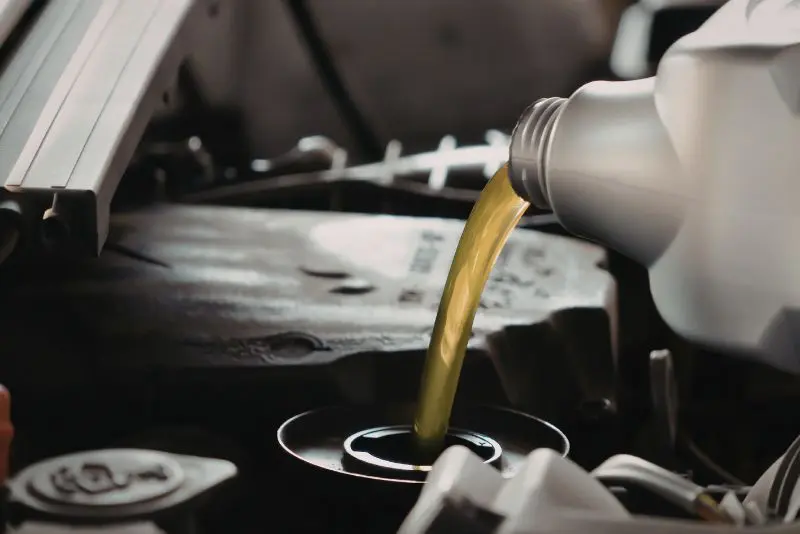
12-Hydroxystearic acid (CAS 106-14-9), commonly abbreviated as 12-HSA, is a hydroxy fatty acid derived from castor oil hydrogenation. It functions as a primary building block for rheology modifiers and lubricant thickeners. This versatile chemical serves as a critical component for emulsifiers across multiple industrial sectors. In lubricant manufacturing, it is the key precursor for lithium and calcium soap greases.
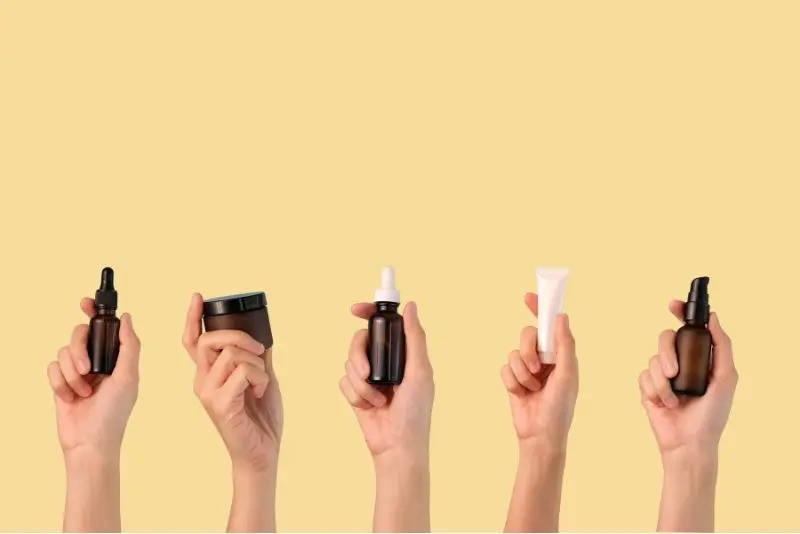
The material determines thickener structure and ultimately controls grease consistency and performance. Plastics processors use it as an internal and external lubricant in PVC and other polymer compounds. It reduces friction during extrusion and improves the surface finish of finished parts. Personal care formulators incorporate it into stick products, balms, and anhydrous formulations to build structure.
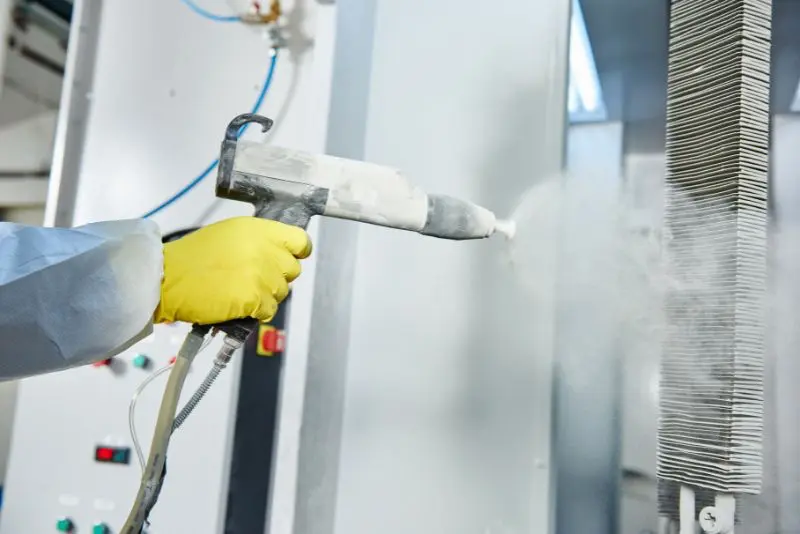
It modifies texture without relying on synthetic waxes and functions as a dispersing agent in pigment pastes. It also acts as an emulsifier in industrial coatings, helping stabilize particle distribution. The product is supplied as a white to off-white solid, available in flake or pastille form for ease of handling. Standard commercial grades are available at purity levels of 90% and above.
Higher-purity grades are offered for cosmetic and specialty applications. Both technical and cosmetic-grade material are commonly stocked, with specifications varying by hydroxyl value and free fatty acid content.
Other Names (Synonyms)
DL-12-hydroxystearic acid|DL-12-hydroxyoctadecanoic acid|12-hydroxyoctadecanoic acid|Cerit Fac 3|Hydrofol acid 200|Ceroxin GL|Barolub FTO|Stearic acid, 12-hydroxy-|12-HSA
Key Technical Features
- High Purity Grade standard
- Consistent Batch Quality
- Full Regulatory & REACH Support
- Global Logistics Network enabled