















SoleChem

Butylchlorotin dihydroxide

CAS
13355-96-9
EC
236-406-1
Mol. Weight
247.31 g/mol

Description

Butylchlorotin dihydroxide (CAS 13355-96-9), also known as Monobutyltin dihydroxychloride, is an organotin compound used as a catalyst and reactive intermediate in polymer processing and surface coating systems.

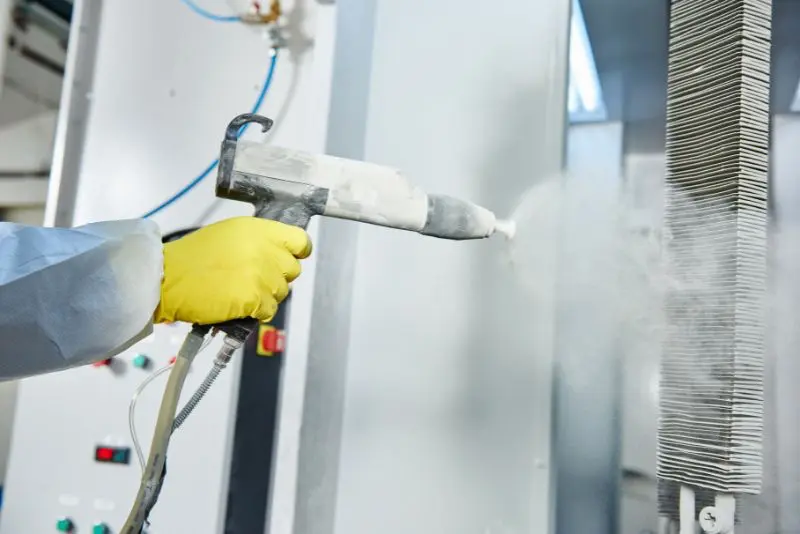
It functions primarily as a curing agent and crosslinking promoter, enabling controlled network formation in tin-catalyzed formulations. In industrial coatings, it acts as a catalyst for moisture-cure and condensation-cure systems.

This material supports film formation in protective and functional coating applications. Sealant and elastomer manufacturers use it to drive crosslinking in silicone and polyurethane-based formulations.

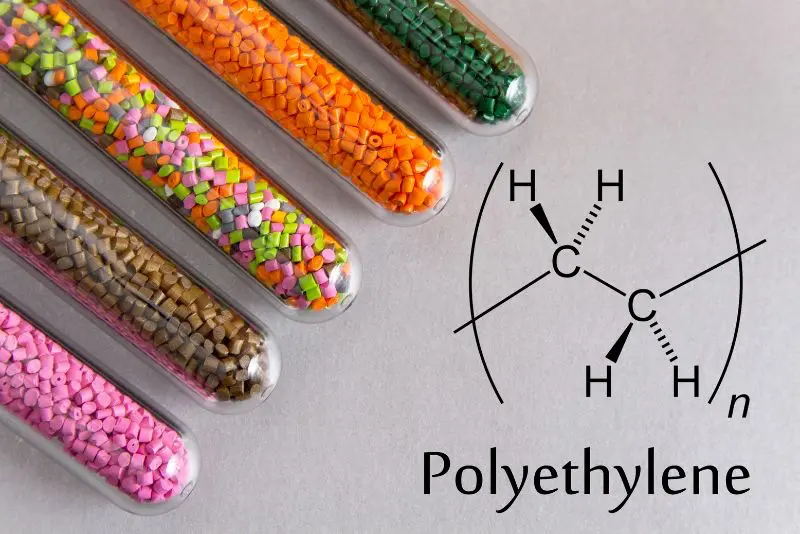
Cure rate and network density are critical to end-product performance in these applications. In PVC stabilizer chemistry, it serves as a precursor to more complex organotin stabilizer compounds.

This makes it highly relevant to polymer additive producers rather than end-use compounders. Adhesive formulators working with reactive systems also evaluate it where controlled tin-catalyzed curing is required.

Butylchlorotin dihydroxide is typically supplied as a solid powder or crystalline material. It is available in technical grade, with purity specifications commonly confirmed by tin content assay.

Packaging is generally offered in kilogram-scale quantities suited to specialty chemical and catalyst applications. This ensures the material meets the specific handling requirements of industrial laboratories.

Contact us for supply of Butylchlorotin dihydroxide

Request Quote

Physical Properties

Melting Point 150 °C
Boiling Point 243.2±23.0 °C(Predicted)
Density 1,26 g/cm 3
Form solid
Water Solubility 1.03mg/L at 20℃
Vapor Pressure 0.061Pa at 20℃
Log P 0.35 at 20℃

Safety & Handling (Learn More)

Danger GHS05 GHS07 GHS09
Hazard Statements
H302 Harmful if swallowed
H312 Harmful in contact with skin
H315 Causes skin irritation
H318 Causes serious eye damage
H319 Causes serious eye irritation
H332 Harmful if inhaled
H335 May cause respiratory irritation
H400 Very toxic to aquatic life
H410 Very toxic to aquatic life with long lasting effects
Precautionary Statements
P261 Avoid breathing dust/fume/gas/mist/vapours/spray.
P264 Wash … thoroughly after handling.
P270 Do not eat, drink or smoke when using this product.
P271 Use only outdoors or in a well-ventilated area.
P273 Avoid release to the environment.
P280 Wear protective gloves/protective clothing/eye protection/face protection.
P317 Get emergency medical help.
P319 Get medical advice/attention if you feel unwell.
P321 Specific treatment (see … on this label).
P330 Rinse mouth.
P391 Collect spillage.
P405 Store locked up.
P501 Dispose of contents/container in accordance with local regulations.
P264+P265 Wash … thoroughly after handling.
P301+P317 Get emergency medical help.
P302+P352 IF ON SKIN: Wash with plenty of water.
P304+P340 IF INHALED: Remove person to fresh air and keep comfortable for breathing.
P332+P317 Get emergency medical help.
P337+P317 If eye irritation persists: Get medical advice/attention. Get emergency medical help.
P362+P364 Take off contaminated clothing and wash it before reuse.
P403+P233 Store in a well-ventilated place. Keep container tightly closed.
P305+P351+P338 IF IN EYES: Rinse cautiously with water for several minutes. Remove contact lenses, if present and easy to do. Continue rinsing.
P305+P354+P338 IF IN EYES: Rinse cautiously with water for several minutes. Remove contact lenses, if present and easy to do. Continue rinsing.

Trade & Regulatory

HS Code 29319000
Storage Class 11 - Combustible Solids
WGK (Germany) 3

Documentation

Other Names

Monobutyltin dihydroxychloride|Butyl(chloro)tin;dihydrate|Butyltin chloride dihydroxide

Related Products

Need a chemical? Get a quote within 24 hours.

Call Request Quote