


















Sodium antimonate
Description
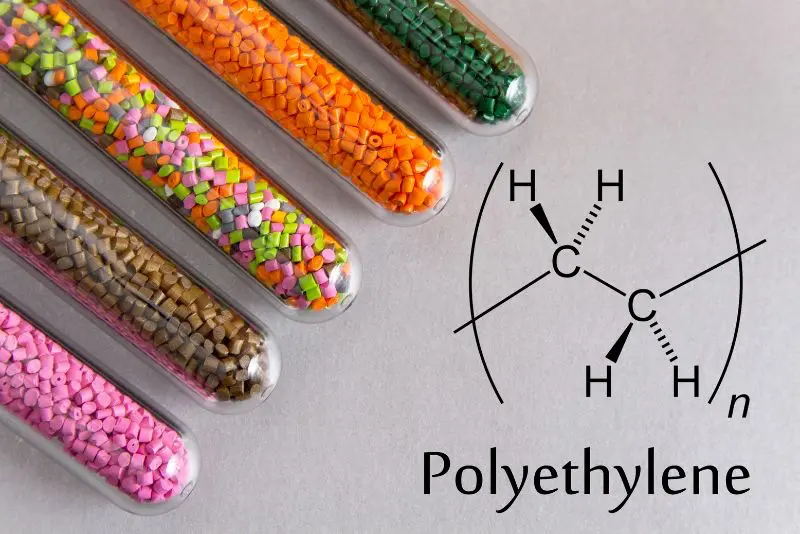
Sodium antimonate (CAS 15432-85-6) is an inorganic antimony salt used primarily as a flame retardant and synergist in polymer and coating systems. Unlike antimony trioxide, it offers lower volatility and improved compatibility. This material is ideal for high-temperature processing environments, making it the preferred antimony source for specific formulation requirements. In plastics and polymer compounding, it acts as a halogen synergist.
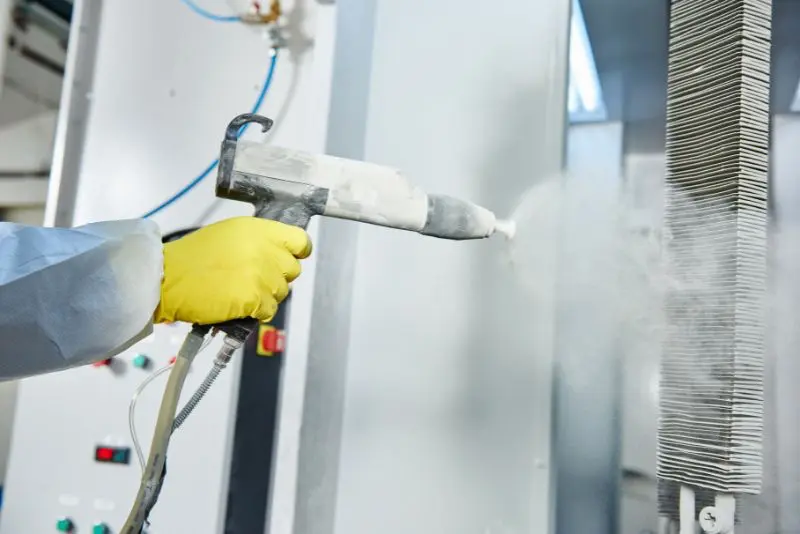
It boosts the flame-retardant efficiency of brominated or chlorinated systems in PET, nylon, and engineering resins. The electronics industry uses it in flame-retardant coatings and laminates where stability is critical. Processing stability at elevated temperatures is essential for these applications. Textile and paper manufacturers apply it in back-coating formulations to meet fire safety standards for upholstery and curtains.
It is also used for industrial fabrics and automotive components. Aerospace producers incorporate it into intumescent or halogenated flame-retardant compounds for interior parts subject to strict fire performance. The product is supplied as a white powder in technical and industrial grades. Particle size distribution is a key procurement parameter, as finer grades improve dispersion in polymer matrices and coatings.
Standard packaging includes 25 kg bags, with bulk quantities available depending on supplier capability. This ensures consistent quality and handling for large-scale industrial manufacturing and chemical processing.
Other Names (Synonyms)
Antimonate (SbO31-), sodium (1:1)|Antimonic acid (HSbO3), sodium salt|Antimonate (SbO31-), sodium|Sodium antimonate(V) (NaSbO3)|Sodium antimonate (NaSbO3)
Key Technical Features
- High Purity Grade standard
- Consistent Batch Quality
- Full Regulatory & REACH Support
- Global Logistics Network enabled