















Cetyl alcohol
Description
Cetyl alcohol (CAS 36653-82-4), also known as palmityl alcohol, is a long-chain fatty alcohol derived primarily from vegetable or animal sources. It functions as an emulsifier, emollient, and thickener across personal care, food, and industrial formulations.
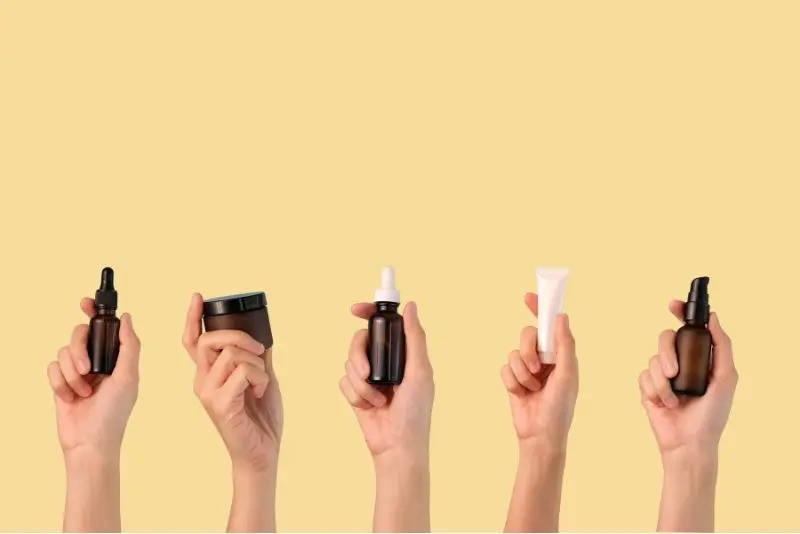
The FEMA 2554 designation supports its use as a flavoring agent in food applications. In cosmetics and personal care, it stabilizes oil-in-water emulsions in creams, lotions, and conditioners while improving product texture and spreadability.
Hair care manufacturers rely on it to add slip and body to conditioner formulations, where it coats the hair shaft to reduce friction during combing. Food-grade cetyl alcohol serves as a release agent and surface modifier in specific processed food applications.
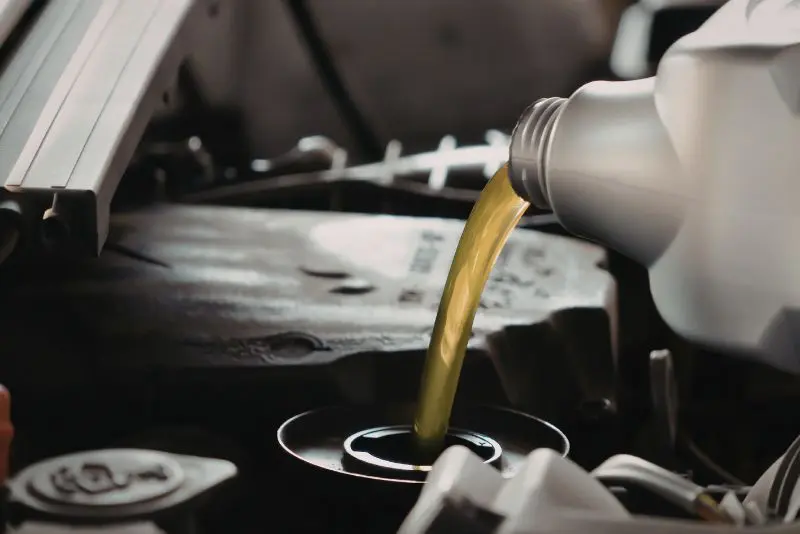
In industrial lubricants and metalworking fluids, it acts as a lubricity additive and emulsion stabilizer, improving film formation on metal surfaces. This versatile chemical is supplied as white waxy flakes or pellets for ease of handling and melting.
Standard grades include cosmetic/personal care grade, food-grade (FCC), and technical grade for industrial use. Purity is typically 95–99%, with specifications aligned to Ph. Eur. and USP monographs for pharmaceutical supply chains.
Other Names (Synonyms)
palmityl alcohol|n-hexadecyl alcohol|n-hexadecan-1-ol|n-cetyl alcohol|n-1-hexadecanol|hexadecyl alcohol|ethol|ethal
Key Technical Features
- High Purity Grade standard
- Consistent Batch Quality
- Full Regulatory & REACH Support
- Global Logistics Network enabled