


















Potassium humate
Description
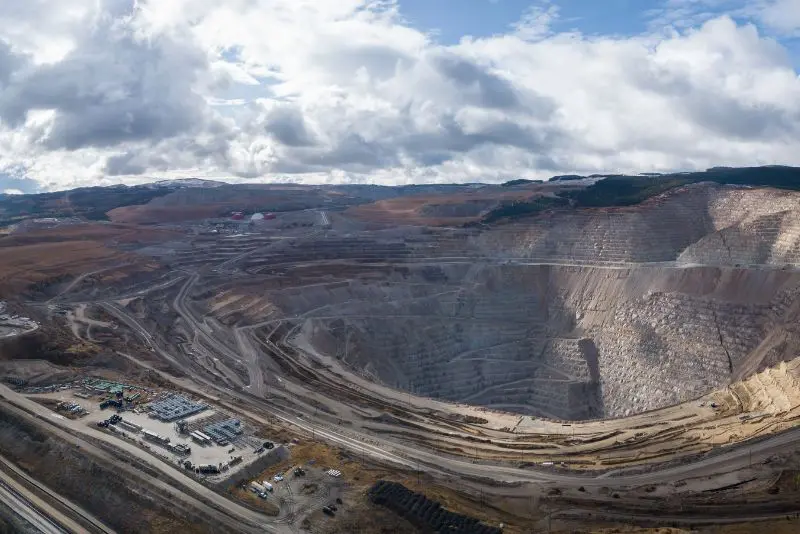
Potassium humate (CAS 68514-28-3), derived from leonardite or lignite through alkaline extraction, is the potassium salt form of humic acid used commercially as a soil conditioner, micronutrient chelator, and water treatment agent. It improves nutrient availability and soil structure in agricultural programs, while also functioning as a flocculant in industrial water systems. In crop nutrition programs, it chelates iron, zinc, and manganese.
This process keeps micronutrients in plant-available form and reduces fertilizer lock-up in high-pH soils. It is applied as a standalone soil drench, blended into NPK liquid fertilizers, or incorporated into slow-release granules. These formulations are ideal for row crops, horticulture, and turf management. In water treatment, it acts as a coagulation aid and flocculant, helping to remove suspended solids and organic matter from effluent streams.
Feed and soil amendment manufacturers also use it as a buffering agent to stabilize pH in liquid concentrate products. Potassium humate is supplied as a black powder, flakes, or concentrated liquid solution. Standard grades include technical-grade powder with defined humic acid content, typically 70 to 85 percent on a dry basis. Soluble flake grades are optimized for fertigation and foliar application systems.
Agricultural-grade and water treatment-grade specifications are the most commonly traded forms in bulk and bagged packaging. These products meet rigorous industrial and agricultural quality standards for global distribution.
Other Names (Synonyms)
Humic acids potassium salts|humic acid, potassium salts|Humic acid potassium salt|Powhumus|Humate 80|K-Humate
Key Technical Features
- High Purity Grade standard
- Consistent Batch Quality
- Full Regulatory & REACH Support
- Global Logistics Network enabled