













Humic acid
Description
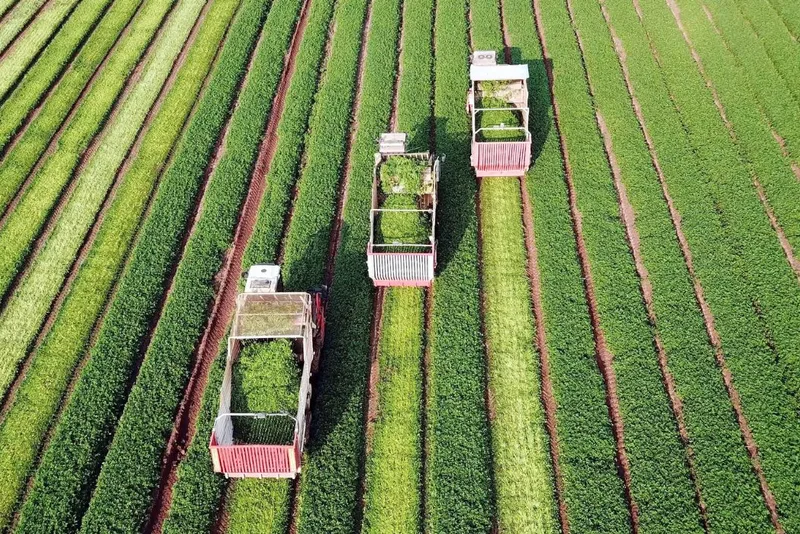
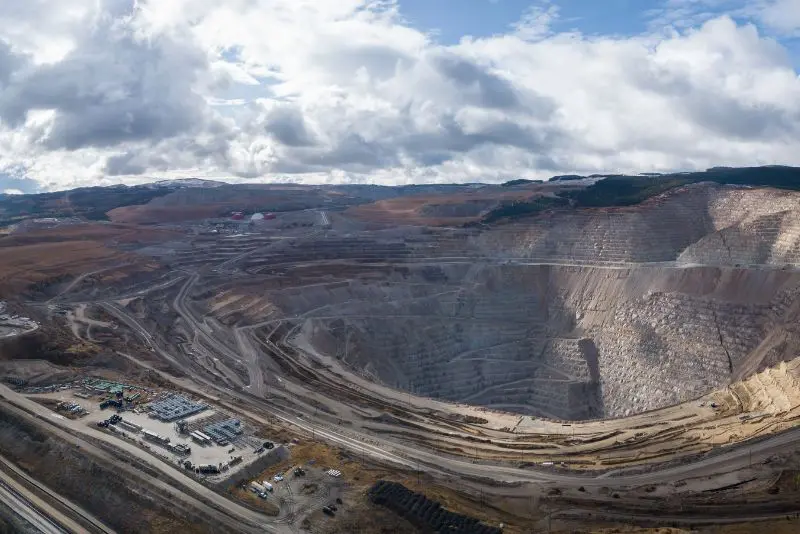
Humic acid (CAS 1415-93-6), also referred to as HA, is a naturally derived organic acid extracted from leonardite, lignite, or peat. It functions as a chelating agent, pH buffer, and soil conditioner across agriculture and water treatment industries. In crop nutrition programs, HA chelates micronutrients such as iron, zinc, and manganese, improving their uptake efficiency and reducing fertilizer lock-up in alkaline soils. Liquid and soluble powder formulations are applied as soil drenches or foliar sprays.
These applications stimulate root development and enhance nutrient retention in the rhizosphere. In water treatment, humic acid acts as a coagulation and flocculation aid, helping to aggregate suspended solids and organic matter for easier removal. It also serves in pH regulation applications where buffering capacity is needed to stabilize process water or irrigation inputs. Humic acid is supplied as a dry powder, granules, flakes, and concentrated liquid for various industrial uses.
Standard grades include technical-grade soluble powder, typically 50 to 90 percent humic acid content, and agricultural-grade formulations optimized for fertigation or dry broadcast application. These products meet rigorous industrial requirements. Solubility and active content vary by source material and extraction method, so buyers typically specify minimum humic acid percentage. This is often requested alongside potassium humate or sodium humate salt form where applicable.
Other Names (Synonyms)
humin acids|humic acids|Ulmic acids|Agro-Lig|Soil organic matter, humic acids|Humic Substances|HA.|HA
Key Technical Features
- High Purity Grade standard
- Consistent Batch Quality
- Full Regulatory & REACH Support
- Global Logistics Network enabled