
















Hydroxyphosphonoacetic acid
Description
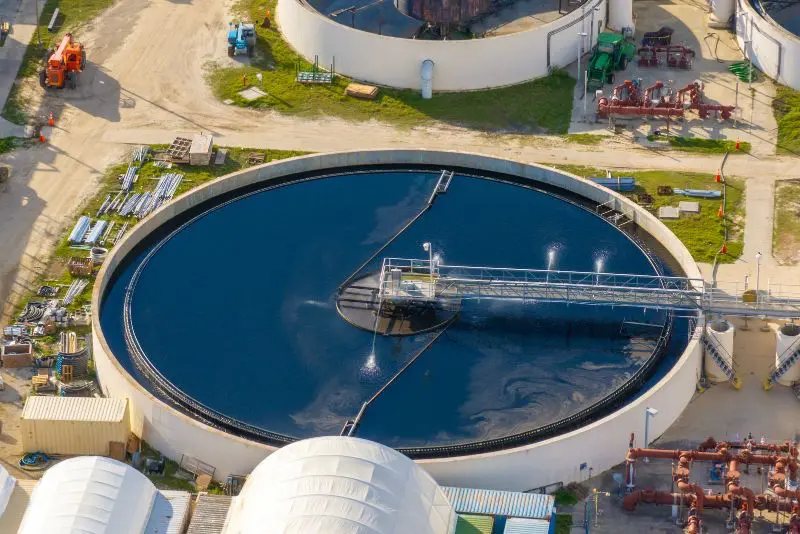
Hydroxyphosphonoacetic acid (CAS 23783-26-8), commonly sourced and specified as HPAA, is an organophosphonic acid used across water treatment and industrial formulations as a chelating and scale-inhibiting agent. It binds metal ions and disrupts mineral crystal growth, preventing scale deposition and corrosion in process water systems. In cooling water and boiler systems, HPAA controls calcium carbonate and calcium sulfate.
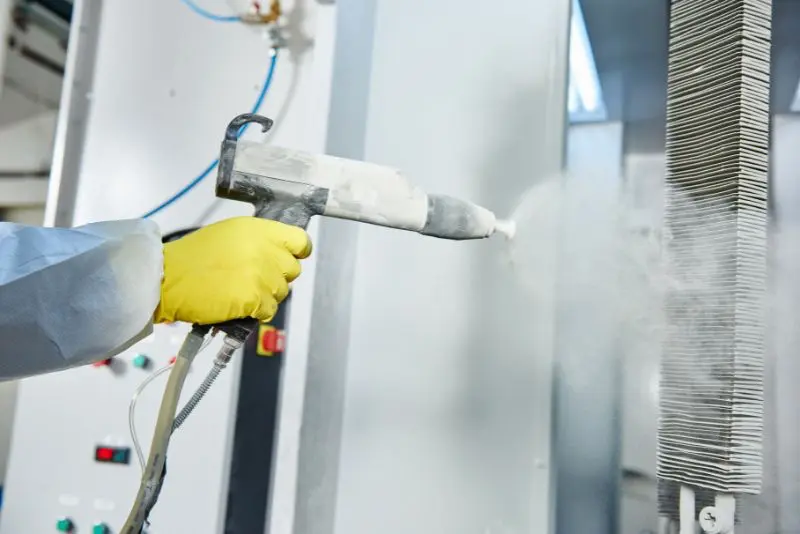
It also manages calcium phosphate scale at low dosage levels, making it a preferred choice for high-hardness water circuits. Formulators incorporate it into corrosion inhibitor blends where both metal chelation and threshold inhibition are required. In coatings and adhesive formulations, it functions as a dispersant and adhesion promoter, improving pigment stability and substrate bonding on metal surfaces. This versatility makes it essential for industrial manufacturing.
Personal care manufacturers use it as a chelating preservative booster, sequestering trace metals that would otherwise degrade product stability or reduce biocide efficacy. It ensures long-term shelf life and performance. HPAA is supplied as an aqueous solution, with 50% active content being the most commonly traded concentration. Technical grade is the standard specification for industrial water treatment and coating applications.
Food-contact and personal care applications typically require documentation confirming purity and absence of heavy metal contaminants. Reputable suppliers provide these alongside standard TDS and COA documents.
Other Names (Synonyms)
HPAA|2-Hydroxy phosphono acetic acid|HPA|Acetic acid, 2-hydroxy-2-phosphono-|Belclene 575|RefChem:147249|Acetic acid, hydroxyphosphono
Key Technical Features
- High Purity Grade standard
- Consistent Batch Quality
- Full Regulatory & REACH Support
- Global Logistics Network enabled