














Polyaspartic acid
Description
Polyaspartic acid (CAS 25608-40-6), also referred to as PAA, is a biodegradable polyamino acid polymer used across industrial and agricultural sectors. It functions primarily as a scale inhibitor and dispersant. This versatile chelating agent prevents mineral deposits from forming on surfaces and equipment in contact with hard water or process fluids. In water treatment, it inhibits calcium carbonate and calcium sulfate scales.
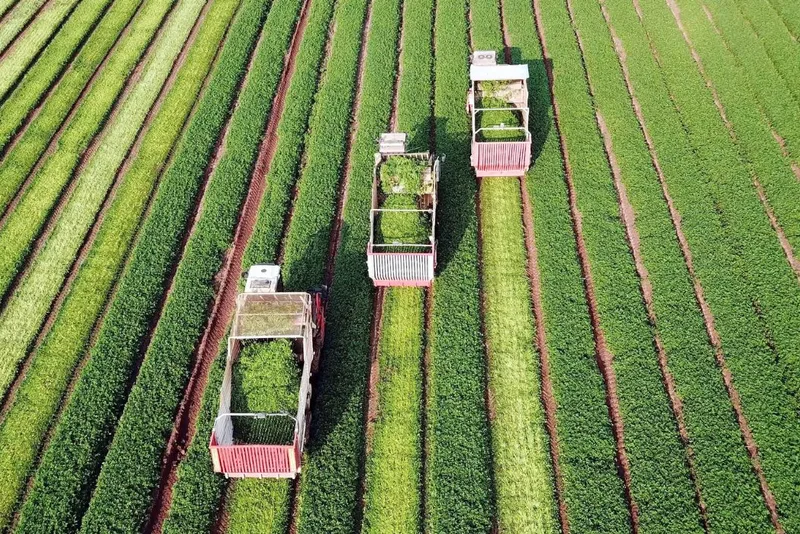
It is frequently used in cooling towers, boilers, and reverse osmosis systems, replacing conventional phosphonate-based chemistries where environmental compliance is required. This makes it a sustainable choice for modern facilities. Agricultural formulators incorporate it into fertilizer blends to enhance nutrient uptake efficiency. It is particularly effective for micronutrients like zinc and iron in various soil applications to improve crop yields.
In personal care, it functions as a conditioning polymer and dispersant in rinse-off products where biodegradability is a requirement. Household cleaners use it to sequester hardness ions for better performance. By improving surfactant performance in hard water conditions, it ensures cleaner surfaces. Polyaspartic acid is supplied as an aqueous solution, typically at concentrations of 40% or 50% active content.
It is commonly provided in sodium salt form, though dry powder grades are available for applications requiring solid formulations. Technical and industrial grades are the standard market offering for most buyers. Documentation typically includes heavy metal limits and molecular weight specifications relevant to scale inhibition performance. These standards ensure the material meets the necessary requirements for industrial use.
Other Names (Synonyms)
Poly(L-aspartic acid)|PolyAspartic acid (PAA)|Poly(aspartic acid)
Key Technical Features
- High Purity Grade standard
- Consistent Batch Quality
- Full Regulatory & REACH Support
- Global Logistics Network enabled