



Peracetic acid
Description
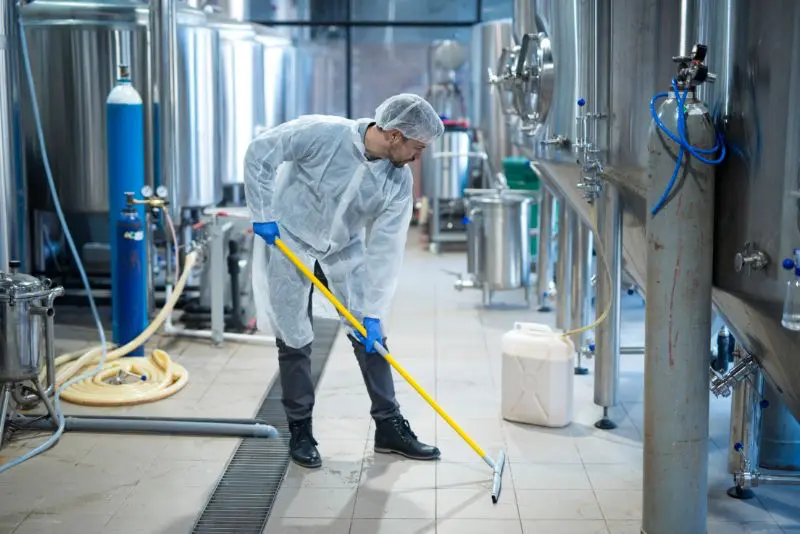
Peracetic acid (CAS 79-21-0), commonly abbreviated as PAA and also known as peroxyacetic acid, is a high-performance oxidizing biocide and disinfectant used across food processing, water treatment, and industrial sanitation. It delivers rapid, broad-spectrum antimicrobial action and leaves no persistent residues, making it a preferred alternative to chlorine-based disinfectants in regulated environments. In food and beverage processing, PAA is used to sanitize equipment.
It is applied to conveyors and packaging surfaces where chemical residue limits are strictly controlled. Pulp and paper manufacturers apply it as a bleaching agent to brighten pulp without the chlorinated byproducts associated with traditional bleaching. Municipal and industrial water treatment operations use PAA to disinfect effluent and process water, particularly where discharge regulations restrict chlorine use. Pharmaceutical and healthcare facilities rely on it for sterilization.
It is used for production environments and medical device decontamination. Peracetic acid is supplied as an aqueous solution, most commonly in concentrations ranging from 5% to 40%, with equilibrium mixtures containing acetic acid. These mixtures also contain hydrogen peroxide. Food-grade and pharmaceutical-grade specifications are available to meet regulatory requirements in sensitive applications. Industrial-grade supply is standard for paper bleaching.
It is also the standard for wastewater treatment end uses. This versatile chemical ensures high safety standards across various sectors while maintaining environmental compliance through its biodegradable nature.
Other Names (Synonyms)
Peroxyacetic acid|Ethaneperoxoic acid|Acetyl hydroperoxide|Peroxoacetic acid|Acetic peroxide|Monoperacetic acid|Osbon AC|Hydroperoxide, acetyl|PAA
Key Technical Features
- High Purity Grade standard
- Consistent Batch Quality
- Full Regulatory & REACH Support
- Global Logistics Network enabled