










Hydrogen peroxide
Description
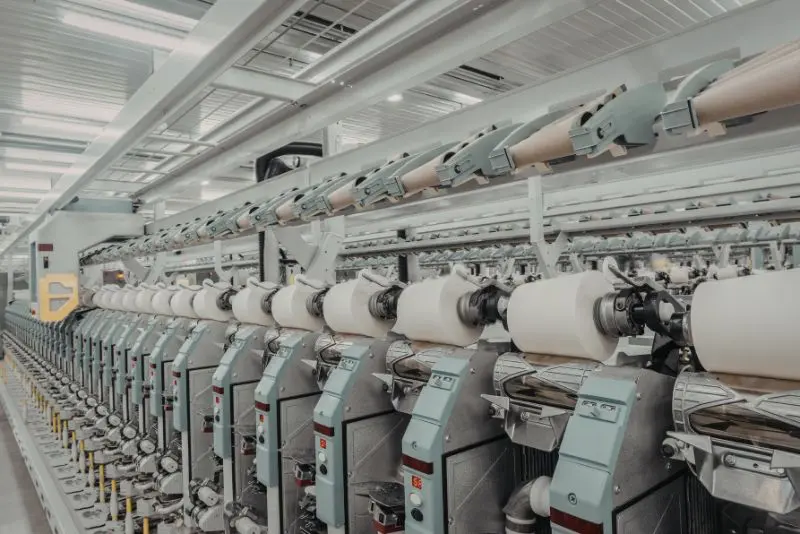
Hydrogen peroxide (CAS 7722-84-1), commonly abbreviated as H2O2, is an oxidizing agent and bleaching compound used across industrial, food-grade, and pharmaceutical supply chains. It functions as a disinfectant, bleach, and chemical intermediate depending on concentration and application sector. In pulp, paper, and textile processing, it is the primary bleaching agent.
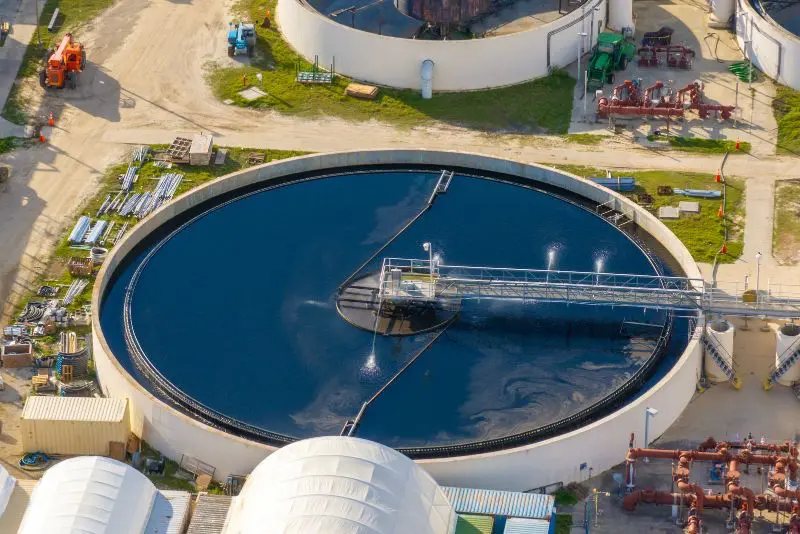
It brightens fibers without the chlorine residues that complicate downstream effluent management. Water treatment facilities use it to oxidize organic contaminants and break down biofilm. It supports advanced oxidation processes alongside ozone or UV systems. Personal care formulators incorporate it into hair bleaching and tooth-whitening products for active oxygen release.
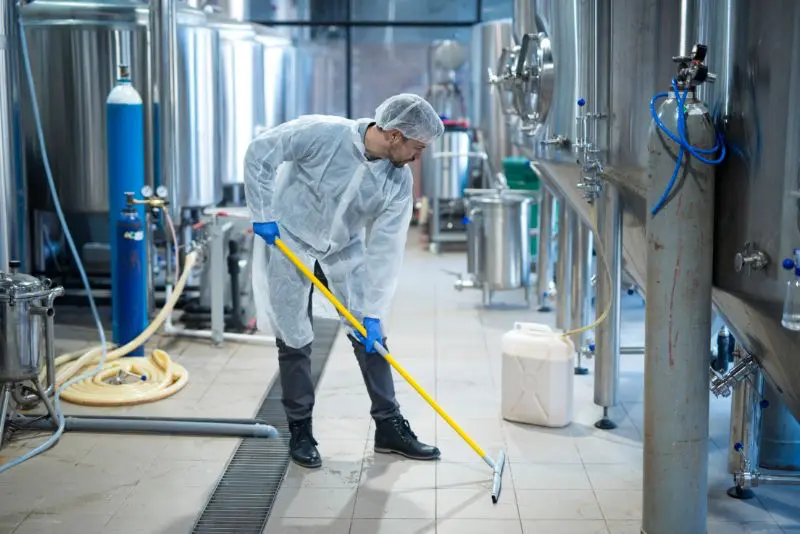
In food processing and pharmaceutical manufacturing, it serves as a surface and equipment sterilant. This is critical in aseptic packaging lines and cleanroom environments. Hydrogen peroxide is supplied as an aqueous solution in concentrations typically ranging from 3% to 70%. The 35%, 50%, and 60% solutions are the most common industrial grades.
Food-grade and USP specifications are available for applications requiring purity documentation in regulated environments. These standards ensure safety for sensitive manufacturing. High-concentration technical grades are standard in mining and chemical synthesis. In these sectors, the compound functions as a reliable and powerful process oxidant.
Other Names (Synonyms)
H2O2|dioxidane|dihydrogen dioxide|peroxide|oxydol|perhydrol|Superoxol|Interox
Key Technical Features
- High Purity Grade standard
- Consistent Batch Quality
- Full Regulatory & REACH Support
- Global Logistics Network enabled