










Hydroxypivalic acid
Description
Hydroxypivalic acid (CAS 4835-90-9), commonly abbreviated as HPA, is a bifunctional organic acid used as a reactive building block in polymer synthesis and resin formulation. Its combination of hydroxyl and carboxyl groups makes it a practical monomer for producing specialty polyesters and alkyd resins. Oxypivalic acid is an alternative name occasionally encountered in trade.
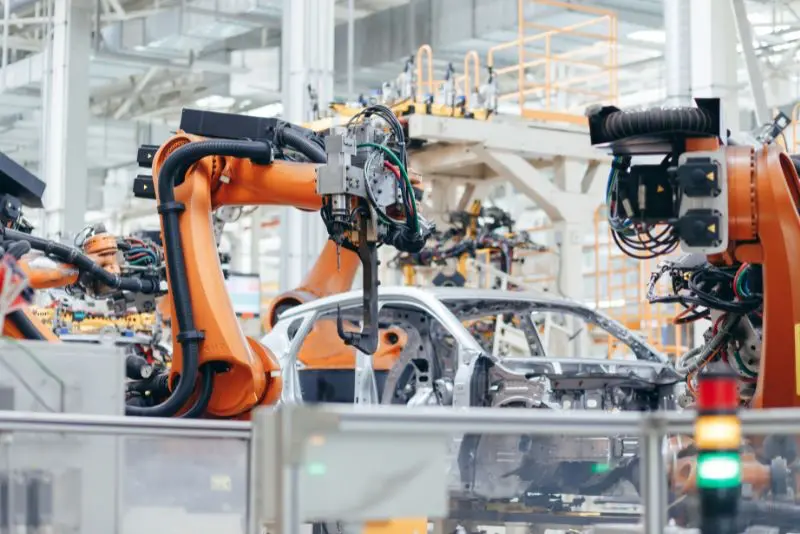
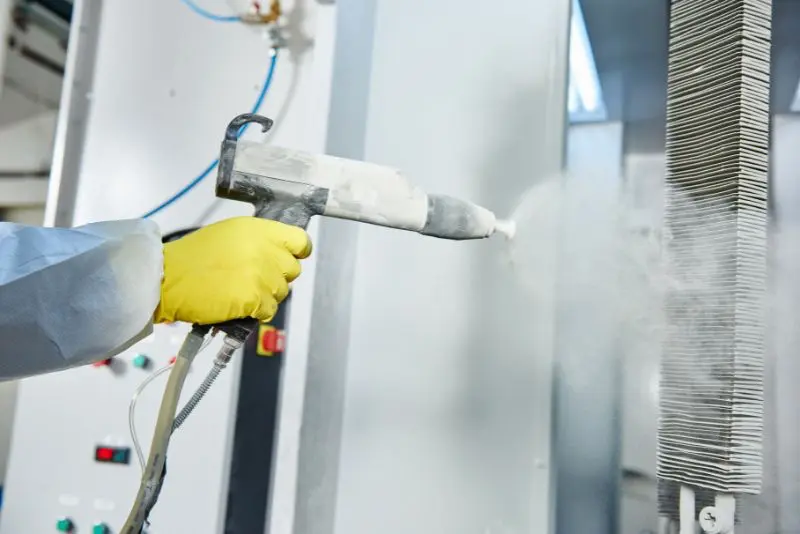
In coatings, HPA is used to synthesize hydroxyl-functional polyester resins that crosslink with isocyanates or melamines, delivering improved hardness and weatherability in automotive and industrial finishes. Alkyd resin producers incorporate it to control molecular weight and introduce branching, directly influencing viscosity and drying performance in the final coating applications.
In adhesives and sealants, HPA-derived polyesters contribute flexibility and adhesion to demanding bonding applications. Pharmaceutical manufacturers use it as a chiral intermediate for synthesis. It serves as a building block for active pharmaceutical ingredient synthesis. Hydroxypivalic acid is supplied as a white crystalline solid or powder for various industrial processes.
It is available in technical grade for industrial resin and polymer applications, with pharmaceutical-grade material offered where API synthesis requires tighter purity specifications. Standard packaging ranges from small drums to bulk quantities depending on application volume. This versatile chemical ensures high performance across multiple manufacturing sectors.
Other Names (Synonyms)
α,α-Dimethyl-β-hydroxypropionic acid|Oxypivalic acid|3-Hydroxy-2,2-dimethylpropanoic acid|2,2-Dimethylhydracrylic acid|2,2-Dimethyl-3-hydroxypropionic acid|2,2-Dimethyl-3-hydroxypropanoic acid|3-Hydroxy-2,2-dimethylpropionic acid|Propanoic acid, 3-hydroxy-2,2-dimethyl-|HPA
Key Technical Features
- High Purity Grade standard
- Consistent Batch Quality
- Full Regulatory & REACH Support
- Global Logistics Network enabled