

















Methylhexahydrophthalic anhydride
Description
Methylhexahydrophthalic anhydride (CAS 25550-51-0), commonly known as MHHPA, is a liquid cycloaliphatic anhydride used as a curing agent and reactive intermediate in epoxy resin systems. Its low viscosity and long pot life make it a preferred hardener where processing conditions demand extended working time and consistent cure performance across various industrial applications.
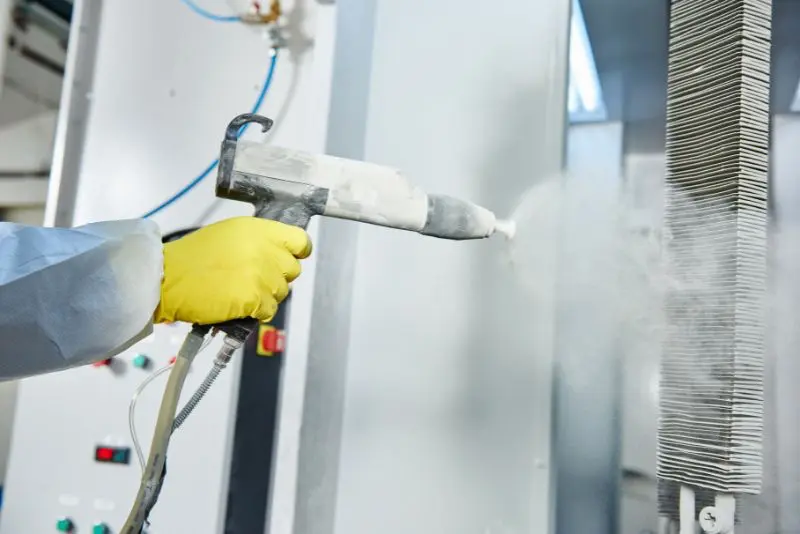
In electronics manufacturing, MHHPA is the primary hardener for epoxy encapsulants, LED lens compounds, and semiconductor packaging resins, where optical clarity and thermal stability after cure are critical. Coatings formulators use it to produce high-gloss, chemically resistant finishes for industrial and automotive substrates. In structural adhesives and composite systems, it crosslinks epoxy matrices effectively.
This material delivers mechanical strength and dimensional stability under thermal cycling. Electrical insulation components, including cast transformers and switchgear potting compounds, rely on these cured epoxies. MHHPA-cured systems are valued for their dielectric performance and long-term reliability. The product is supplied as a clear to pale yellow liquid, typically in drums and IBC totes for bulk procurement.
It is available in standard technical and electronic grades, with electronic-grade material meeting tighter purity and color specifications for optical and semiconductor applications. Accelerator-blended formulations are also offered commercially for buyers requiring ready-to-use hardener systems. This ensures versatility for manufacturers across the chemical and electronics sectors.
Other Names (Synonyms)
MHHPA|methyl-1,2-cyclohexanedicarboxylic anhydride|hexahydromethyl-1,3-isobenzofurandione|Hexahydro-1-methylphthalic anhydride|Hexahydromethylphthalic anhydride|3a-methylhexahydro-2-benzofuran-1,3-dione|1,3-Isobenzofurandione, hexahydromethyl-|1,2-Cyclohexanedicarboxylic anhydride, methyl-
Key Technical Features
- High Purity Grade standard
- Consistent Batch Quality
- Full Regulatory & REACH Support
- Global Logistics Network enabled