




Hydroxypropyl methacrylate
Description
Hydroxypropyl methacrylate (CAS 27813-02-1), commonly abbreviated as HPMA and also marketed as Rocryl 410, is a reactive monomer used to build functional acrylic polymer systems. It introduces hydroxyl groups into polymer backbones, enabling controlled crosslinking, adhesion tuning, and surface reactivity across a broad range of industrial formulations.
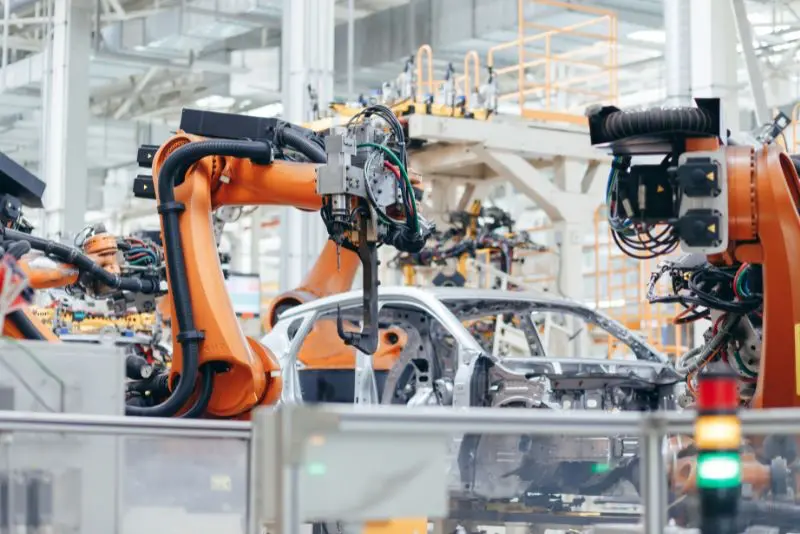
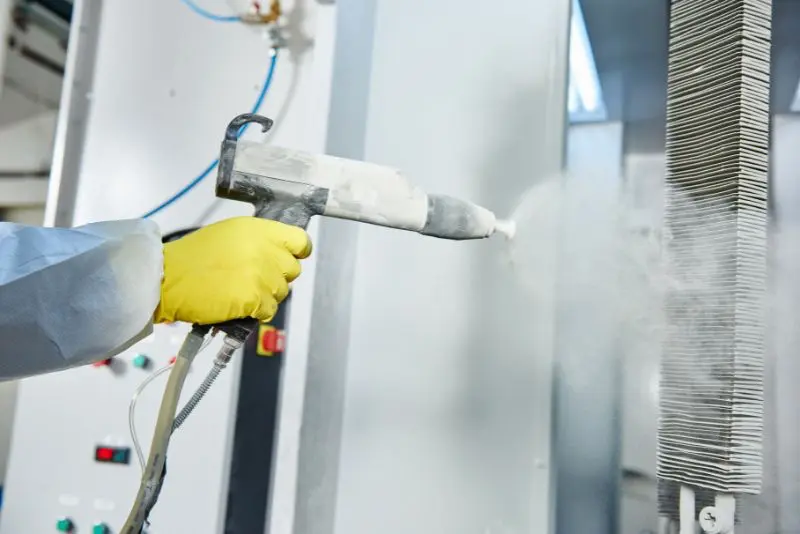
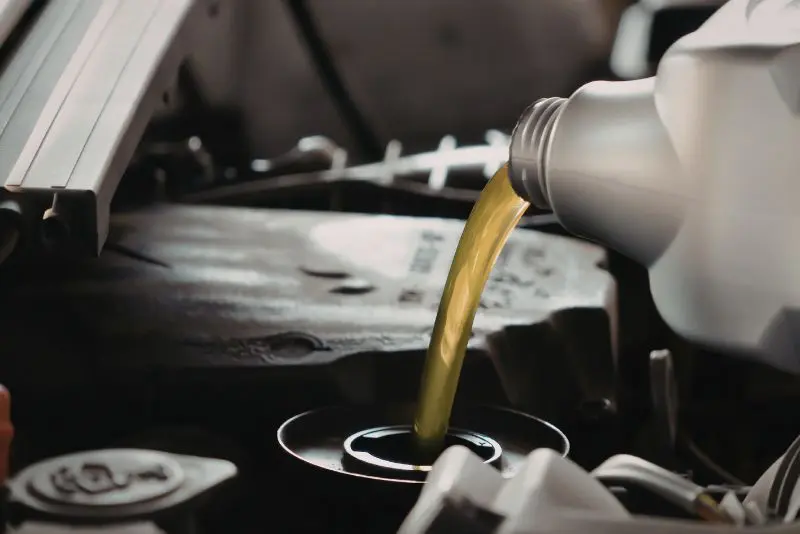
In automotive and industrial coatings, HPMA reacts with isocyanates or melamine resins to produce two-component polyurethane and acrylic topcoats with defined cure profiles and film hardness. Adhesive and sealant formulators incorporate it to improve substrate bonding and cohesive strength in structural and pressure-sensitive systems for various industrial applications.
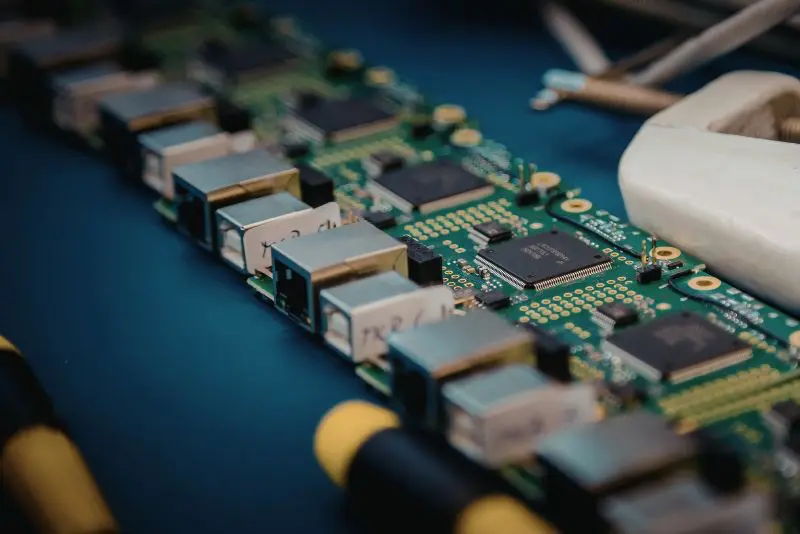
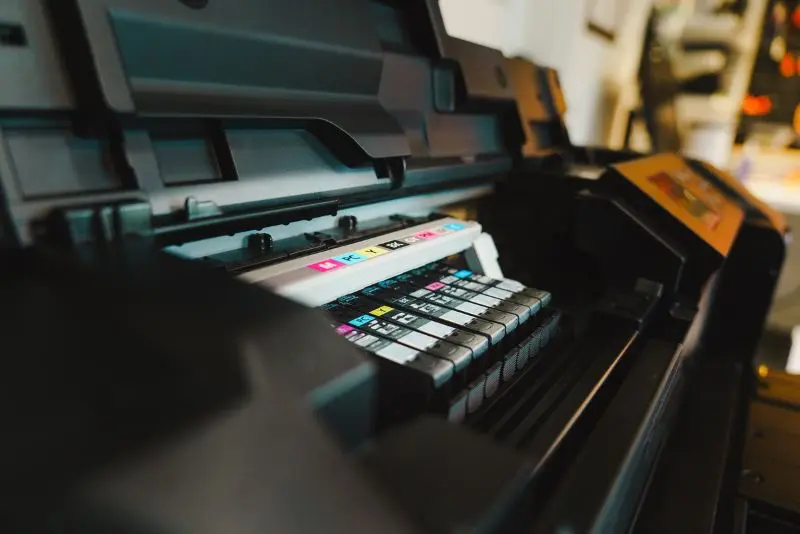
In UV-curable printing inks and packaging coatings, it functions as a reactive diluent that reduces viscosity while contributing to crosslink density after the curing process is complete. Electronics manufacturers use HPMA-based polymers in conformal coatings and encapsulants where controlled hydroxyl functionality supports adhesion to sensitive substrates and components.
Hydroxypropyl methacrylate is supplied as a clear liquid, typically as a mixture of the 2-hydroxypropyl and 1-methyl-2-hydroxyethyl isomers for standard industrial use. Technical and industrial grades are the standard market offering, with inhibitor content specified to ensure storage stability. Packaging ranges from drums to IBC containers with 97% purity.
Other Names (Synonyms)
Propylene glycol monomethacrylate|Rocryl 410|1,2-Propanediol, monomethacrylate|UKW89XAX2X|1,2-Propanediol, 2-methyl, monomethacrylate|Methacrylic acid, monoester with 1,2-propanediol|2-Propenoic acid, 2-methyl-, 2-hydroxymethylethyl ester|RefChem:923164|HPMA
Key Technical Features
- High Purity Grade standard
- Consistent Batch Quality
- Full Regulatory & REACH Support
- Global Logistics Network enabled