















Hyaluronic acid
Description
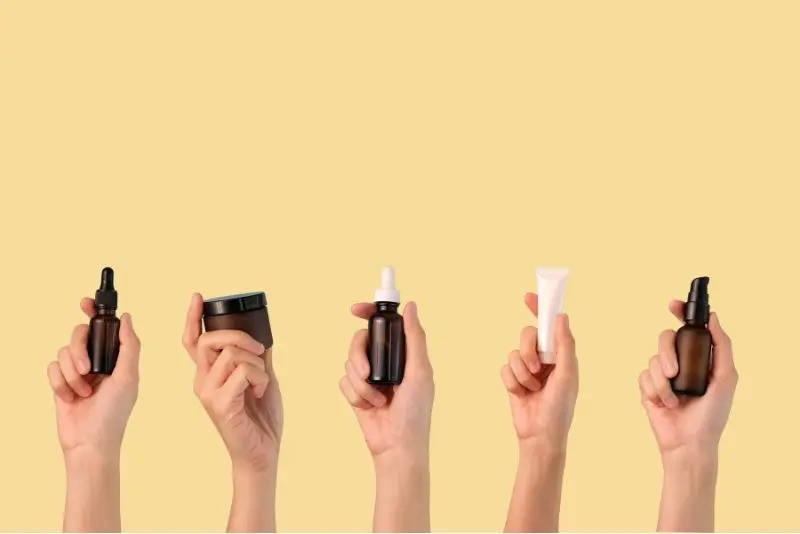
Hyaluronic acid (CAS 9004-61-9), also known as HA, is a naturally derived polysaccharide used across cosmetic, pharmaceutical, and biotech manufacturing. Commercially recognized under names such as Luronit and Sepracoat, it functions as a high-performance humectant. It acts as a viscosity modifier in formulations requiring sustained moisture retention and texture control. In skincare and topical cosmetics, HA is incorporated into serums, creams, and sheet masks to deliver and sustain surface hydration across varying molecular weight grades.
Pharmaceutical manufacturers use it as a viscoelastic agent in ophthalmic solutions and as a carrier matrix in injectable formulations for joint therapy. In wound care and medical device coatings, it provides a biocompatible hydrating layer that supports tissue contact applications. Biotech and life science suppliers also source HA as a scaffold component in cell culture media and tissue engineering substrates. Hyaluronic acid is supplied as a white to off-white powder, with sodium hyaluronate being the most commercially prevalent salt form.
Standard grades include cosmetic, food-grade, and pharmaceutical-grade (USP/EP), with molecular weight ranges specified to match application requirements. These ranges include low, medium, and high molecular weights to ensure optimal performance in final products. Bulk quantities are available alongside smaller research and pilot-scale packaging to serve both industrial formulators and laboratory buyers. This ensures a reliable supply chain for diverse manufacturing needs across the chemical and life science sectors.
Other Names (Synonyms)
Mucoitin|Luronit|Sepracoat|HA
Key Technical Features
- High Purity Grade standard
- Consistent Batch Quality
- Full Regulatory & REACH Support
- Global Logistics Network enabled