



Hydrochloric acid
Description
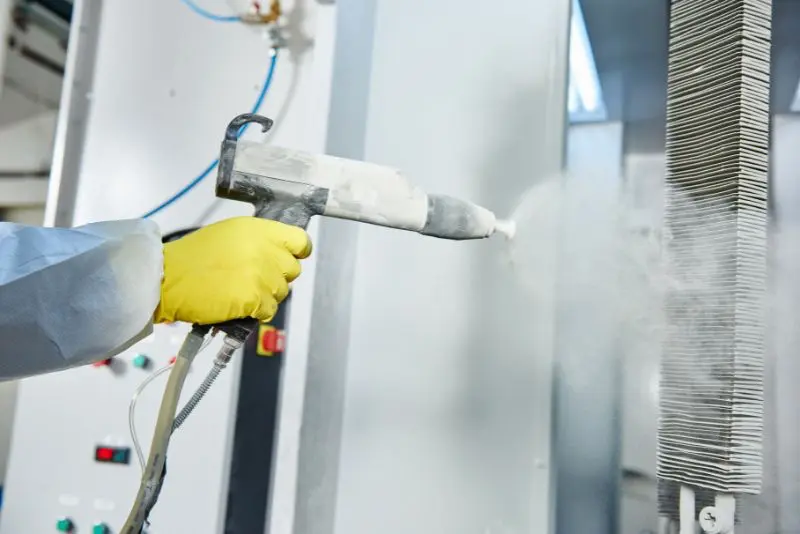
Hydrochloric acid (CAS 7647-01-0), also known as HCl and listed as E507 in food applications, is a strong inorganic acid supplied as an aqueous solution. It is used for industrial-scale pH control, metal processing, and chemical synthesis. Its aggressive reactivity with oxides, carbonates, and alkaline compounds makes it a primary reagent across a broad range of manufacturing and treatment processes. In steel and metal fabrication, HCl is used to pickle and descale surfaces.
This process occurs before galvanizing, electroplating, or coating, removing iron oxides without damaging the base metal. Food and beverage producers use E507-grade acid to regulate pH in starch hydrolysis and gelatin production. It is also essential in the manufacture of food additives. Water treatment facilities dose hydrochloric acid to correct alkalinity and maintain optimal pH in both potable water systems and industrial effluent streams.
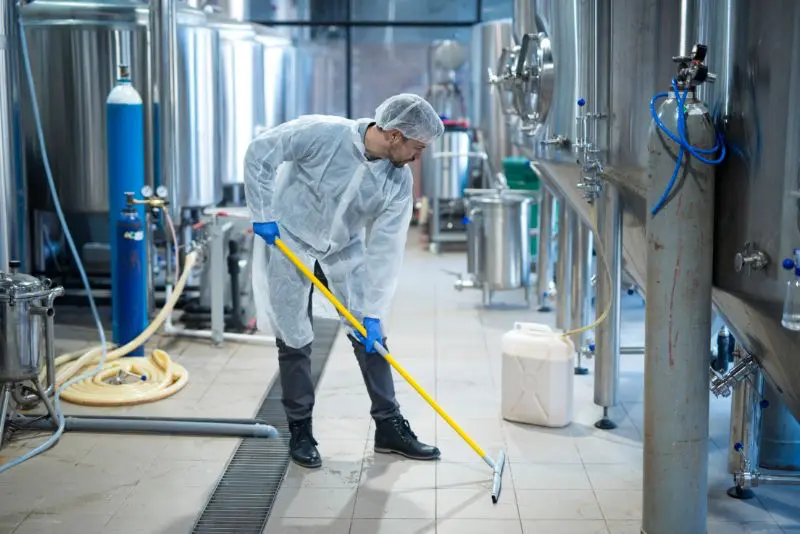
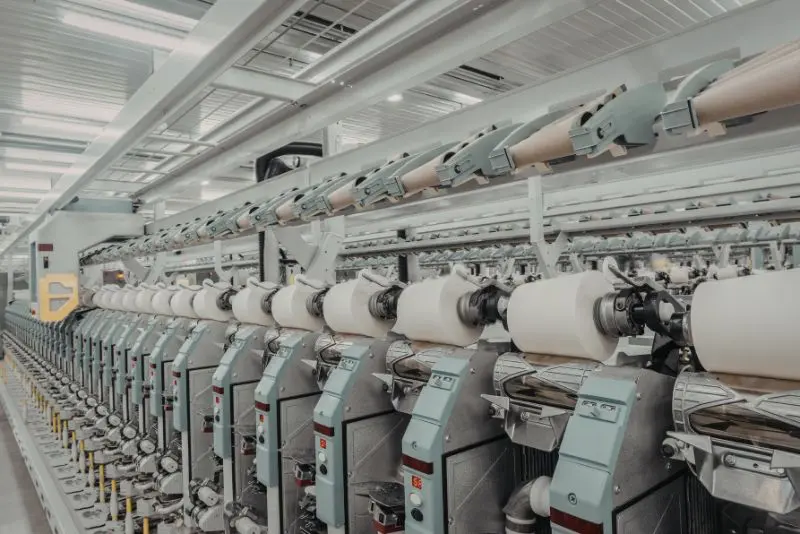
Leather tanneries and textile processors apply it in deliming, dyeing preparation, and fiber treatment stages. In these applications, precise acidity control determines the final product quality and consistency. Hydrochloric acid is supplied as an aqueous solution, with 30–33% and 35–37% concentrations being the most common commercial grades. Food-grade (E507/FCC) and technical-grade specifications are both available.
Food and pharma applications require compliance to BP or Ph. Eur. standards to ensure safety and purity. Bulk liquid supply in tankers and IBCs are standard formats for industrial procurement.
Other Names (Synonyms)
hydrochloric acid gas|HCl|chlorane|anhydrous HCl|spirits of salt|spirit of salt|muriatic acid|marine acid|E507
Key Technical Features
- High Purity Grade standard
- Consistent Batch Quality
- Full Regulatory & REACH Support
- Global Logistics Network enabled