










Silicon
Description
Silicon (CAS 7440-21-3), commonly traded as silicon metal or Si, is a high-purity elemental material refined from quartz and used as a foundational raw material across metallurgical, chemical, and electronic manufacturing supply chains. It functions primarily as a precursor for producing silicones, semiconductors, and aluminum alloys rather than as a finished additive. In the plastics and polymer industry, silicon metal is the primary feedstock for manufacturing silicone polymers.
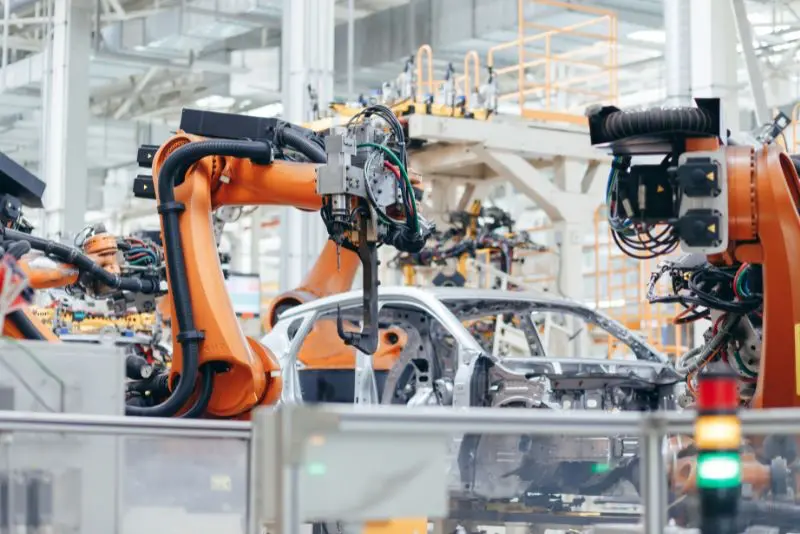
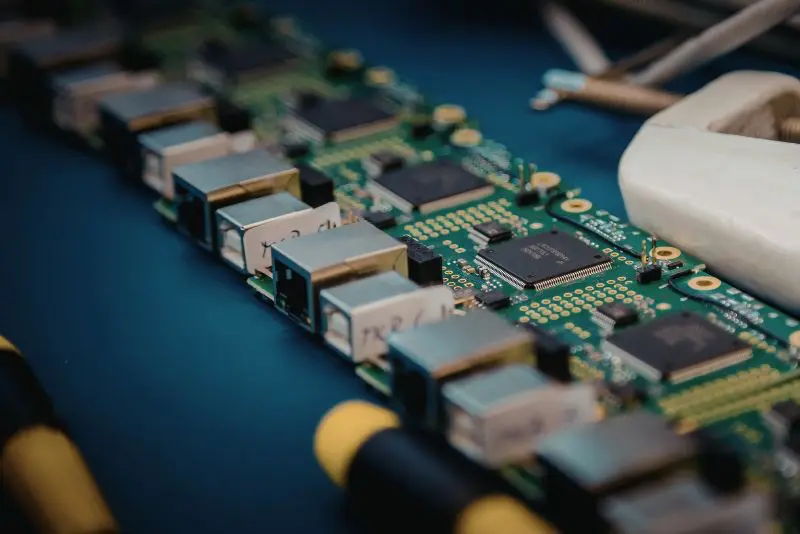
These include silicone fluids, elastomers, and sealants used in automotive and construction applications. Automotive manufacturers rely on aluminum-silicon alloys produced with metallurgical-grade silicon to achieve lightweight, high-strength castings. These castings are essential for engine components and structural parts. In electronics, ultra-high-purity silicon is processed into wafers that form the substrate for semiconductors, solar cells, and integrated circuits.
Chemical producers also use it as a starting material for synthesizing chlorosilanes and other organosilicon intermediates. Silicon metal is supplied as chunks, granules, or powder, with particle size and purity grade selected based on end-use requirements. Metallurgical grade (typically 98–99% Si) covers alloy and chemical synthesis applications, while semiconductor and solar grades are held to significantly tighter purity thresholds. Standard packaging ranges from bulk bags to drums.
Other Names (Synonyms)
element 14|14Si|Silicon metal|Defoamer S-10|Silicon, elemental|Silicium|Z4152N8IUI|Elemental silicon|Si
Key Technical Features
- High Purity Grade standard
- Consistent Batch Quality
- Full Regulatory & REACH Support
- Global Logistics Network enabled