













SoleChem

Vitreous silica

CAS
60676-86-0
EC
262-373-8
Mol. Weight
60.084 g/mol

Description

Vitreous silica (CAS 60676-86-0), also sold as silicon dioxide or silica, is an amorphous, non-crystalline form of SiO₂ produced through high-temperature fusion. It functions as a rheology modifier and stabilizer.

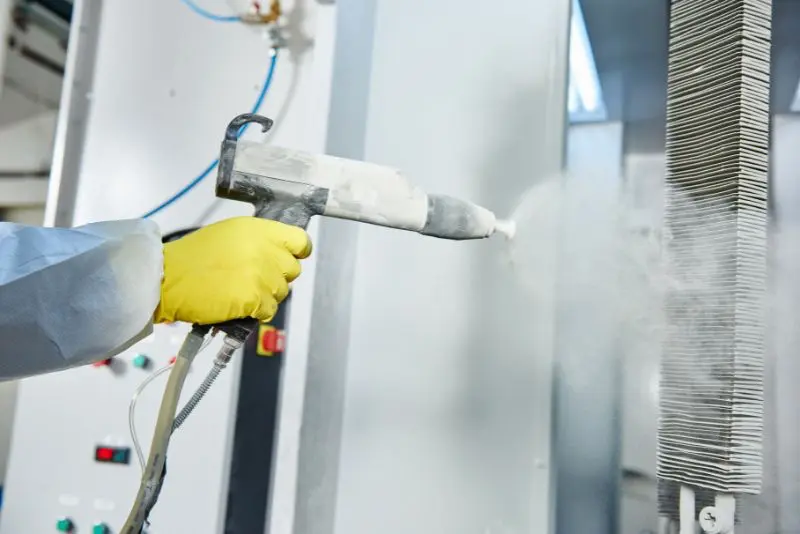
This versatile material acts as a flow control agent across a broad range of industrial and consumer product formulations. In coatings, adhesives, and sealants, it controls viscosity and prevents sagging.

It improves thixotropic behavior in both solvent-borne and waterborne systems. Rubber compounders incorporate it as a reinforcing filler and processing aid, contributing to dimensional stability in molded profiles.

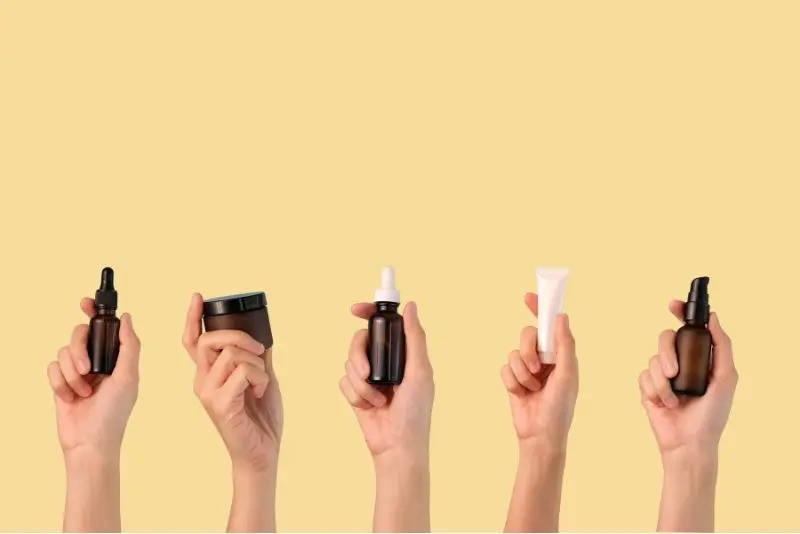
Food and personal care manufacturers use approved grades as an anti-caking agent and carrier in powdered products. This includes everything from seasoning blends to various pressed cosmetic powders.

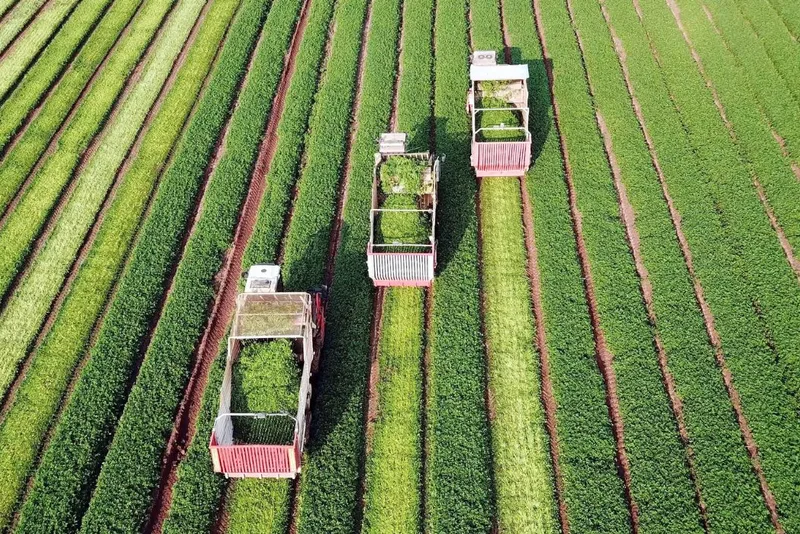
In agriculture, it functions as a flow conditioner in granular pesticide and fertilizer formulations. This reduces clumping during storage and handling to ensure consistent application in the field.

The product is supplied as a fine white powder in a range of particle sizes and surface area specifications. These are tailored to meet specific end-use performance requirements for various industries.

Food-grade material is available to FCC and E551 specifications for use in food and feed applications. These standards ensure the highest level of safety and compliance for consumers.

Technical and fumed grades are also commercially available for industrial coating, rubber, and polymer applications. These grades provide the necessary structural integrity for demanding manufacturing environments.

Contact us for supply of Vitreous silica

Request Quote

Physical Properties

Melting Point 1600-1602 °C
Boiling Point 2950 °C
Density 2.205 g/cm³
Appearance Amorphous silica, the noncrystalline form of SiO2, is a transparent to gray, odorless, amorphous powder
Color 965
Form rod ( 1 / 8 ")
Refractive Index n 20/D 1.544(lit.)

Safety & Handling (Learn More)

Warning GHS07 GHS08
Hazard Statements
H315 Causes skin irritation
H319 Causes serious eye irritation
H320 Causes eye irritation
H335 May cause respiratory irritation
H341 Suspected of causing genetic defects
H350 May cause cancer
H372 Causes damage to organs through prolonged or repeated exposure
H373 May causes damage to organs through prolonged or repeated exposure
Precautionary Statements
P203 Obtain, consult and follow expert instructions for use.
P260 Do not breathe dust/fume/gas/mist/vapours/spray.
P261 Avoid breathing dust/fume/gas/mist/vapours/spray.
P264 Wash … thoroughly after handling.
P270 Do not eat, drink or smoke when using this product.
P271 Use only outdoors or in a well-ventilated area.
P280 Wear protective gloves/protective clothing/eye protection/face protection.
P318 IF exposed or concerned, get medical advice.
P319 Get medical advice/attention if you feel unwell.
P321 Specific treatment (see … on this label).
P405 Store locked up.
P501 Dispose of contents/container in accordance with local regulations.
P264+P265 Wash … thoroughly after handling.
P302+P352 IF ON SKIN: Wash with plenty of water.
P304+P340 IF INHALED: Remove person to fresh air and keep comfortable for breathing.
P332+P317 Get emergency medical help.
P337+P317 If eye irritation persists: Get medical advice/attention. Get emergency medical help.
P362+P364 Take off contaminated clothing and wash it before reuse.
P403+P233 Store in a well-ventilated place. Keep container tightly closed.
P305+P351+P338 IF IN EYES: Rinse cautiously with water for several minutes. Remove contact lenses, if present and easy to do. Continue rinsing.

Trade & Regulatory

HS Code 28112200
WGK (Germany) 2

Documentation

Other Names

SILICON DIOXIDE|Silica|Silicic anhydride|Diatomaceous silica|Wessalon|Zorbax sil|Silica, amorphous|Silica, colloidal

Related Products

Need a chemical? Get a quote within 24 hours.

Call Request Quote