











Saponins

CAS Number
8047-15-2
EC Number
232-462-6
Chemical Formula
Unspecified
Molecular Weight
1131.3 g/mol
FEMA Number
FEMA 2973

Description

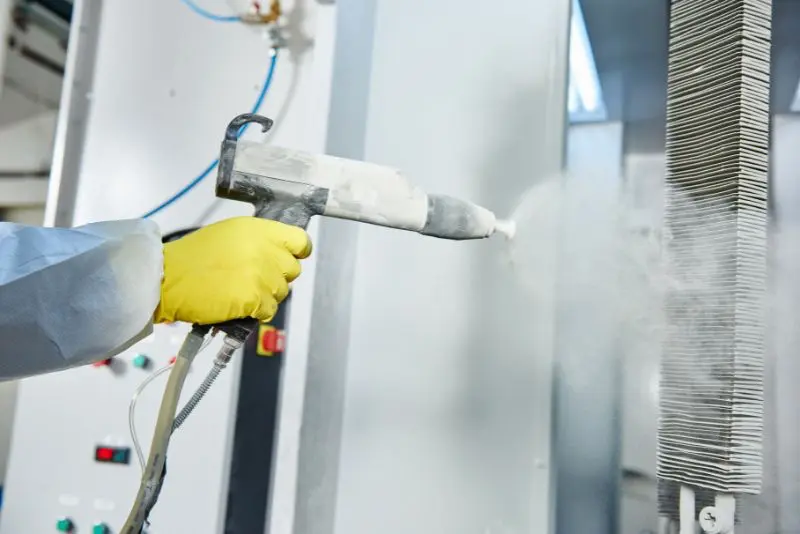
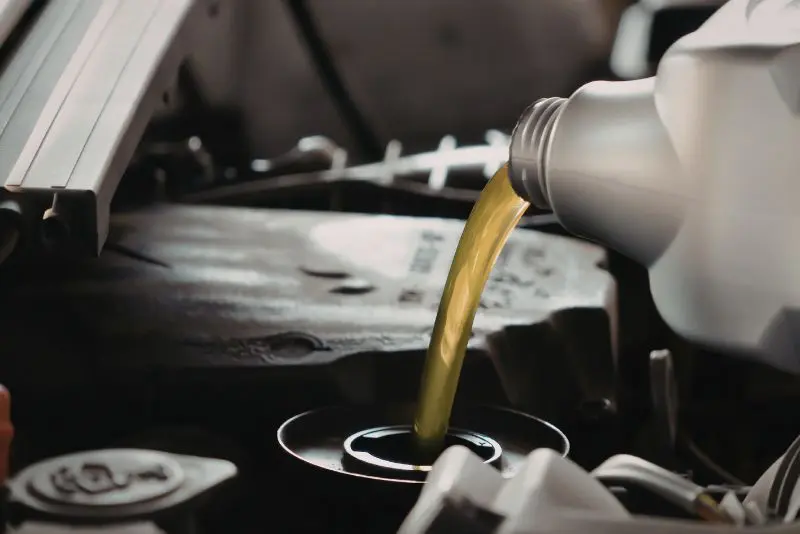
Saponins (CAS 8047-15-2), also known commercially as Saponine and Flogencyl, are naturally derived glycoside compounds extracted primarily from plant sources such as quillaja bark, yucca, and soapwort. In industry, they function as natural surfactants and emulsifiers, enabling stable dispersion of oil and water phases across food, cosmetic, and agricultural formulations.

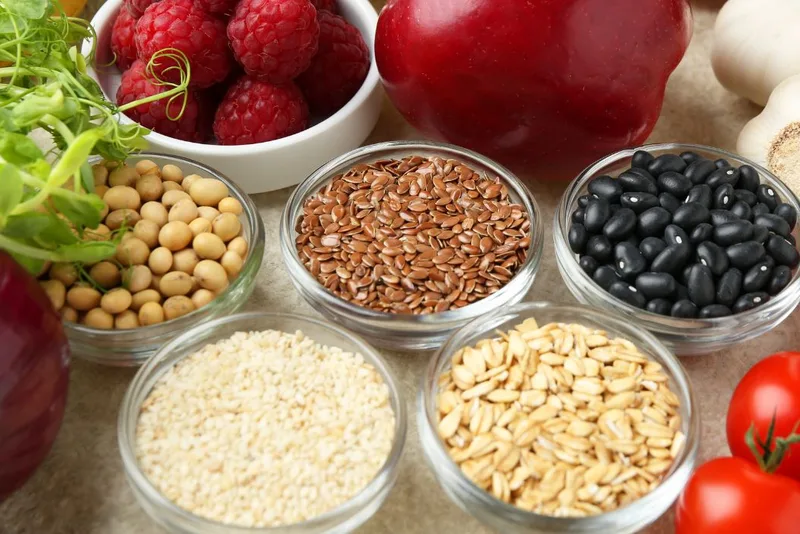
In food and beverage manufacturing, saponins are used to stabilize emulsions and foams in products such as soft drinks, beer, and confectionery coatings where a clean-label surfactant is required. Personal care formulators incorporate them into shampoos, cleansers, and natural cosmetics as a plant-based foaming and emulsifying agent for various consumer applications.

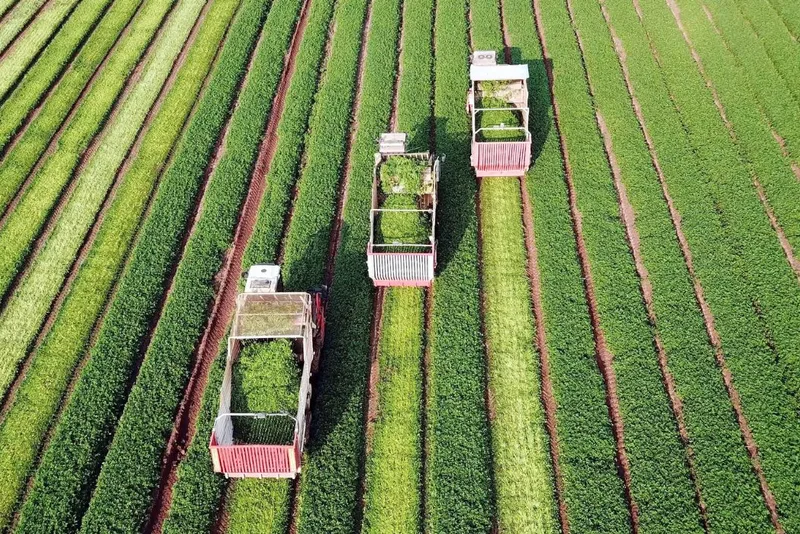
In pharmaceutical applications, saponins serve as adjuvants in vaccine formulations and as excipients in tablet coatings and herbal extract standardization for the medical industry. Agricultural producers use saponin-based formulations as natural wetting agents and adjuvants to improve pesticide uptake and soil penetration in large scale farming operations.

Saponins are supplied as a dry powder or spray-dried extract, with concentration typically expressed as a percentage of saponin content by assay for quality control. Food-grade and technical-grade specifications are both commercially available, with quillaja saponin extracts commonly meeting FCC requirements for use in beverages and standardized grades.

Other Names (Synonyms)

Saponine|RefChem:931265|Flogencyl|beta-Aescin|Saponin|Sapogenins, glycosides|Glycosides, sapogenin|GYNOSTEMMA P. (JIAOGULAN) EXTRACT

Key Technical Features

  • High Purity Grade standard
  • Consistent Batch Quality
  • Full Regulatory & REACH Support
  • Global Logistics Network enabled

Contact us for supply of Saponins

Request Quote

Physical Properties

Melting Point 158°C
Boiling Point 101.9°C[at 101 325 Pa]
Density 1.015-1.020 g/mL at 20 °C (5% in H 2 O)(lit.)
Appearance Light yellow powder
Color Yellow crystalline
Odor Odorless
Form Tan solid
Water Solubility Soluble in cold water.
Vapor Pressure 0.009Pa at 105℃
Log P -0.24 at 20℃

Safety & Handling (Learn More)

Warning
GHS07· Irritant GHS09· Environmental Hazard

Hazard Statements

H302 Harmful if swallowed
H319 Causes serious eye irritation
H332 Harmful if inhaled
H335 May cause respiratory irritation
H411 Toxic to aquatic life with long lasting effects

Precautionary Statements

P261 Avoid breathing dust/fume/gas/mist/vapours/spray.
P264 Wash … thoroughly after handling.
P270 Do not eat, drink or smoke when using this product.
P271 Use only outdoors or in a well-ventilated area.
P273 Avoid release to the environment.
P280 Wear protective gloves/protective clothing/eye protection/face protection.
P317 Get emergency medical help.
P319 Get medical advice/attention if you feel unwell.
P330 Rinse mouth.
P391 Collect spillage.
P405 Store locked up.
P501 Dispose of contents/container in accordance with local regulations.
P264+P265 Wash … thoroughly after handling.
P301+P317 Get emergency medical help.
P304+P340 IF INHALED: Remove person to fresh air and keep comfortable for breathing.
P337+P317 If eye irritation persists: Get medical advice/attention. Get emergency medical help.
P403+P233 Store in a well-ventilated place. Keep container tightly closed.
P305+P351+P338 IF IN EYES: Rinse cautiously with water for several minutes. Remove contact lenses, if present and easy to do. Continue rinsing.

Trade & Regulatory

HS Code 29389090
Storage Class 11 - Combustible Solids
WGK (Germany) 2

Documentation

Call Request Quote