

















Polyisoprene
Description
Polyisoprene (CAS 9003-31-0) is a synthetic or natural-derived polymer that replicates the structure of natural rubber, offering high elasticity and resilience for demanding rubber applications. Available in both natural and synthetic forms, it is used across rubber compounding, adhesives, and polymer blending where controlled elastic performance is required for industrial use.
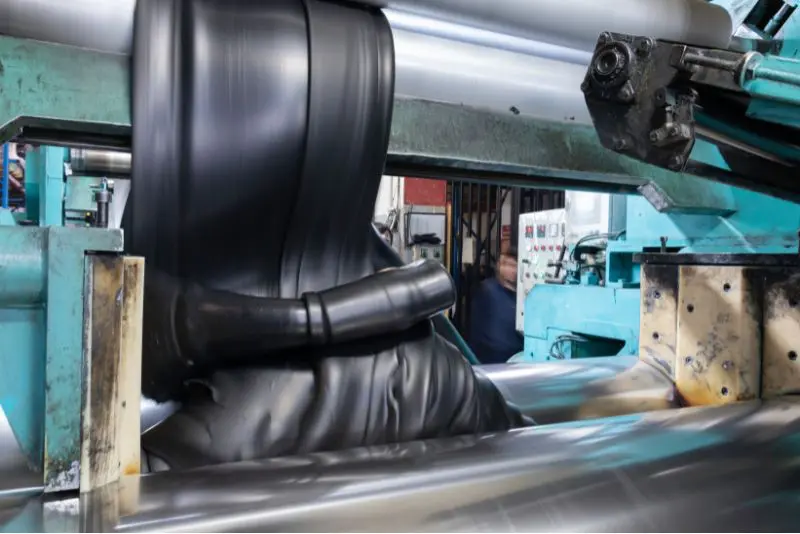
In tire manufacturing, it is compounded into tread and sidewall formulations where consistent tensile strength and flex fatigue resistance are critical to meeting the product specification. Medical and industrial glove producers use it as a latex-free alternative to natural rubber, meeting the purity requirements of healthcare and cleanroom environments for safety and hygiene.
Adhesive formulators incorporate it into pressure-sensitive and hot-melt systems to control tack, peel strength, and the rheological profile of the final adhesive product during application. In polymer blending, it functions as a softening and rheology-modifying component, adjusting the flow and mechanical behavior of thermoplastic compounds for various manufacturing processes.
Polyisoprene is supplied as baled solid, crumb, or pelletized rubber for synthetic grades, and as concentrated latex or dry bales for natural-derived material for easy processing. Standard grades include technical rubber grades differentiated by Mooney viscosity, as well as pharmaceutical-grade synthetic polyisoprene meeting USP and ISO specifications for medical devices.
Other Names (Synonyms)
1,3-Butadiene, 2-methyl-, homopolymer|Isoprene, polymers|Isoprene polymer|Betaprene H
Key Technical Features
- High Purity Grade standard
- Consistent Batch Quality
- Full Regulatory & REACH Support
- Global Logistics Network enabled