









Polypropylene
Description
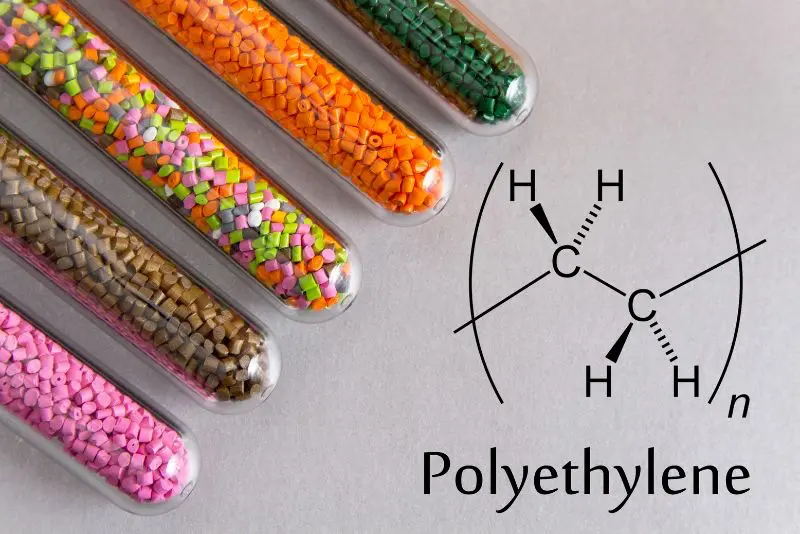
Polypropylene (CAS 9003-07-0), commonly abbreviated as PP and approved as E1130, is a thermoplastic polymer produced from propylene monomer. It functions as a structural and functional base material across packaging, automotive, textile, and construction manufacturing. In these sectors, its processability and chemical resistance drive material selection decisions. In packaging, PP is extruded or injection-molded into rigid containers, caps, closures, and oriented films for food and consumer goods.
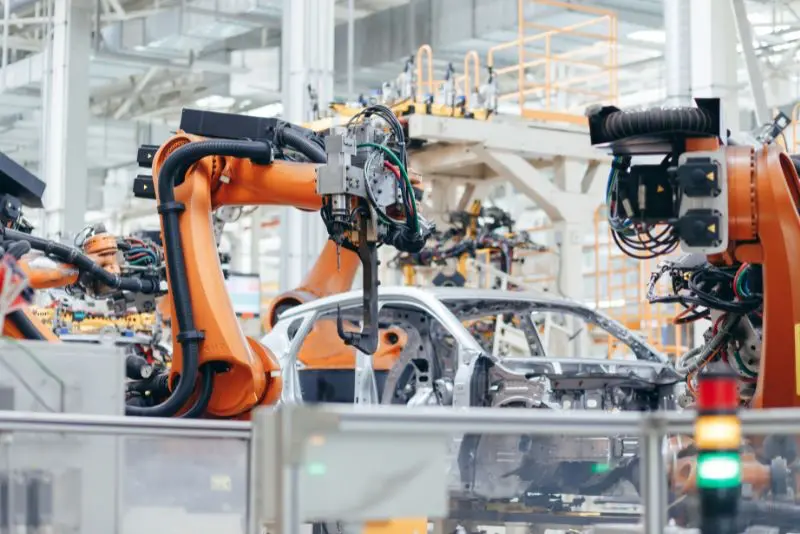
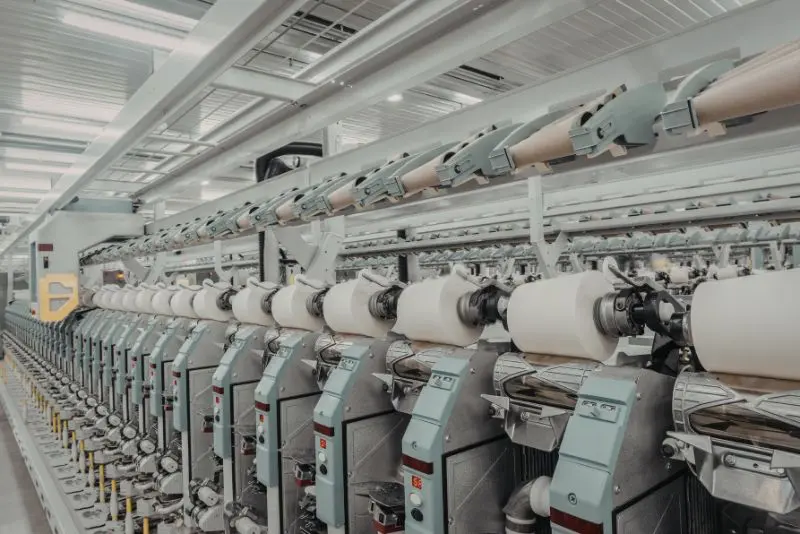
Automotive manufacturers use it in bumpers, interior trim, and under-hood components. These parts are often compounded with fillers or reinforcements to meet specific load and temperature requirements for the automotive industry. In textiles, PP fiber is spun into nonwoven fabrics for hygiene products, geotextiles, and industrial filtration media. Construction applications include pipes, fittings, and roofing membranes where long-term resistance is needed.
Chemical and moisture resistance are procurement priorities for these infrastructure projects. Polypropylene is supplied as pellets, granules, powder, and fiber, depending on the specific downstream process required by the client. Standard commercial grades include homopolymer, random copolymer, and impact copolymer, each targeting different stiffness and toughness profiles. Food-contact and medical grades are available to meet regulatory standards.
These grades meet FDA, EU, and pharmacopeial compliance requirements for regulated end-use markets. Our supply chain ensures high quality standards such as USP, Ph.Eur., BP, EP, and FCC are met for specialized applications.
Other Names (Synonyms)
1-Propene, homopolymer|Polypropylene Fiber|PP|E1130
Key Technical Features
- High Purity Grade standard
- Consistent Batch Quality
- Full Regulatory & REACH Support
- Global Logistics Network enabled