









Polypropylene glycol
Description
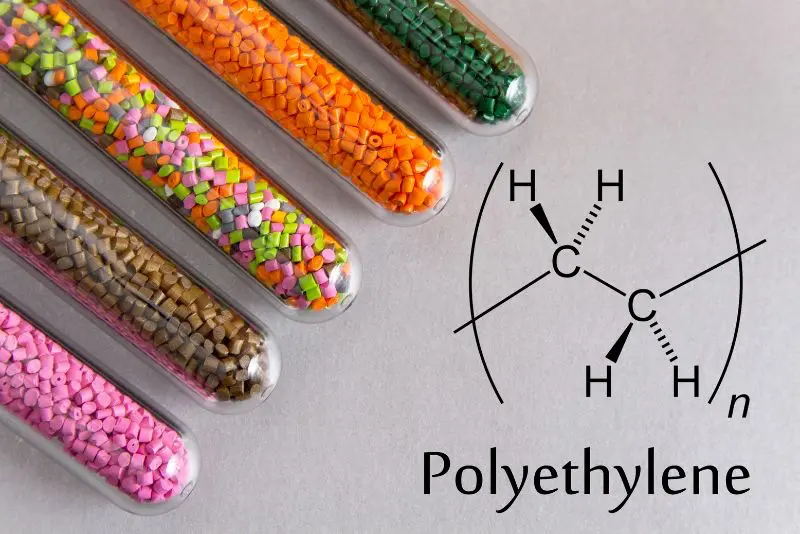
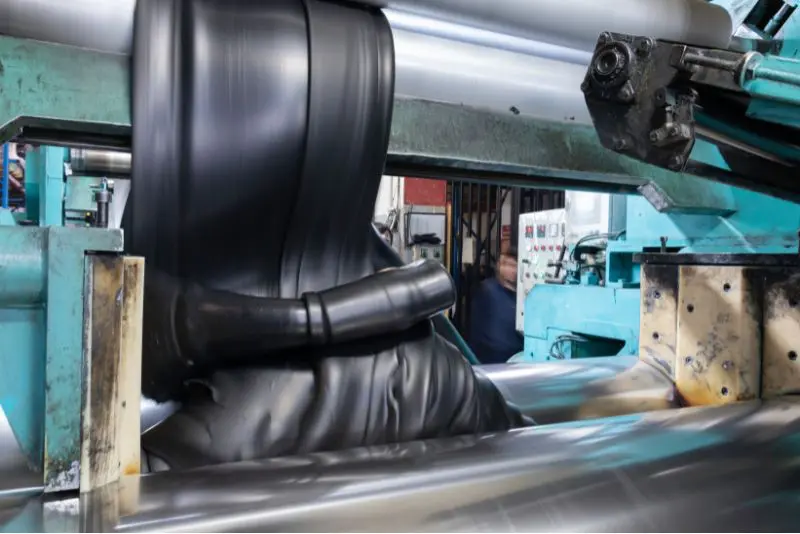
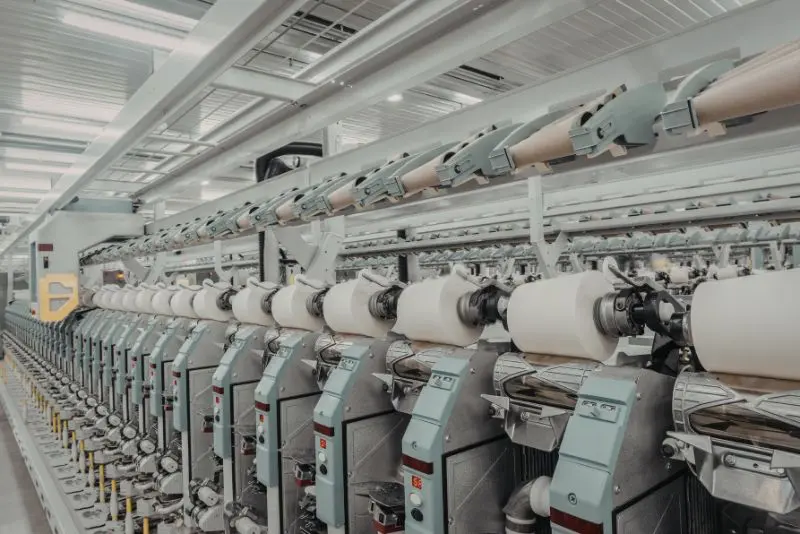
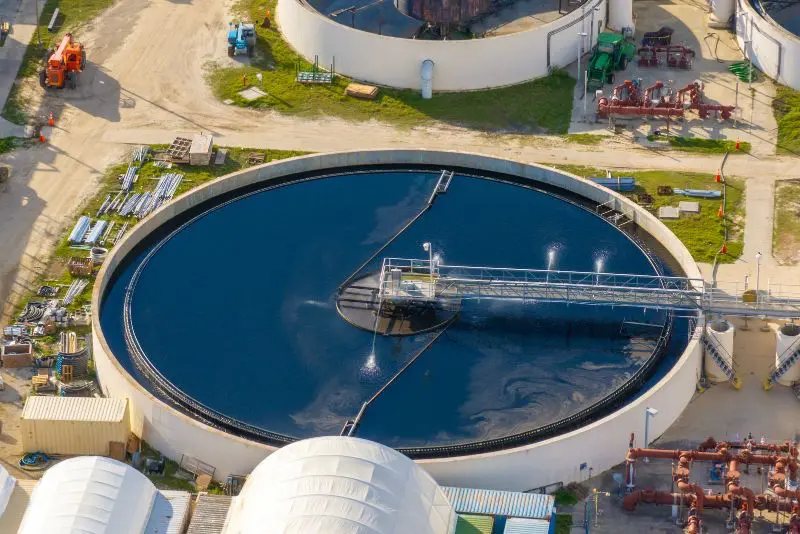
Polypropylene glycol (CAS 25322-69-4), commonly known as PPG, is a synthetic polyether diol produced by ring-opening polymerization of propylene oxide. It is available across a broad molecular weight range. It functions as a humectant, solvent, plasticizer, and lubricant base across multiple industrial sectors. In polyurethane manufacturing, PPG serves as a key polyol building block for flexible foams and rigid insulation panels.
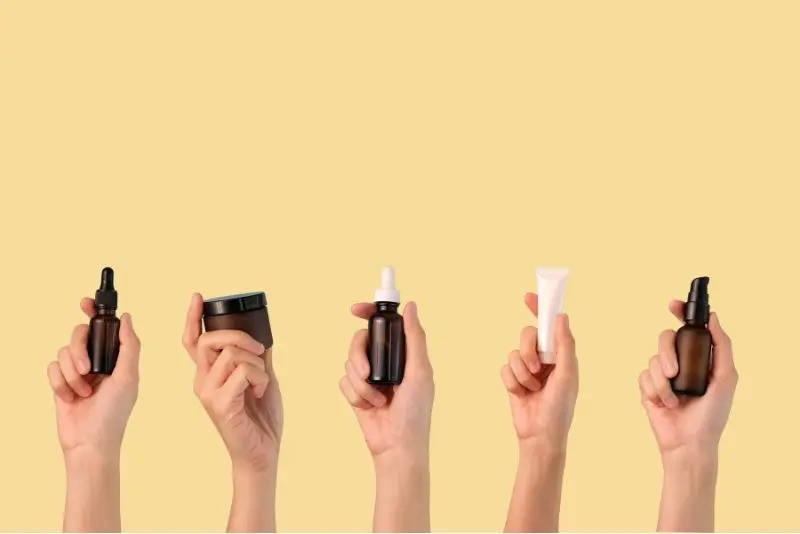
It is also used in elastomers and coatings, where molecular weight selection directly determines the final polymer's hardness and flexibility. Personal care formulators incorporate it as a humectant and carrier. It is found in skin creams, hair conditioners, and antiperspirants, where its low skin irritation profile supports broad formulation compatibility. Industrial lubricant producers use it as a base fluid and anti-foam agent.
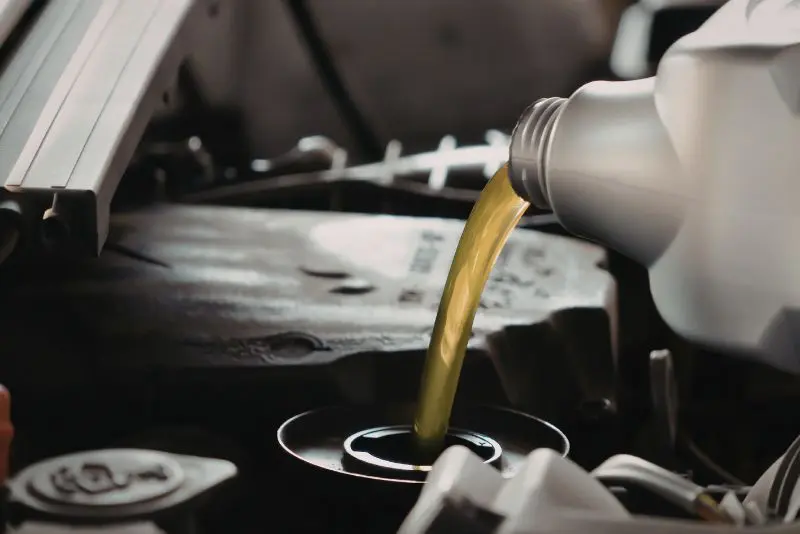
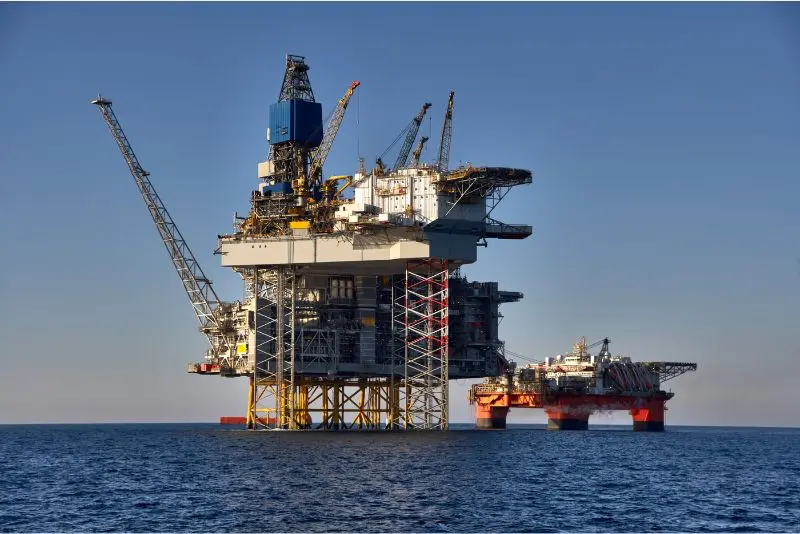
It is utilized in hydraulic fluids, gear oils, and cutting fluids, particularly where water solubility is operationally advantageous. In home care, it acts as a solvent and viscosity modifier in degreasers and detergents. PPG is supplied as a clear liquid in a range of molecular weights, typically from 400 to 4000 Da. Grade selection is driven by application viscosity requirements and specific industrial needs.
Industrial, cosmetic, and USP grades are commercially available to meet various regulatory requirements. Bulk supply is standard in drums and IBC containers for large-scale manufacturing operations.
Other Names (Synonyms)
PPG|Poly[oxy(methyl-1,2-ethanediyl)], α-hydro-ω-hydroxy-|Glycols, polypropylene|P 400|Pluracol 2010|Poly(oxypropylene) glycol
Key Technical Features
- High Purity Grade standard
- Consistent Batch Quality
- Full Regulatory & REACH Support
- Global Logistics Network enabled