













Neopentyl glycol
Description
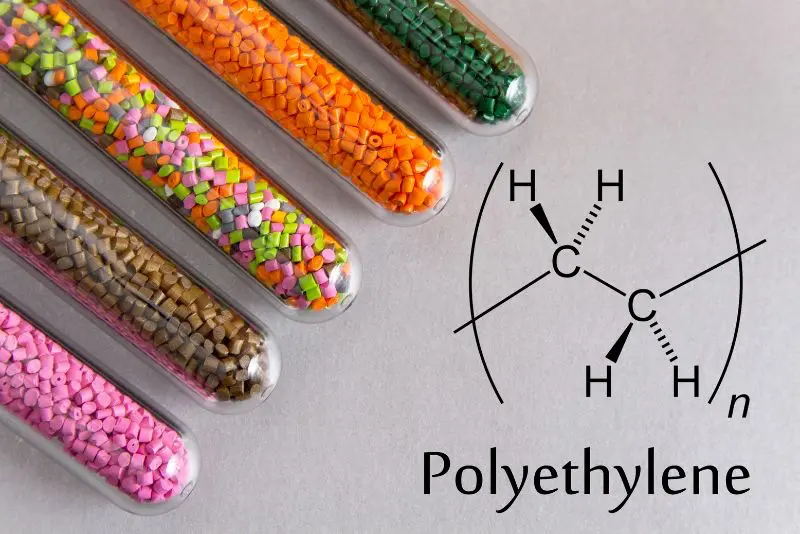
Neopentyl glycol (CAS 126-30-7), commonly abbreviated as NPG, is a diol monomer used as a foundational building block in polymer and resin synthesis. Its symmetrical structure resists hydrolysis and oxidation, giving finished materials improved durability. This chemical is a key factor for formulators specifying long-life coatings and resins. NPG is a primary raw material in alkyd, polyester, and polyurethane resin production, where it improves weatherability and chemical resistance.
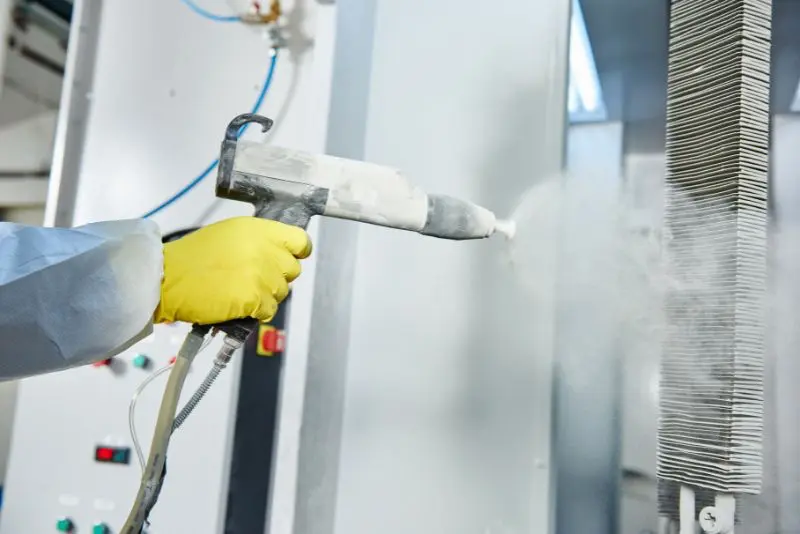
In industrial and architectural coatings, it provides essential stability. In printing inks, it contributes to binder systems that require adhesion stability across various substrates and challenging exposure conditions. Adhesive and sealant manufacturers use NPG-based polyesters to achieve flexible yet durable bond lines. These are frequently utilized in construction and automotive assemblies to ensure long-term structural integrity.
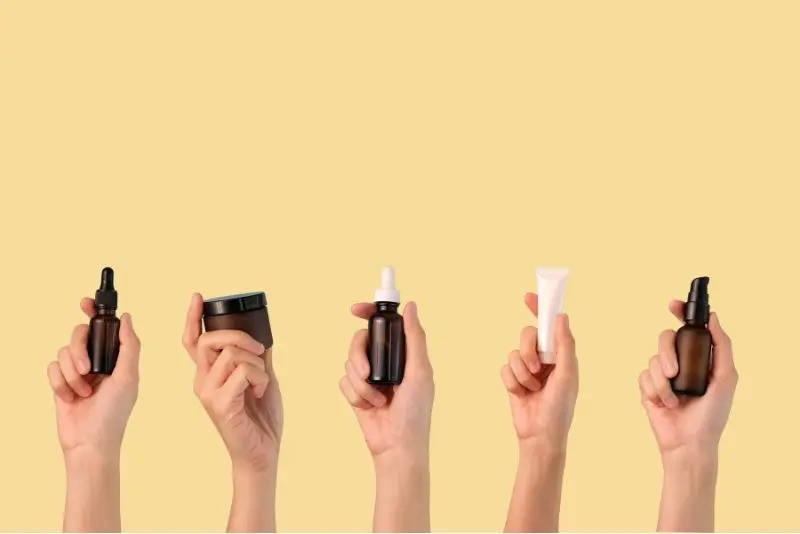
Personal care formulators incorporate it as a humectant and solvent carrier in emollients. Its low irritation profile supports use in skin-contact products, making it a versatile choice for cosmetic applications. The product is supplied as white crystalline flakes or powder, with molten liquid form available for bulk industrial shipments. Standard commercial grades include technical and polymer-grade specifications.
These grades are perfectly suited to resin and coating production. Cosmetic-grade material meeting relevant purity thresholds is also available for personal care applications requiring high-quality standards.
Other Names (Synonyms)
2,2-Dimethylpropane-1,3-diol|2,2-DIMETHYL-1,3-PROPANEDIOL|1,3-Propanediol, 2,2-dimethyl-|Neopentylene glycol|Neol|NPG
Key Technical Features
- High Purity Grade standard
- Consistent Batch Quality
- Full Regulatory & REACH Support
- Global Logistics Network enabled