












Polyisobutene
Description
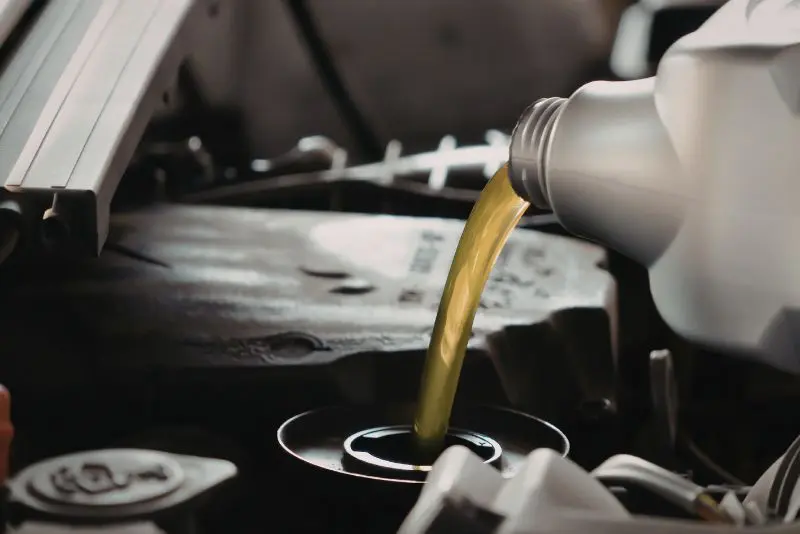
Polyisobutene (CAS 9003-27-4), also known as polyisobutylene or PIB, is a synthetic hydrocarbon polymer produced by the polymerization of isobutylene. Across lubricant, sealant, and polymer processing industries, it functions as a viscosity modifier. It acts as a plasticizer and tackifier depending on the specific molecular weight grade selected for the application. In lubricant and gear oil formulations, high-molecular-weight PIB acts as a viscosity index improver.
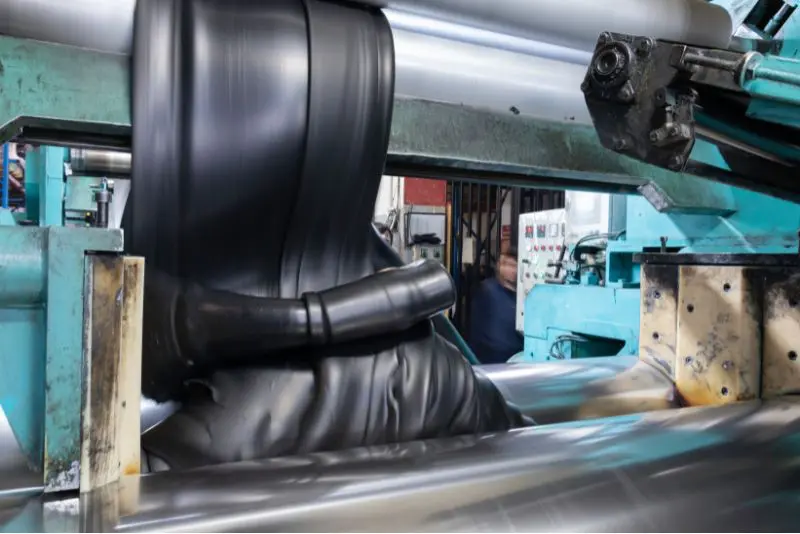
It serves as a base fluid component, extending film strength under load. Rubber compounders incorporate mid-range grades as a softening and processing aid, improving flexibility and reducing hardness in finished seals. It is also used in gaskets and profiles. In automotive sealants and adhesives, PIB provides long-term tackiness and resistance to gas permeation, making it a preferred binder in various butyl-based formulations.
Low-molecular-weight grades are used as plasticizers in polyolefin blends, improving melt flow and surface finish in extruded and injection-molded parts. Polyisobutene is supplied as a viscous liquid or semi-solid. Viscosity and molecular weight determine the commercial grade. Standard grades are differentiated by number-average molecular weight, typically ranging from low (300 to 1,000 Mn) to high (above 50,000 Mn).
Food-contact and pharmaceutical-grade PIB meeting FCC and USP specifications is available for applications requiring regulatory compliance. These grades ensure safety and quality for sensitive industrial uses.
Other Names (Synonyms)
Polyisobutylene
Key Technical Features
- High Purity Grade standard
- Consistent Batch Quality
- Full Regulatory & REACH Support
- Global Logistics Network enabled