











Polyvinyl butyral
Description
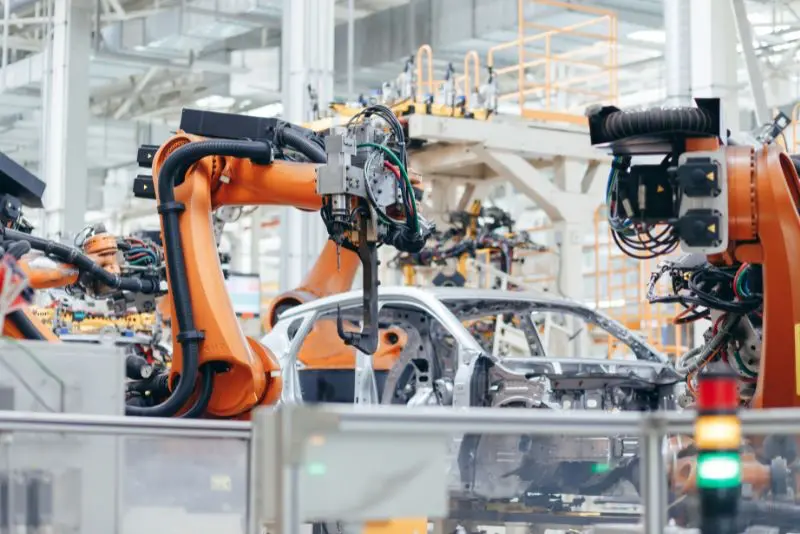
Polyvinyl butyral (CAS 68648-78-2), commonly abbreviated as PVB, is a thermoplastic resin produced by reacting polyvinyl alcohol with butyraldehyde. It is a primary binder in safety glass interlayers and architectural coatings. This resin is essential for specialty adhesive systems where strong substrate adhesion and film flexibility are required. In automotive and architectural glazing, PVB film is laminated between glass panes to produce safety glass.
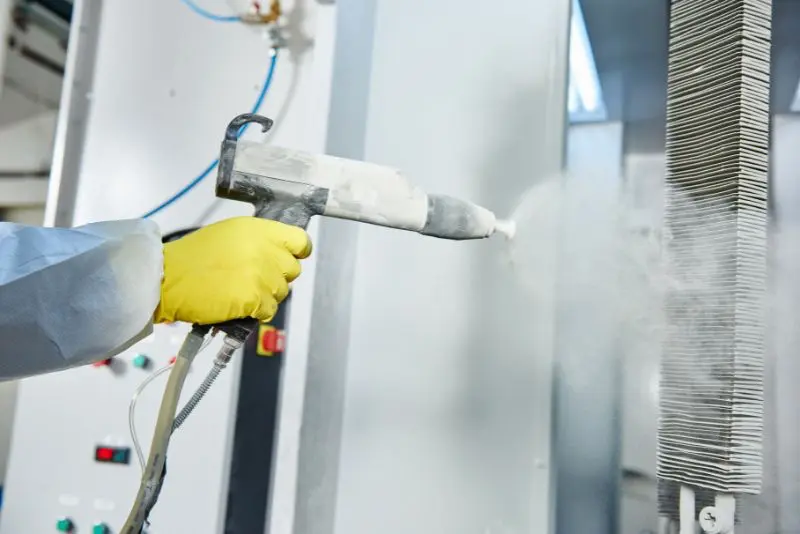
The material holds fragments together on impact, ensuring safety in various applications. Coatings formulators use it as a binder in wash primers and metal primers, where its adhesion to bare metal surfaces is critical. This property reduces the need for surface pretreatment in industrial settings. In the printing industry, PVB resins are incorporated into gravure and screen printing inks, particularly for decorating glass, ceramics, and foils.
Aerospace structural adhesives and specialty sealants also rely on PVB for its performance. It offers excellent compatibility with phenolic and epoxy crosslinkers during the curing process in high-performance environments. PVB is supplied as a white to off-white powder in varying molecular weights and degrees of acetalization. These factors directly affect viscosity and adhesion performance in specific chemical formulations.
Technical and industrial grades are the standard commercial forms available for purchase. Grade selection is typically driven by hydroxyl content and viscosity specifications required for the final application. Bulk and bag packaging are both available to support large-scale coating and laminating operations. This ensures efficient logistics for manufacturers requiring consistent resin quality for their production lines.
Other Names (Synonyms)
Acetic acid ethenyl ester, polymer with ethenol, cyclic acetal with butanal|Poly(vinyl alcohol-co-vinyl acetate), acetalized with butyraldehyde
Key Technical Features
- High Purity Grade standard
- Consistent Batch Quality
- Full Regulatory & REACH Support
- Global Logistics Network enabled