
















Methyl acrylate
Description
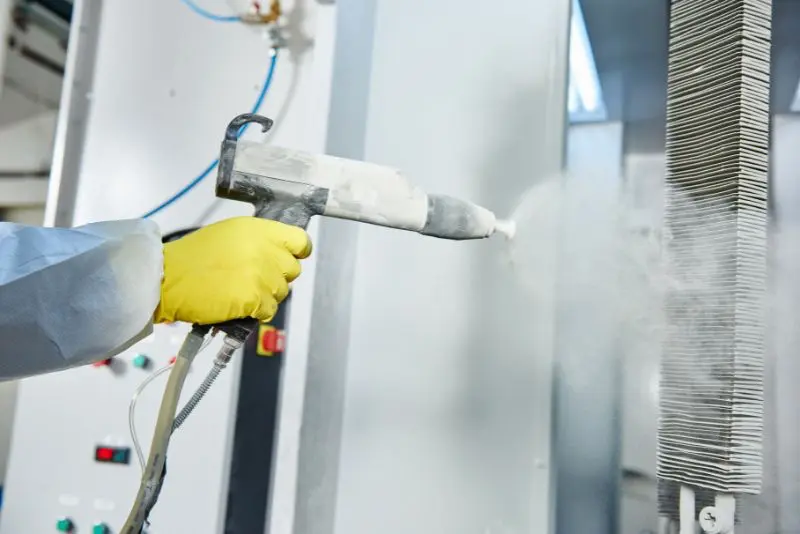
Methyl acrylate (CAS 96-33-3) is a reactive ester monomer used as a building block in the production of acrylic polymers and copolymers. It enables formulators to tune the flexibility, adhesion, and film-forming characteristics of polymer systems. In coatings and paints, it is copolymerized with other acrylates or vinyl monomers to produce binders that balance hardness and elongation in architectural and industrial finishes. This versatility makes it essential for modern chemical manufacturing.
Adhesive and sealant manufacturers incorporate it into pressure-sensitive and structural formulations where controlled tack and cohesive strength are required. These properties ensure high performance in demanding industrial bonding applications. Textile and leather processors use methyl acrylate-based polymers as finishing agents that improve fabric hand, durability, and surface uniformity. These treatments provide superior resistance to wear and environmental factors during use.
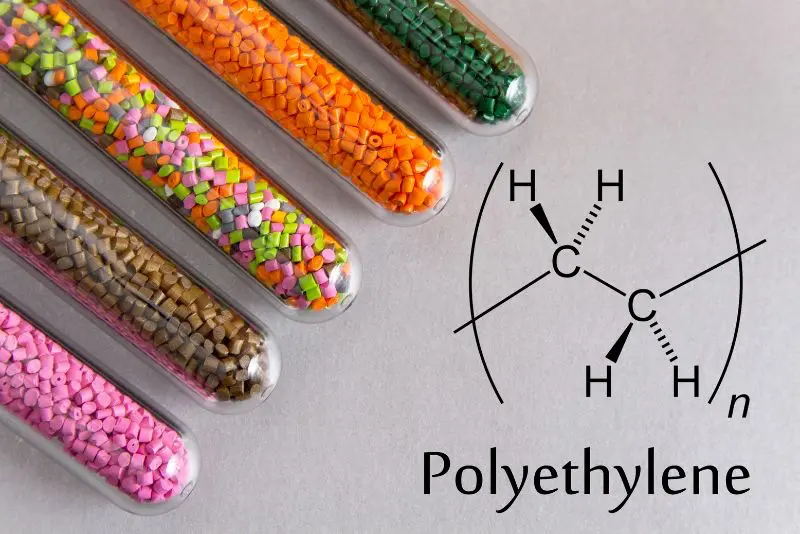
In plastics compounding, it functions as a comonomer in the synthesis of impact modifiers and specialty resins used in packaging films and molded components. This helps improve the mechanical properties of the final plastic products. The product is supplied as a clear, inhibited liquid, typically stabilized with MEHQ to prevent premature polymerization during storage and transport. Maintaining stability is critical for ensuring the quality and safety of the monomer.
It is available in technical and polymerization grades, with purity levels commonly at 99% or higher to meet industrial requirements. Standard packaging includes drums, IBCs, and bulk isotanks for large-volume procurement needs.
Other Names (Synonyms)
Methyl propenoate|Methyl ester of acrylic acid|Methyl prop-2-enoate|2-Propenoic acid, methyl ester|Methyl 2-propenoate|Methyl-acrylat|Acrylic acid methyl ester|MA.
Key Technical Features
- High Purity Grade standard
- Consistent Batch Quality
- Full Regulatory & REACH Support
- Global Logistics Network enabled