




Styrene
Description
Styrene (CAS 100-42-5), also known as vinylbenzene, is a reactive liquid monomer that forms the chemical backbone of a broad range of synthetic polymers and resins. At trace levels, it also carries FEMA 3233 status as a recognized flavoring agent. Its primary commercial value lies in polymerization, converting into materials for plastics and coatings.
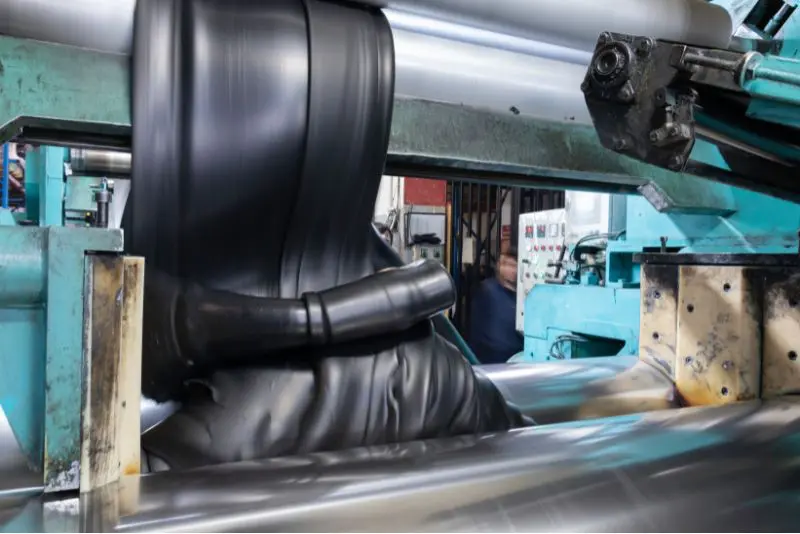
Polystyrene and expanded polystyrene (EPS) production account for the largest share of industrial consumption, supplying rigid packaging, insulation board, and disposable foodservice items. In coatings and adhesives, styrene copolymerizes with acrylates or butadiene to build binders with controlled hardness. Styrene-butadiene rubber (SBR) and latex systems depend on it as a core monomer.
These systems are essential for sealants, carpet backing, and pressure-sensitive adhesives. At food-grade purity, it is used in controlled trace quantities as a flavoring ingredient in approved formulations. Styrene is supplied as an inhibited liquid, typically stabilized with 4-tert-butylcatechol (TBC) to prevent premature polymerization during storage and transit.
Standard commercial grades include technical-grade and polymer-grade, with purity specifications commonly at 99.5% or higher. Food-grade material meeting FCC standards is available.
Other Names (Synonyms)
Vinyl-Benzene|Styrolene|styrol|styrene monomer|Phenyl-Ethylene|Ethenylbenzene, 9CI|Ethenyl-Benzene|Cinnamol
Key Technical Features
- High Purity Grade standard
- Consistent Batch Quality
- Full Regulatory & REACH Support
- Global Logistics Network enabled