





Ethylene glycol
Description
Ethylene glycol (CAS 107-21-1), commonly traded as MEG or monoethylene glycol, is a dihydric alcohol used across industrial manufacturing as an antifreeze agent, solvent, and polymer building block. Its low freezing point depression and high boiling point make it a primary functional ingredient in heat transfer and coolant systems. Demand is driven largely by polyester fiber and PET resin production.
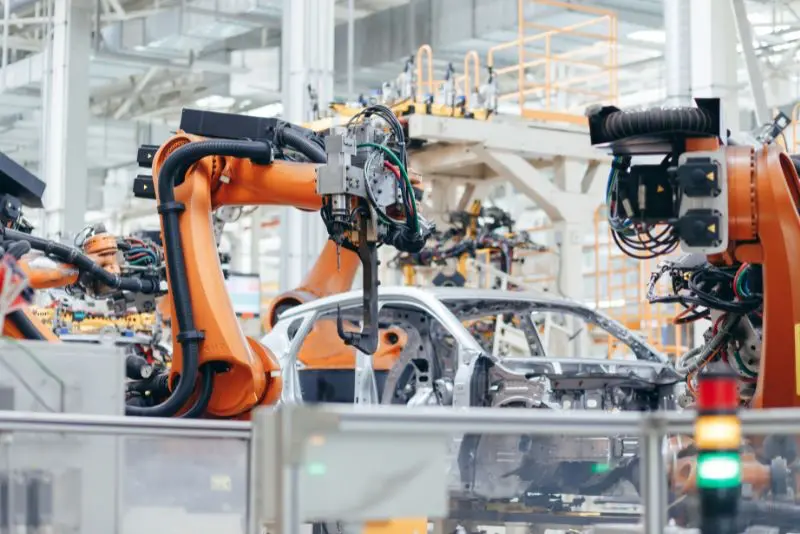
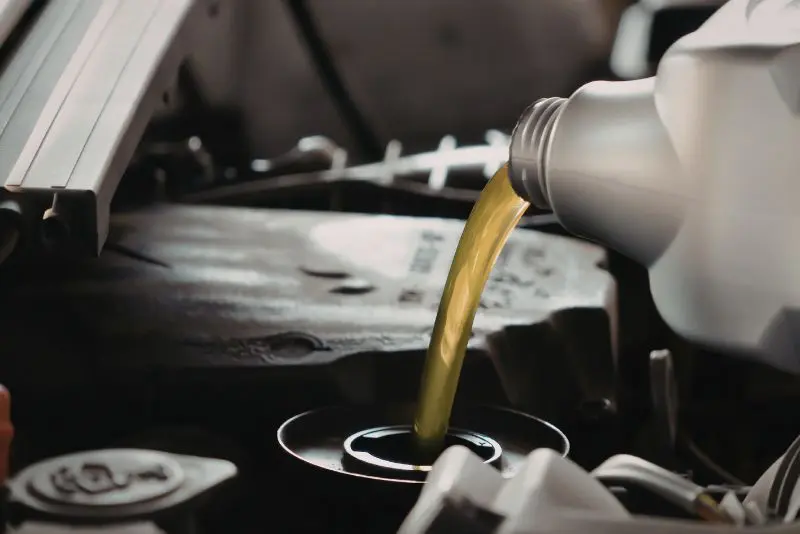
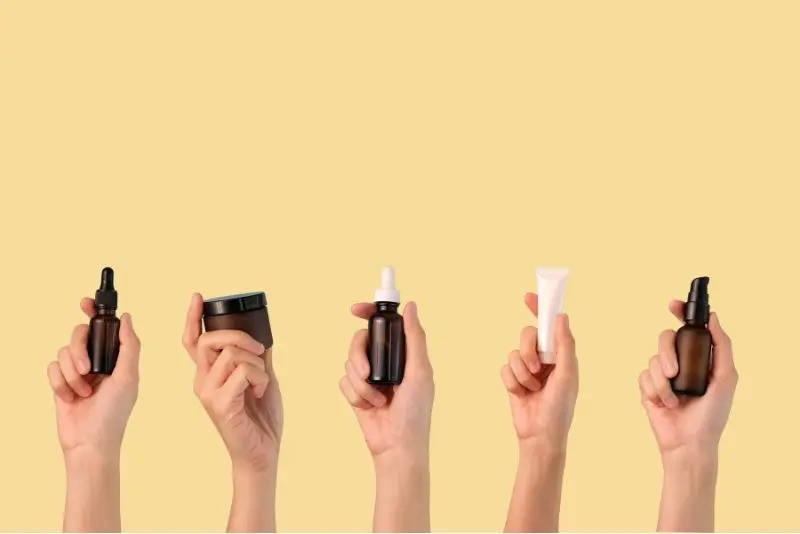
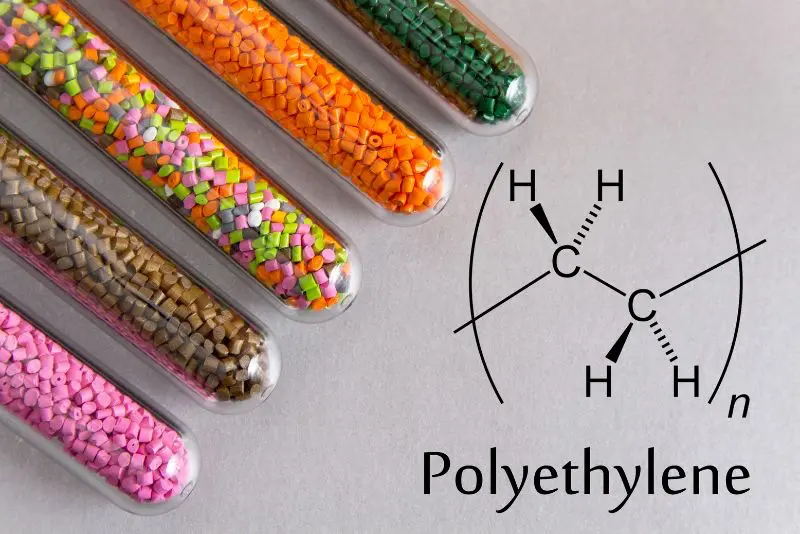
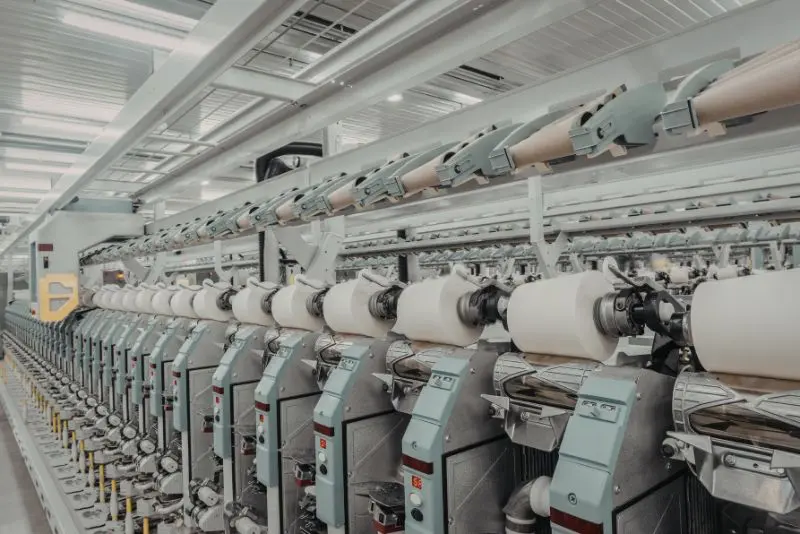
In the automotive and HVAC sectors, MEG is the base component in engine coolants and antifreeze formulations, protecting systems across wide temperature ranges. It acts as a core monomer in these processes. Polyester manufacturers consume it at scale as a co-monomer in PET bottle-grade resin, packaging film, and textile fiber production. In personal care, it functions as a humectant and solvent in lotions.
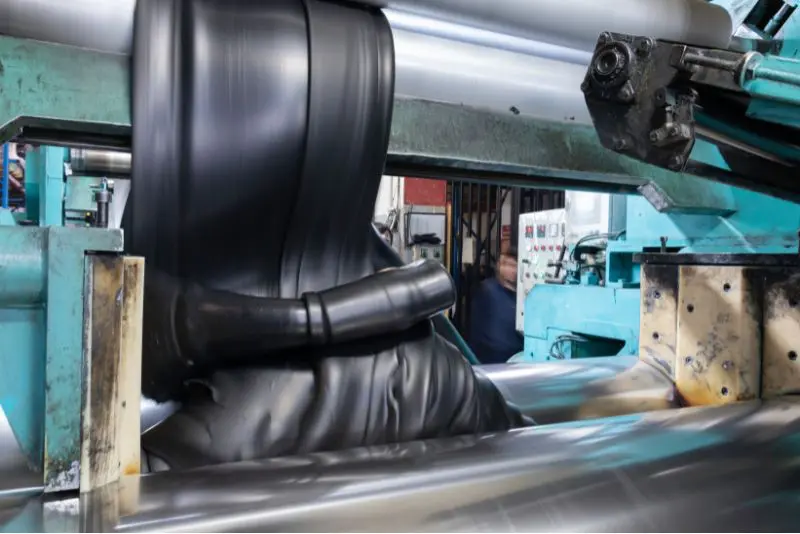
It is also used in creams and hair care formulations where moisture retention and ingredient solubility are required. Paper and leather processing operations use it as a conditioning and softening agent. These applications improve the flexibility and workability of finished materials. Ethylene glycol is supplied as a clear, low-viscosity liquid in bulk tankers, IBC containers, and drums for global distribution.
Standard commercial grades include technical-grade for industrial and polymer applications, and fiber-grade MEG meeting purity specifications required by polyester producers for high-quality manufacturing. Antifreeze-grade and inhibited formulations are also available for direct use in coolant applications. Our supply chain ensures consistent availability and adherence to rigorous industrial safety protocols.
Other Names (Synonyms)
monoethylene glycol|glycol alcohol|ethylene alcohol|ethane-1,2-diol|2-hydroxyethanol|1,2-ethanediol|1,2-dihydroxyethane|glycol|MEG|E600
Key Technical Features
- High Purity Grade standard
- Consistent Batch Quality
- Full Regulatory & REACH Support
- Global Logistics Network enabled