

















Acetylacetone
Description
Acetylacetone (CAS 123-54-6), also known as Hacac or acac, is a beta-diketone solvent and chelating agent used across chemical manufacturing, coatings, and catalyst production. Its ability to form stable metal complexes drives demand in synthesis and formulation workflows where precise metal coordination is required for high-performance industrial applications.
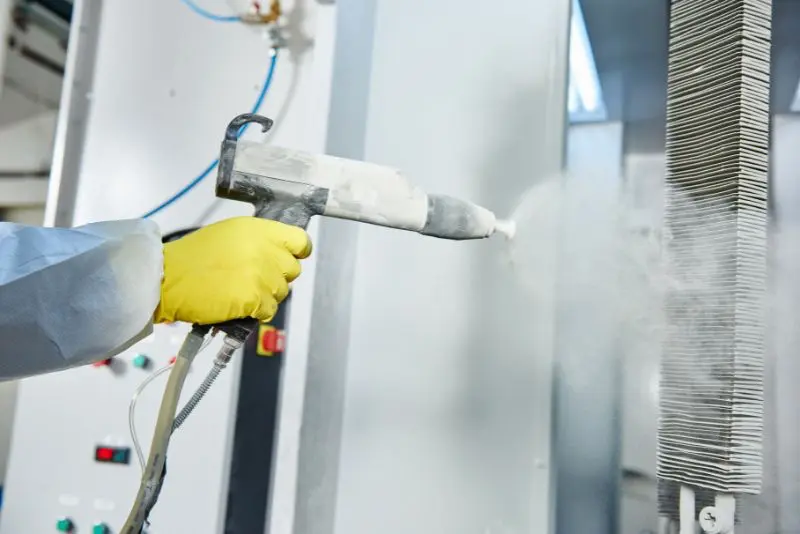
In catalyst manufacturing, acac coordinates with metals such as vanadium, cobalt, and zirconium to produce metal acetylacetonate precursors used in polymerization and cross-linking systems. Printing ink and coating formulators use it as a cross-linking agent and solvent carrier, improving adhesion and cure performance in various commercial packaging applications.
Pharmaceutical manufacturers rely on it as a building block in active ingredient synthesis, where controlled reactivity with metal centers supports consistent intermediate production. At lower concentrations, it functions as a flavoring agent in food-grade applications, providing a creamy, buttery note to confectionery and beverage formulations for the food industry.
Acetylacetone is supplied as a clear liquid in drum and IBC quantities, with bulk tanker options available for high-volume industrial buyers requiring consistent supply chains. Standard commercial grades include technical and reagent-grade specifications. A food-grade designation is available for flavoring applications where purity documentation is required by audits.
Other Names (Synonyms)
pentane-2,4-dione|pentan-2,4-dione|Hacac|CH3-CO-CH2-CO-CH3|acetyl 2-propanone|2,4-pentanedione|2,4-pentadione|2,4-dioxopentane|acac
Key Technical Features
- High Purity Grade standard
- Consistent Batch Quality
- Full Regulatory & REACH Support
- Global Logistics Network enabled