















2,4-dihydroxybenzophenone
Description
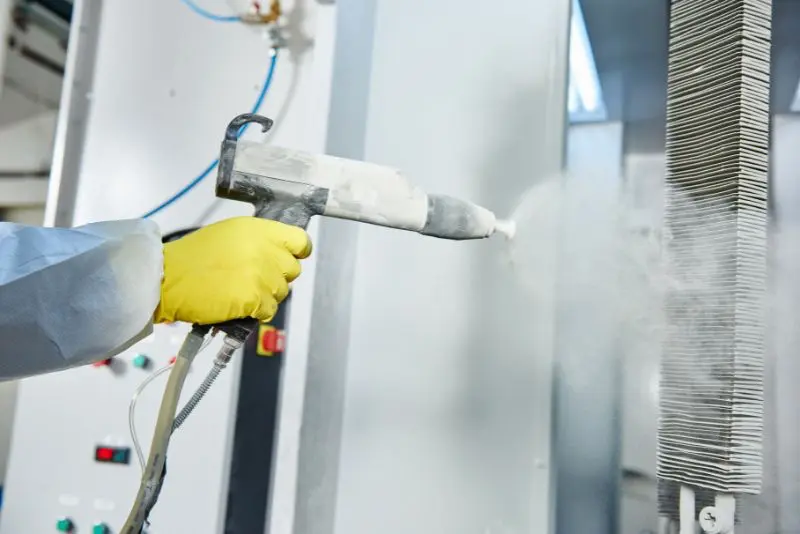
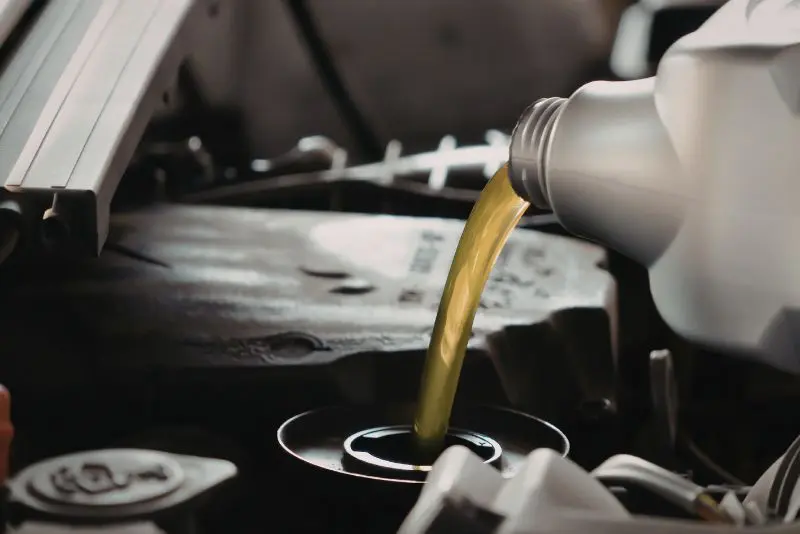
2,4-Dihydroxybenzophenone (CAS 131-56-6), also known commercially as Uvinul 400 and abbreviated as DHBP, is a UV absorber used to protect polymers, coatings, and personal care formulations from photodegradation. It functions by absorbing UV radiation in the 280–340 nm range, preventing premature breakdown of the host material. In coatings and industrial paints, DHBP is incorporated to extend the service life of exterior finishes.
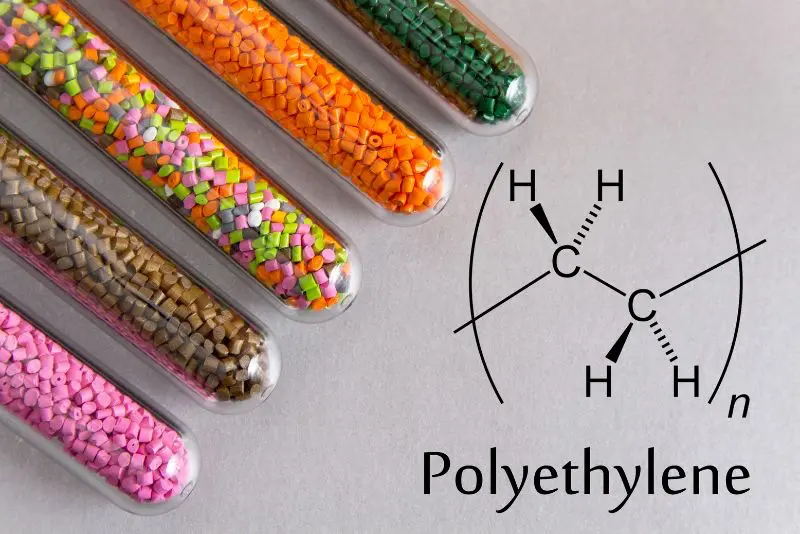
By blocking UV-induced yellowing and chalking, it maintains the integrity of the surface. Plastics manufacturers add it to polyolefins, PVC, and engineering resins where long-term outdoor durability is a requirement. In printing inks and packaging films, it stabilizes colorants and substrates against UV fading during storage and end use. This ensures that the visual quality of the packaging remains consistent over time.
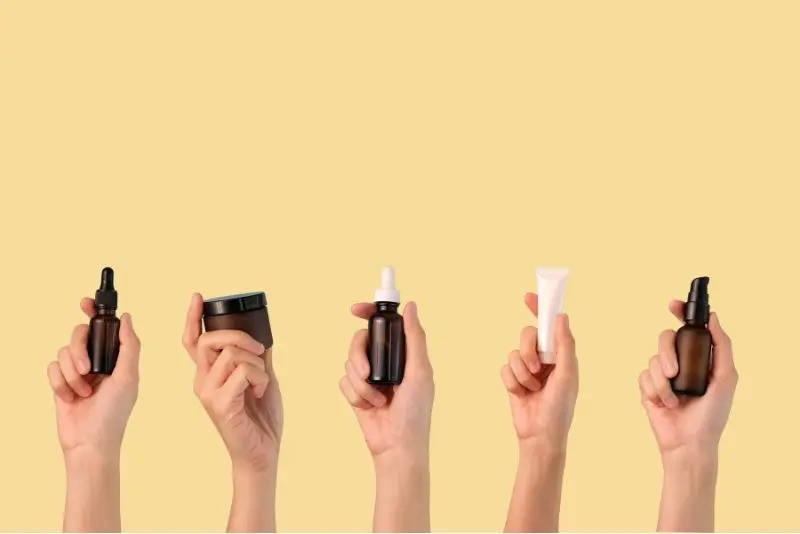
Personal care formulators use DHBP as a UV filter in sunscreens and hair care products. It also functions as a photoinitiator and cross-linking agent in UV-curable adhesive and sealant systems. 2,4-Dihydroxybenzophenone is supplied as a pale yellow to off-white crystalline powder. Technical and industrial grades are the standard commercial forms, with purity levels typically at 99% or higher.
Cosmetic-grade material meeting relevant regulatory specifications is available for personal care applications. This high-purity material ensures safety and efficacy when used in consumer-facing formulations.
Other Names (Synonyms)
(2,4-dihydroxyphenyl)(phenyl)methanone|Inhibitor DHBP|Uvinul 400|Advastab 48|Uvistat 12|Quinsorb 010|Syntase 100|Methanone, (2,4-dihydroxyphenyl)phenyl-|DHBP
Key Technical Features
- High Purity Grade standard
- Consistent Batch Quality
- Full Regulatory & REACH Support
- Global Logistics Network enabled