















SoleChem

Titanium dioxide

CAS
1317-80-2
EC
215-282-2
Mol. Weight
79.866 g/mol

Description

Titanium dioxide (CAS 1317-80-2), commonly abbreviated as TiO2, is a high-performance white pigment and UV-blocking agent used across coatings, plastics, cosmetics, and construction materials.

The rutile form dominates commercial supply due to its superior opacity and weathering resistance. Procurement is driven primarily by whiteness index, particle size, and surface treatment specifications.

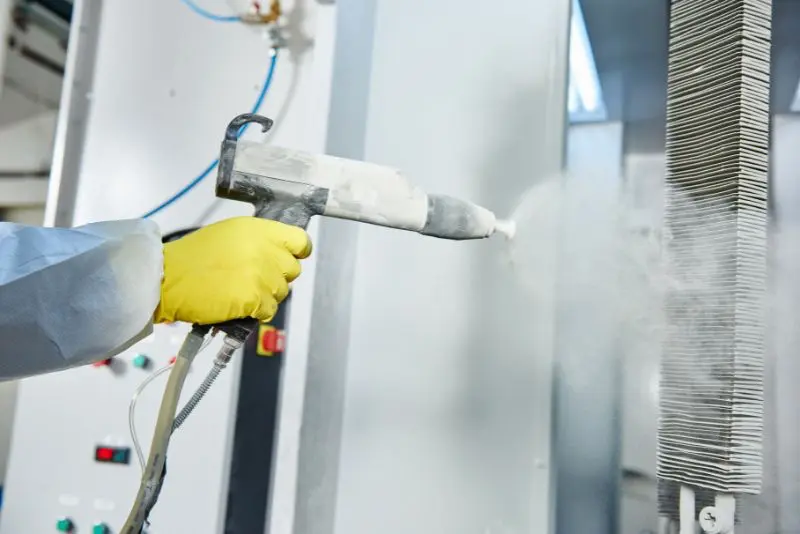
In architectural and industrial coatings, TiO2 delivers hiding power and durability, directly determining the coverage rate and exterior performance of paints and primers.

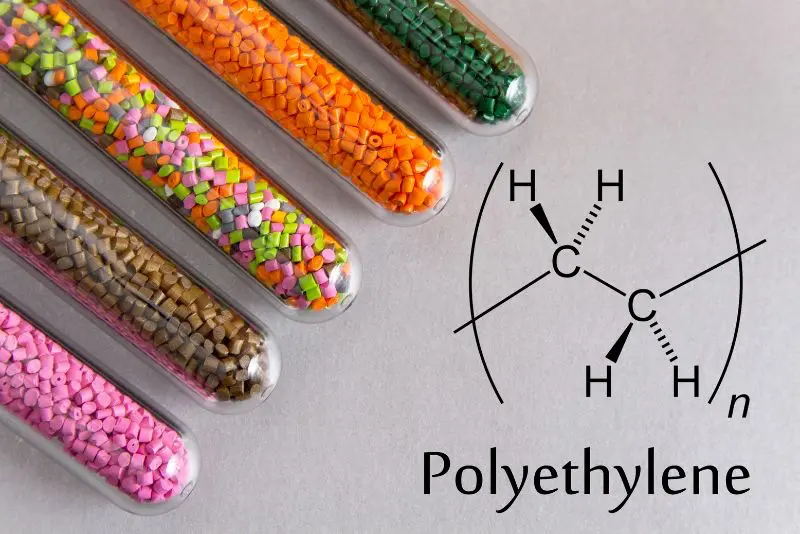
Plastics and polymer compounders incorporate it to achieve opacity and UV stabilization in films, pipes, and packaging materials. Personal care formulators use it in sunscreens.

In color cosmetics, it acts as a physical UV filter and white pigment. In paper and textile manufacturing, it improves brightness and opacity for paper coatings and synthetic fiber delusterants.

TiO2 is supplied as a fine white powder in rutile and anatase crystal forms, with rutile grades accounting for the majority of industrial demand for chemical manufacturers.

Surface-treated grades coated with alumina, silica, or organic treatments are standard for coatings and plastics applications, while uncoated grades serve specialty uses.

Common specifications include technical grade, cosmetic grade, and food-contact compliant grades meeting relevant regulatory standards for global distribution and safety.

Contact us for supply of Titanium dioxide

Request Quote

Physical Properties

Melting Point 1843 °C
Boiling Point 2900 °C
Density 4.25 g/cm³ (solid)
Flash Point 2500-3000°C
Color White
Form powder
Water Solubility Soluble in hot concentrated sulfuric acid, in hydrofluoric acid and alkali. Insoluble in water.
pH <1

Safety & Handling (Learn More)

Warning GHS08 GHS07
Hazard Statements
H320 Causes eye irritation
H335 May cause respiratory irritation
H351 Suspected of causing cancer
H372 Causes damage to organs through prolonged or repeated exposure
H413 May cause long lasting harmful effects to aquatic life
Precautionary Statements
P203 Obtain, consult and follow expert instructions for use.
P260 Do not breathe dust/fume/gas/mist/vapours/spray.
P261 Avoid breathing dust/fume/gas/mist/vapours/spray.
P264 Wash … thoroughly after handling.
P270 Do not eat, drink or smoke when using this product.
P271 Use only outdoors or in a well-ventilated area.
P273 Avoid release to the environment.
P280 Wear protective gloves/protective clothing/eye protection/face protection.
P318 IF exposed or concerned, get medical advice.
P319 Get medical advice/attention if you feel unwell.
P405 Store locked up.
P501 Dispose of contents/container in accordance with local regulations.
P264+P265 Wash … thoroughly after handling.
P304+P340 IF INHALED: Remove person to fresh air and keep comfortable for breathing.
P337+P317 If eye irritation persists: Get medical advice/attention. Get emergency medical help.
P403+P233 Store in a well-ventilated place. Keep container tightly closed.
P305+P351+P338 IF IN EYES: Rinse cautiously with water for several minutes. Remove contact lenses, if present and easy to do. Continue rinsing.

Trade & Regulatory

HS Code 28230000
Storage Class 13 - Non Combustible Solids

Documentation

Other Names

Rutile (TiO2)|dioxotitanium|Rutile|TiO2

Related Products

Need a chemical? Get a quote within 24 hours.

Call Request Quote