















SoleChem

Chromium trioxide

Pigments & Colorants Water Treatment
CAS
1333-82-0
EC
215-607-8
Mol. Weight
99.994 g/mol

Description

Chromium trioxide (CAS 1333-82-0), also known as chromic trioxide, is a strong inorganic oxidizing agent used primarily in metal surface treatment and electroplating processes. It delivers controlled oxidation and surface activation across a range of industrial finishing operations.

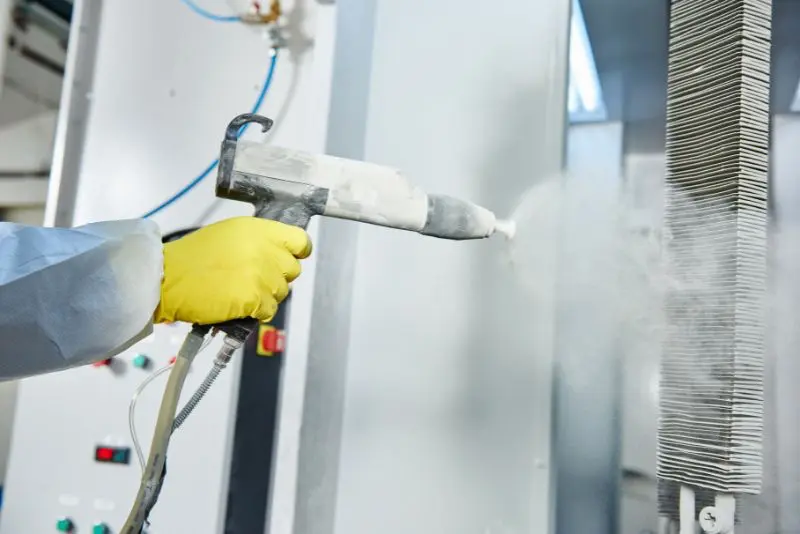
In hard chrome electroplating, it forms the electrolyte bath that deposits wear-resistant chromium coatings on industrial components, tooling, and hydraulic parts. Metal surface treatment operations use it to create conversion coatings.

These coatings improve corrosion resistance and paint adhesion on aluminum and steel substrates. The leather industry applies it in chrome tanning processes, where it fixes hides and produces durable, consistent leather for footwear and upholstery.

In specialty printing and packaging, it functions as an oxidizing agent in the production of certain pigments and surface-etching applications. This chemical is supplied as dark red flakes or granules for various industrial uses.

Liquid chromic acid solutions are also available for direct process use. Technical grade is the standard commercial form, with purity levels typically at 99% or higher for electroplating and surface treatment applications.

Packaging is available in drums and bulk quantities, with strict regulatory compliance documentation required. This is due to its classification as a substance of very high concern under REACH regulations.

Contact us for supply of Chromium trioxide

Request Quote

Physical Properties

Melting Point 197 °C
Boiling Point 330 °C
Density 2.70 g/cm³
Flash Point 250°C
Appearance Chromium trioxide is a dark-red crystalline substance. It is odorless
Color Reddish-violet
Form macroporous
Water Solubility Highly soluble
Vapor Pressure 0Pa at 25℃
pH <1 (100g/l, H2O, 20℃)

Safety & Handling (Learn More)

Danger GHS03 GHS05 GHS06 GHS07 GHS08 GHS09
Hazard Statements
H271 May cause fire or explosion; strong Oxidizer
H272 May intensify fire; oxidizer
H290 May be corrosive to metals
H301 Toxic if swallowed
H310 Fatal in contact with skin
H311 Toxic in contact with skin
H312 Harmful in contact with skin
H314 Causes severe skin burns and eye damage
H317 May cause an allergic skin reaction
H318 Causes serious eye damage
H330 Fatal if inhaled
H334 May cause allergy or asthma symptoms or breathing difficulties if inhaled
H335 May cause respiratory irritation
H340 May cause genetic defects
H341 Suspected of causing genetic defects
H350 May cause cancer
H360 May damage fertility or the unborn child
H361 Suspected of damaging fertility or the unborn child
H370 Causes damage to organs
H372 Causes damage to organs through prolonged or repeated exposure
H400 Very toxic to aquatic life
H410 Very toxic to aquatic life with long lasting effects
Precautionary Statements
P203 Obtain, consult and follow expert instructions for use.
P210 Keep away from heat, hot surfaces, sparks, open flames and other ignition sources. No smoking.
P220 Keep away from clothing and other combustible materials.
P233 Keep container tightly closed.
P234 Keep only in original packaging.
P260 Do not breathe dust/fume/gas/mist/vapours/spray.
P261 Avoid breathing dust/fume/gas/mist/vapours/spray.
P262 Do not get in eyes, on skin, or on clothing.
P264 Wash … thoroughly after handling.
P270 Do not eat, drink or smoke when using this product.
P271 Use only outdoors or in a well-ventilated area.
P272 Contaminated work clothing should not be allowed out of the workplace.
P273 Avoid release to the environment.
P280 Wear protective gloves/protective clothing/eye protection/face protection.
P283 Wear fire-resistant/flame-retardant clothing.
P284 In case of inadequate ventilation wear respiratory protection.
P316 Get emergency medical help immediately.
P317 Get emergency medical help.
P318 IF exposed or concerned, get medical advice.
P319 Get medical advice/attention if you feel unwell.
P320 Specific treatment is urgent (see … on this label).
P321 Specific treatment (see … on this label).
P330 Rinse mouth.
P363 Wash contaminated clothing before reuse.
P390 Absorb spillage to prevent material damage.
P391 Collect spillage.
P403 Store in a well-ventilated place.
P405 Store locked up.
P406 Store in a corrosion-resistant/… container with a resistant inner liner.
P420 Store away from other materials.
P501 Dispose of contents/container in accordance with local regulations.
P264+P265 Wash … thoroughly after handling.
P301+P316 Get emergency medical help immediately.
P302+P352 IF ON SKIN: Wash with plenty of water.
P304+P340 IF INHALED: Remove person to fresh air and keep comfortable for breathing.
P306+P360 IF ON CLOTHING: Rinse immediately contaminated clothing and skin with plenty of water before removing clothes.
P308+P316 Get emergency medical help immediately.
P333+P317 Get emergency medical help.
P342+P316 Get emergency medical help immediately.
P361+P364 Take off immediately all contaminated clothing and wash it before reuse.
P362+P364 Take off contaminated clothing and wash it before reuse.
P370+P378 Use … for extinction.
P403+P233 Store in a well-ventilated place. Keep container tightly closed.
P301+P330+P331 Rinse mouth. Do NOT induce vomiting.
P302+P361+P354 IF ON SKIN: Take off immediately all contaminated clothing. Rinse skin with water/shower.
P305+P354+P338 IF IN EYES: Rinse cautiously with water for several minutes. Remove contact lenses, if present and easy to do. Continue rinsing.
P371+P380+P375 Evacuate area.

Trade & Regulatory

HS Code 28191000
UN Number 1463
ADR Class 5.1
Packing Group II
Storage Class 5.1A - Strongly oxidizing hazardous materials
WGK (Germany) 3

Documentation

Other Names

red oxide of chromium|monochromium trioxide|chromic trioxide|chromic oxide|chromic anhydride|anhydride chromique|Chromium(VI) oxide|CrO3

Related Products

Need a chemical? Get a quote within 24 hours.

Call Request Quote