
















Chromium
Description
Chromium (CAS 7440-47-3), also commercially referenced as Chrome, is a hard transition metal sourced primarily through ferrochrome production and used across metallurgy, surface finishing, and catalysis. Its exceptional hardness and corrosion resistance make it a foundational input in alloy manufacturing and industrial coating processes. In steelmaking, chromium is alloyed to produce stainless and tool steels.
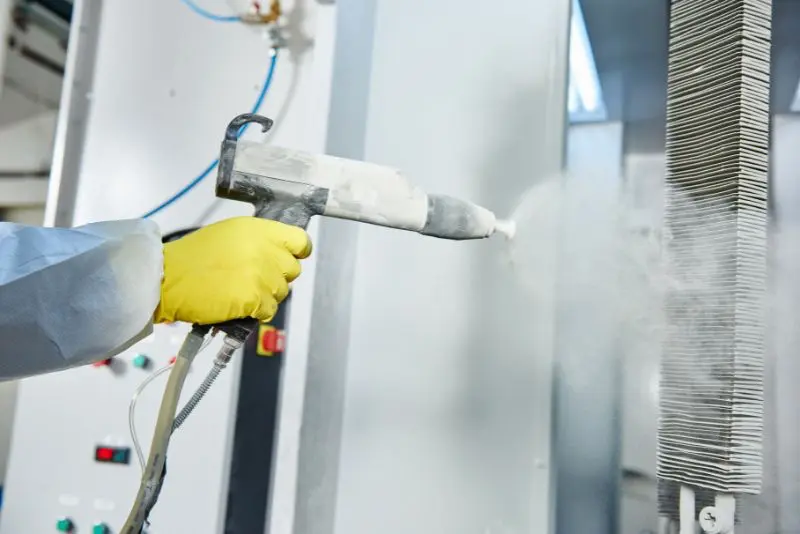
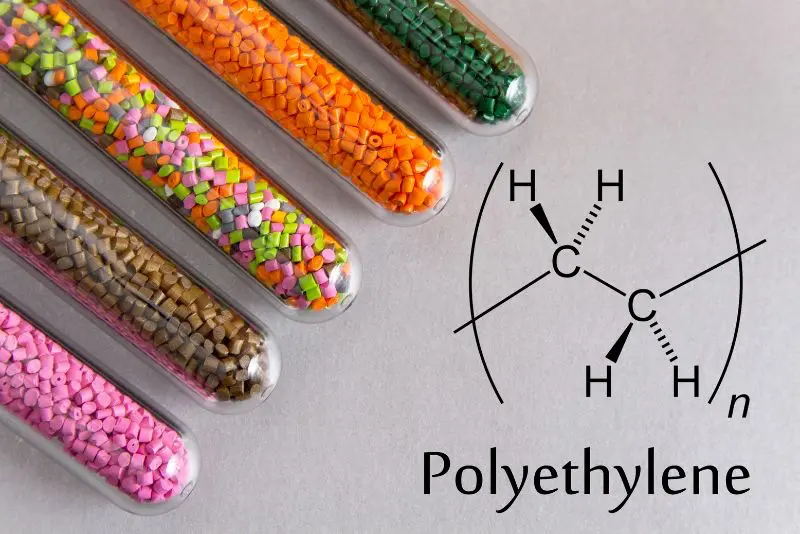
This metal determines corrosion resistance thresholds and mechanical performance grades. Electroplating operations deposit chromium onto metal and plastic substrates to deliver hard, wear-resistant surfaces for hardware. These applications are vital for automotive, aerospace, and industrial components. In catalysis, chromium-based compounds derived from elemental chromium function as precursors for polymerization and dehydrogenation catalysts.
These catalysts are used extensively in petrochemical processing. Chromium also enters pigment manufacturing as a feedstock for chromium oxide and chromate-based colorants used in coatings and ceramics. Specialty inks also utilize these pigments for high-performance applications. Chromium is supplied as electrolytic flakes, lumps, or powder, with purity levels ranging from technical grade to high-purity grades.
Material exceeding 99.5% Cr is available for specialized needs. Aluminothermic and electrolytic production routes yield material suited to different downstream specifications for sensitive alloy applications. These include low-iron and low-sulfur variants. Bulk quantities are standard for metallurgical buyers, with smaller packaging available for catalyst and chemical synthesis applications.
Other Names (Synonyms)
element 24|24Cr|Chrome|Chromium metal|Chrom|Chromium, elemental|Dinakrome|BioChrome
Key Technical Features
- High Purity Grade standard
- Consistent Batch Quality
- Full Regulatory & REACH Support
- Global Logistics Network enabled