
















Nickel sulfamate
Description
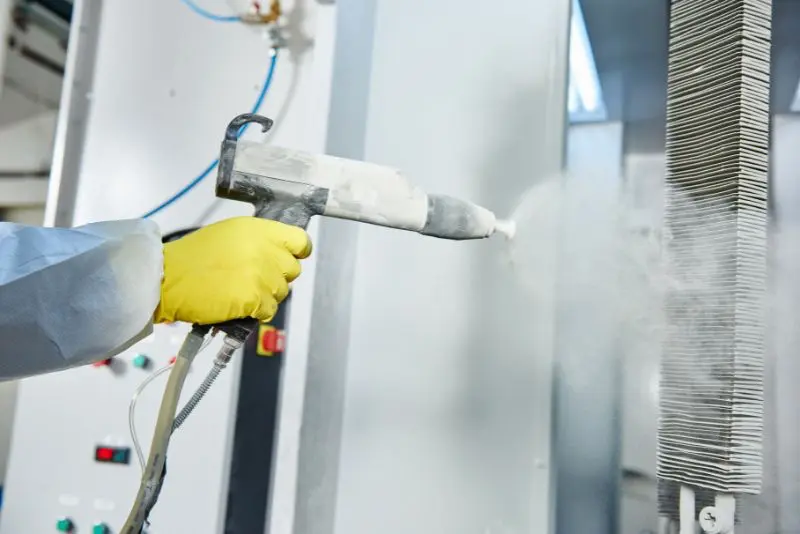
Nickel sulfamate (CAS 13770-89-3) is a nickel salt of sulfamic acid used primarily as an electrolyte source in electroplating and electroforming operations. It delivers high-purity nickel deposits with low internal stress. This makes it the preferred nickel source where dimensional accuracy and deposit integrity are critical. In electroforming, nickel sulfamate baths produce thick, stress-free nickel shells used to manufacture molds.
These shells are essential for stampers for optical discs and precision aerospace components. Decorative and functional nickel plating operations use it to achieve smooth, ductile coatings on automotive parts. It is also widely utilized for electronics connectors and industrial hardware. In the mining sector, it is used in hydrometallurgical refining processes where controlled nickel deposition is required for efficiency.
Metalworking fluids and specialty lubricant formulations incorporate the chemical as a corrosion inhibitor. This helps to protect ferrous and non-ferrous metal surfaces during various industrial processing stages. Nickel sulfamate is supplied as an aqueous solution, typically at concentrations of 300 to 600 g/L, and as a crystalline solid. Technical grade is the standard commercial form for plating and industrial applications.
Specifications are generally aligned with electroplating industry standards. Purity and trace metal content remain the primary quality parameters that professional buyers evaluate during the procurement process.
Other Names (Synonyms)
nickel bis(sulfamidate)|Nickel(II) sulfamate|nickel(2+) disulfamate|Sulfamic acid, nickel(2+) salt (2:1)|AI3-18003|Nickel sulfamate (Ni(SO3NH2)2)|Nickel sulfamate (Ni(H2NSO3)2)|Aeronikl 250
Key Technical Features
- High Purity Grade standard
- Consistent Batch Quality
- Full Regulatory & REACH Support
- Global Logistics Network enabled