
















Sodium diethyldithiocarbamate
Description
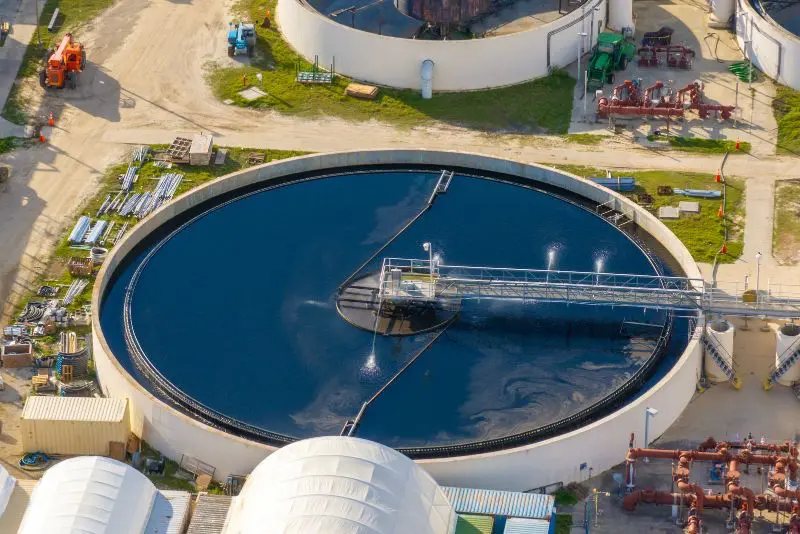
Sodium diethyldithiocarbamate (CAS 148-18-5) is a metal chelating and complexing agent used across water treatment, agriculture, and pharmaceutical manufacturing. It binds heavy metal ions with high selectivity, enabling their removal, detection, or controlled use in catalytic systems. In industrial water treatment, this compound precipitates heavy metals such as copper, nickel, and lead from effluent streams, supporting compliance with discharge limits. Agricultural formulators use it as a precursor or stabilizer in dithiocarbamate-based fungicide systems.
These systems target soil-borne and foliar pathogens effectively. In catalyst preparation, it functions as a metal-complexing ligand to produce well-defined metal sulfide catalysts and nanoparticle precursors for research and specialty chemical production. Pharmaceutical and biotechnology applications include its use as a chelating reference compound in metal ion studies. It also serves as an active component in experimental antidote formulations for specialized medical research and development.
The product is supplied as a white to off-white crystalline powder or as an aqueous solution, depending on the application and supplier. Standard grades include technical and reagent-grade specifications for various industrial needs. High-purity grades are available for pharmaceutical and analytical use, often meeting ACS or USP standards. Packaging ranges from laboratory quantities to bulk industrial supply to meet diverse customer requirements.
Other Names (Synonyms)
Ditiocarb sodium|Sodium N,N-diethyldithiocarbamate|Sodium diethylcarbamodithioate|Thiocarb|Imuthiol|DeDTC|Ditiocarbe sodique|Carbamodithioic acid, N,N-diethyl-, sodium salt (1:1)|DDTC
Key Technical Features
- High Purity Grade standard
- Consistent Batch Quality
- Full Regulatory & REACH Support
- Global Logistics Network enabled